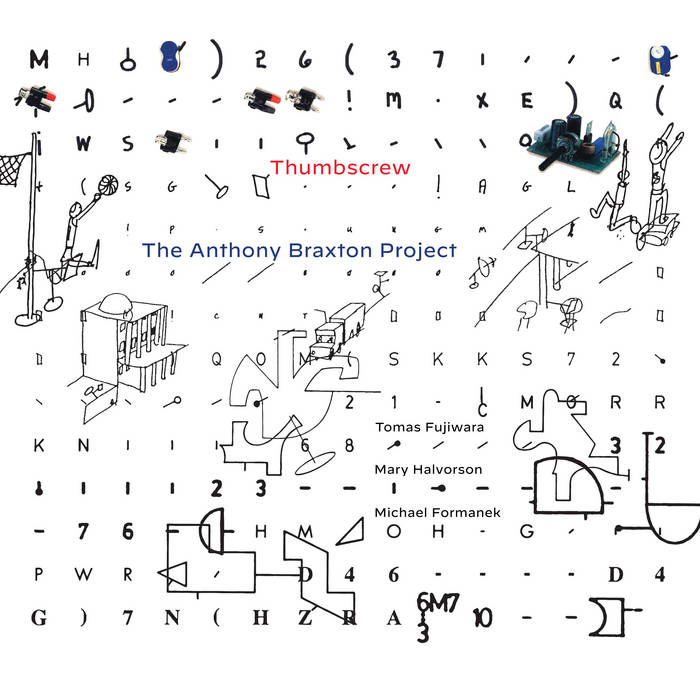
Recorded Music: The Anthony Braxton Project by Thumbscrew
I’ve been thinking a lot about teachers and passing music down. There’s magic in folks removed from the source remaking material and finding their way, but there’s something special about people who have played with and studied with a composer. There’s no greater living American composer than Anthony Braxton – and precious few even in the same league – and his ensembles and classrooms gave legions of the finest genre-bending musicians to the new music scene.
My favorite of the tributes in time for his 75th birthday is this concise look at rarities from the Braxton book by Thumbscrew, a collective trio balancing sharp originals with a keen command on jazz history, featuring two members who worked directly with Braxton (Mary Halvorson on guitar and Tomas Fujiwara on drums and vibes) and Michael Formanek on bass.
Only two tracks on this project – honed in a residency at Pittsburgh art space City of Asylum – break the seven-minute mark and they cram twists, turns, and an almost overwhelming sense of delight into that space. “Composition No. 68” features thick, juicy arco playing from Formanek while Fujiwara’s high-wire vibes spark off Halvorson’s flurry of barbed guitar. “Composition No. 35” also stakes out space for the vibraphone, especially in a joyous cat-and-mouse intro.
Throughout, Thumbscrew highlights Braxton’s approachability, his sense of infectious melody, without ever dumbing down or selling out his idiosyncratic vocabulary. “Composition No. 14” threads the record as a solo showcase for each player. “Guitar” projects a wide-screen constellation of Halvorson’s signature melodic string-bending. “Drums” leans into Fujiwara’s sense of understated drama, drenched in an almost symphonic mood. “Bass” showcases Formanek’s sense of space and texture.
It’s hard to go wrong with The Anthony Braxton Project as an introduction to either Thumbscrew or Braxton’s compositions. It’s my favorite thing to write to for the couple weeks it’s been out, and it works beautifully on an intellectual and visceral level.
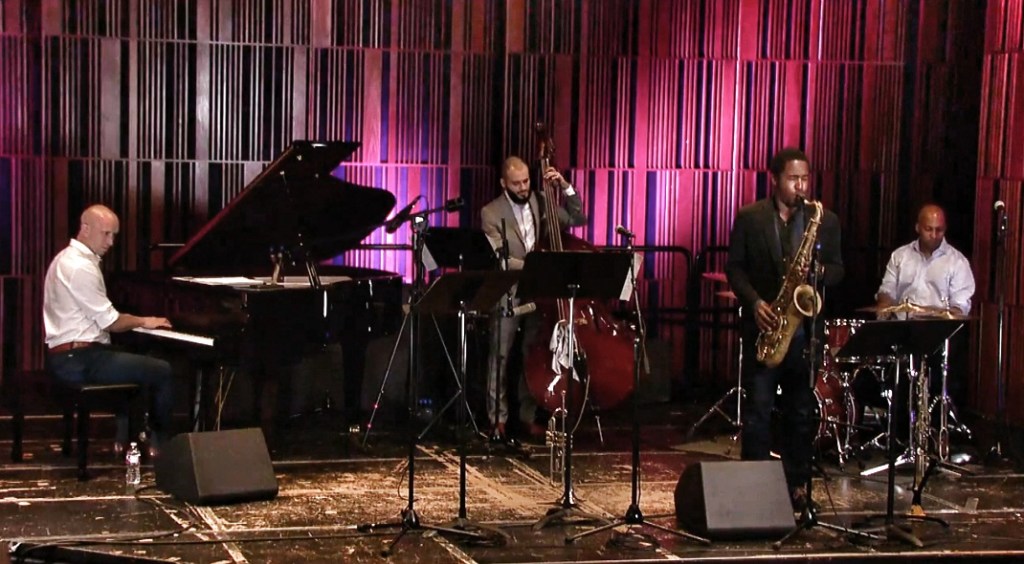
Live Music: The Adonis Rose Sextet, presented by the New Orleans Jazz Museum and Jazz at Lincoln Center.
At the end of a long workday – I was logged back in at 6:30 pm when they started and went well past their hour set – this unknown-to-me band was the perfect, refreshing tonic. Loose-limbed, intense classic hard bop led by Rose’s exciting, suspenseful drumming. They covered classic repertoire (including a burning take on Horace Silver’s Jazz Messengers classic “Ecaroh”) with a singular focus and passion, mastering the balancing act this mid-century American music requires to breathe and live: a fine-tuned interlocking machine of love for the world.
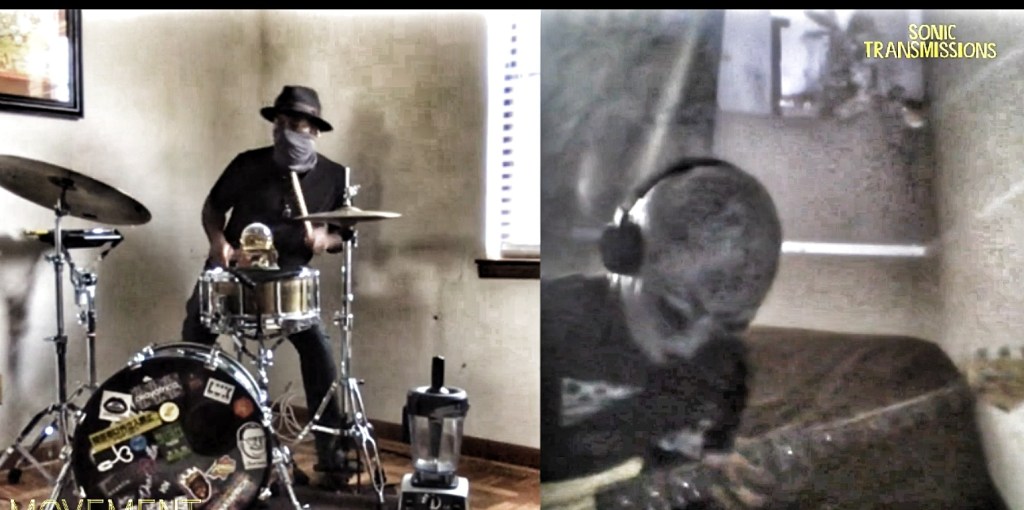
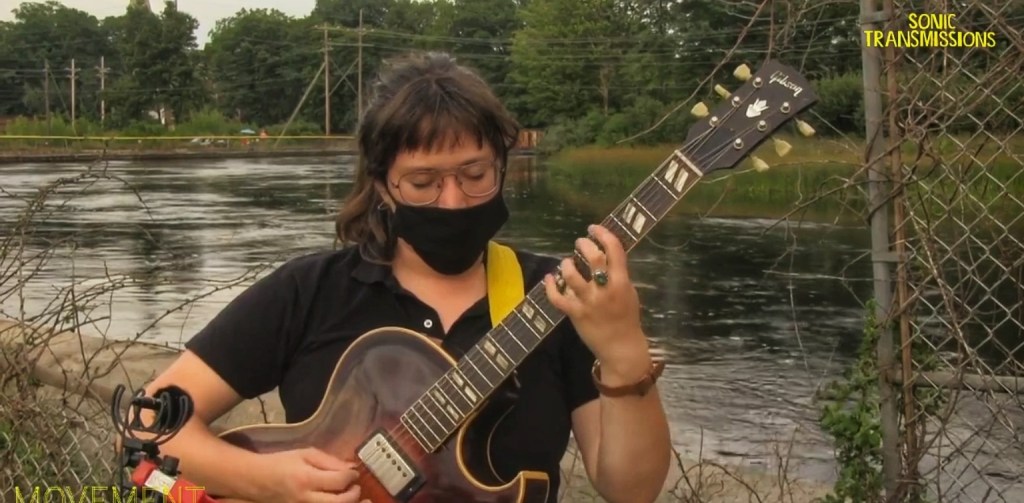
Live Music: Movement In Stasis, Day 2, presented by Experimental Sound Studios and Sonic Transmissions Fest.
Experimental Sound Studios, already one of Chicago’s treasures, has filled a much-needed niche in these COVID times by providing a steady streaming home for experimental music of all stripes, often teaming with other players in the scene like Ken Vandermark or Corbett V. Dempsey gallery.
This collaboration with Austin festival Sonic Transmissions Fest single-handedly justified my (scheduled earlier) mental health day from work. I caught three sets (out of four, I sadly missed Mars Williams).
Ingrid Laubrock and Tom Rainey, broadcasting from their home, showed off the continuous refinement of their unique language and telepathy. The first piece, with Laubrock on tenor, danced through growling almost-R&B, nudged by Rainey’s jostling, lively drum part then dropping out for Laubrock to lean into almost Brotzmann-esque stuttering and disruption of the gorgeous melody. The latter piece with soprano used instrument’s vocal textures to devastating effect with Laubrock’s unmistakable tone, Rainey’s drums almost acting as hypeman and instigator.
Wendy Eisenberg played an undulating solo electric guitar piece with a subtle rhythm track by the reservoir she stood next to. Glowing crystalline cells of melody stuck in my blood, then dissipated into a foam of something confounding and even more beautiful. Eisenberg built this piece on the glory of disjunction, on the surprise and delight of nature and humanity, and reminded me what keeps me hungry for new music.
Blacks’ Myths, the DC duo comprising Luke Stewart on bass and Warren G. “Trae” Crudup III on drums, streamed an intense, enticing duet from their respective homes. Painting surreal landscapes with the colors of a traditional rhythm section, their set was as surprising as it was deep. In Crudup’s hands, rolls and ride time exploded into flurries reminiscent of Sunny Murray, Stewart used string noise and mutes to create a rich negative space and long, organ-like tones of distortion to provide narrative propulsion.
 Screen of Distance