Categories
"Hey, Fred!" live music

Things I’ve Been Digging – 11/30/2020

The weirdness continued unabated in this season with distant Thanksgiving – which itself has problems, like everything in American society birthed in blood and torture and the positive feelings we’ve imbued it with come partially despite that history and partially resting on the pedestal of it – but I found things to love and hope you did too.

Probably the last of these for a while; my plan for the next four weeks is to put up my best of the year posts.
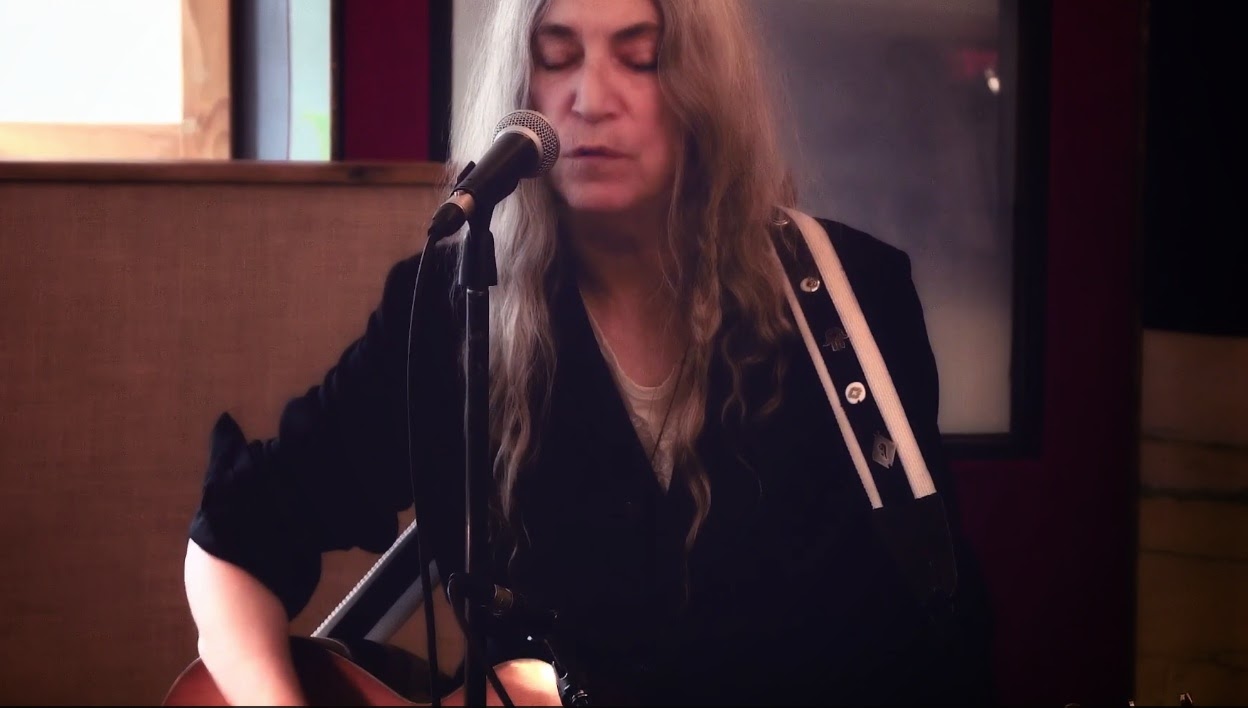
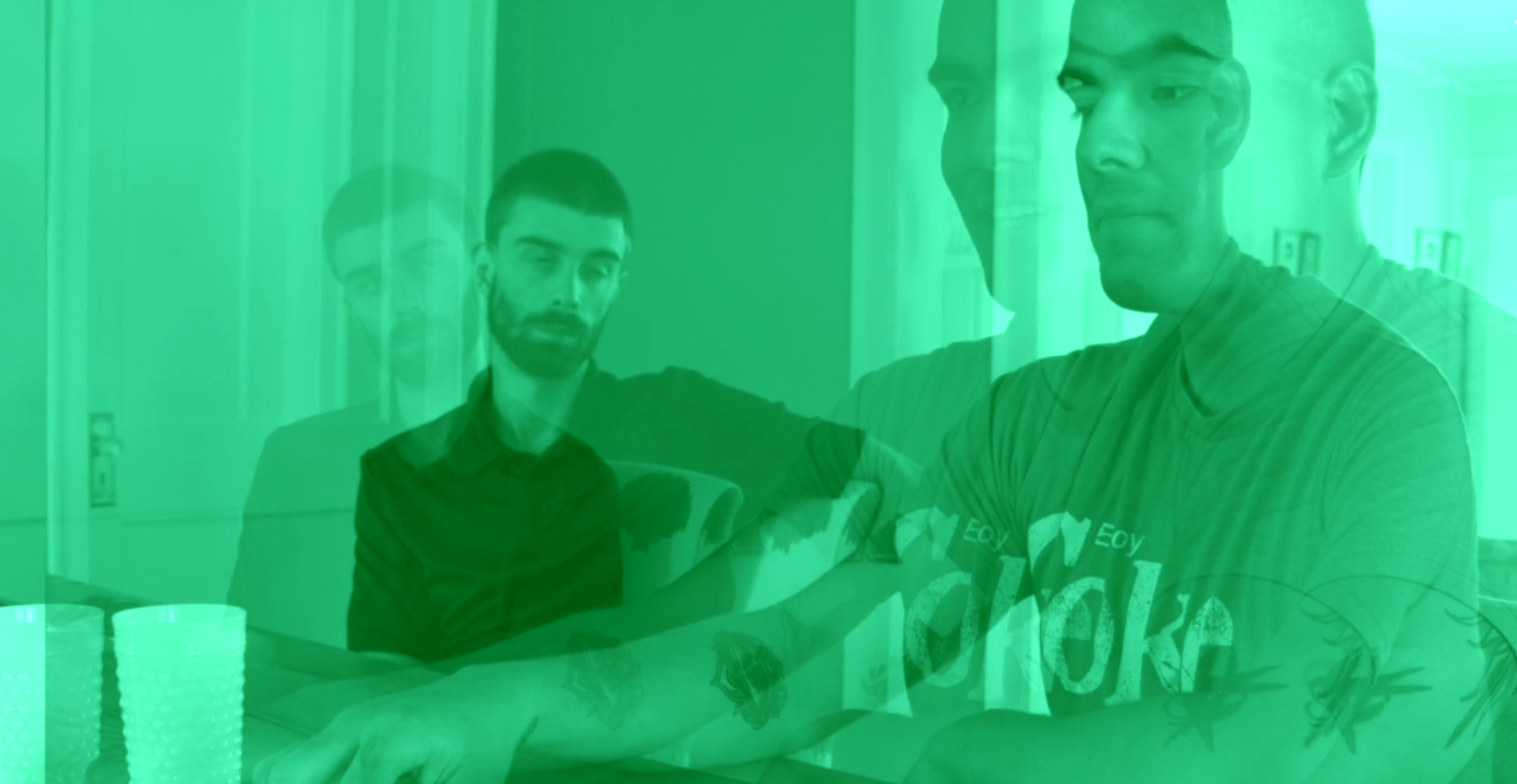
Patti Smith, taken from stream and edited

Music: Patti Smith, presented by Fans.

Weeks from the 45th anniversary of her landmark record that broke so much open for so many of us, Smith reminded me of her unique blend of the intimate and the expansive and took me to the church I desperately needed.

Accompanied by long-time collaborator Tony Shanahan and her daughter Jesse Paris Smith, Smith led us on an hour trip through highlights of her catalog, including readings of a new piece and a delightful chunk of Year of the Monkey, and one cover, a beautiful read of Neil Young’s “After the Gold Rush” (with a nod to its own 50th anniversary and Young’s 75th birthday) that highlighted its fragility.

Smith found new contours, new crevices between the notes, new facets to shine her light of today through on songs she’s played thousands of times. “Dancing Barefoot,” dedicated “to the women” crackled with benediction and absolution; “Pissing In a River” circled its prey, building up to the incandescent flare-ups of “Come on, come on” and “What about it?”

The opening “Grateful” from maybe my favorite of her records, Gung Ho, set the tone – “Ours is just another skin that simply slips away” for a sunny afternoon of true gratitude, radical acceptance and taking stock, without blindness. That song faded into the righteous incantation: “Throw off your stupid cloak; embrace all you fear. For joy will conquer all despair in my Blakean year.”

She introduced “Southern Cross” with “This is a song about remembrance; it’s a song about life, really,” and more than anything else, this set reminded me that all remembrance can be, should be, must be, a celebration of life.
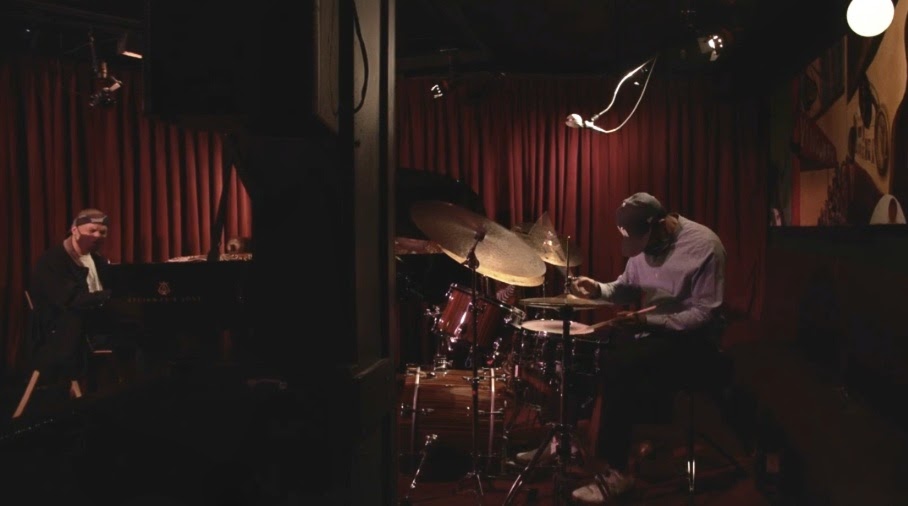
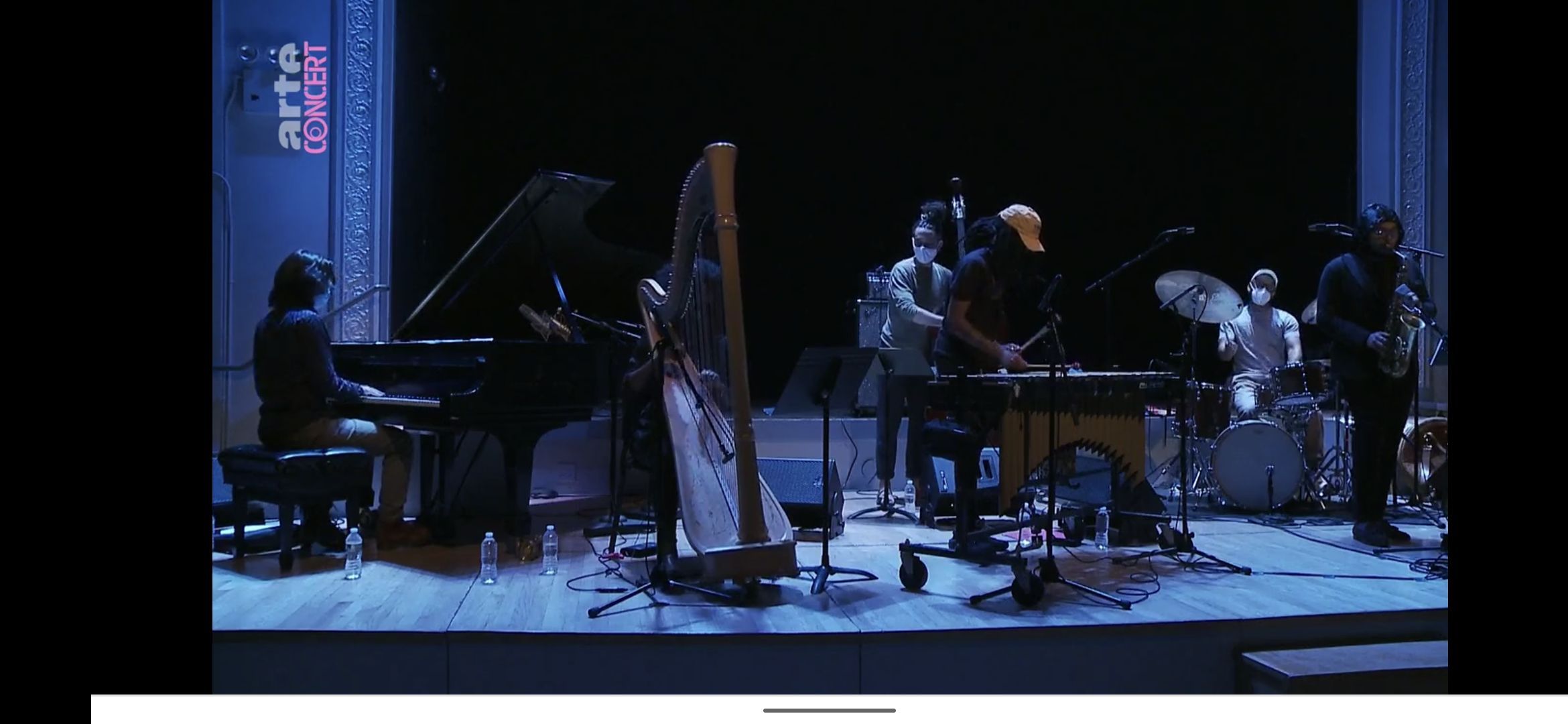
Music: Jason Moran’s Bandwagon at the Village Vanguard.

I’ve never been in NYC around Thanksgiving – not a parade guy – but I’ve always been jealous of many traditions for the locals, including that full week stand of the Bandwagon at the Vanguard. 

There are a handful of shows that burn into my memory and I still recall with surprising clarity Jason Moran on piano, with Nasheet Waits on drums, and Tarus Mateen on bass, blowing the top of my head off at the Wexner Center in 2003. With no exaggeration, those 90 minutes blew open what I thought jazz could be, it expanded my parameters for thinking about music. I was vibrating with excitement when I walked in – having been a fan of the records for several years – and I could barely hold my molecules in one gravitation field after.

In the ensuing 17 years, I’ve seen all three of them multiple times – Winter Jazzfest and Big Ears, back at the Wex and late night at Jazz Standard – but never quite managed to catch another trio set. So even through a screen from miles away, I almost cried.

This was the music of conversation, argument, emphatic declaration, at the highest possible standard. Jittery, powerful abstractions melted into standards like “Body and Soul.” They paid tribute to the legendary Geri Allen with one of her classics “Feed The Fire” and they tore into a greasy honky-tonk stomp. This was the kind of music that made the world make more sense and made gratitude swell up in me.

Music: Maria Schneider’s Orchestra at the Jazz Standard.

Another of those legendary jazz Thanksgiving traditions is the great Maria Schneider leading her Orchestra at Jazz Standard. This would have been her 16th year on this week at the Standard, and with possibly her best record Data Lords released so recently, I’m overjoyed she found a way to mark the occasion.

She put together a limited run stream of clips of her band from the past couple years – including trying out some of the dark, knotty Data Lords pieces like “CQ CQ, Is Anybody There?” – outtakes from the studio sessions, and a Zoom conversation capturing a little bit of the all-important “hang” that happens whenever that many musicians gather.

Like the Moran, I almost cried a few times. These perfect solos rising out of this massive, inviting but awe-inspiring architecture. The band breathing as one and fragmenting into the night’s sky or a city street.
Categories
"Hey, Fred!" live music theatre

Things I’ve Been Digging – 11/23/2020

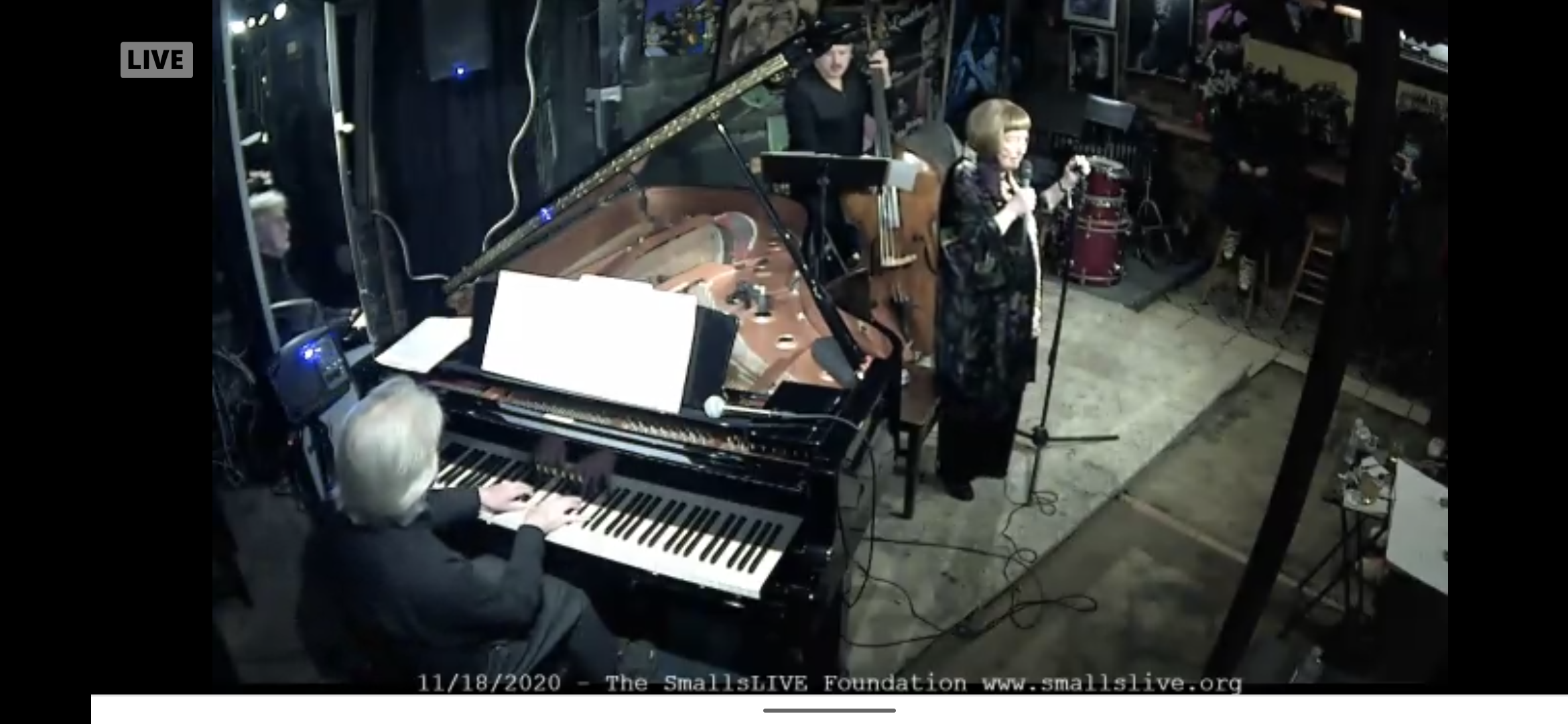
From left: Alan Broadbent, Sheila Jordan, Harvie S. Taken from stream and edited

Music: Sheila Jordan Trio at Smalls Live

I’ve waxed rhapsodic here about Smalls constant creativity and persistence to bring musicians together to play. In the last few weeks, they’ve carefully and strategically brought in small audiences and I almost wept hearing – from my kitchen, many miles away, missing New York in a week where Timehop reminds me I was at least three of the last six years – the great Sheila Jordan celebrate her 92nd birthday in this storied club.

A direct line to Charlie Parker, Lennie Tristano, and Charles Mingus – one of few left – Jordan took us to school with this survey of the great American songbook and this reminder of the glory of following one’s interests, wherever they land. 

Backed by her longtime bassist Harvie S and New Zealand native Alan Broadbent, two of the most sympathetic vocal-accompanists alive, she reminded us how ineffable, fleeting, and indelible beauty can be in song. Definitive, forged in years of experience, versions of “Autumn in New York” and “I Concentrate on You” were highlights in this delightful rain of gems.

Theater: </remnant> by Theatre Mitu, directed by Rubén Polendo.

What’s memory mean to us? How do we piece these fragments together? Where does religion fit? How do we survive war? How do we stay connected with ourselves and a collective humanity? Cacophonies of voices and images fracture and coalesce in Theatre Mitu’s </remnant>, presented with New York Theatre Workshop, burning fragments into my brain.

This riveting exploration of memory – including memory as a feeding trough for trauma and the evolution of PTSD over the last century-plus set a high bar for these new digital hybrids that still felt like theater, that I was in the dark with other people even if I couldn’t see them, and with the fiery immediacy of something happening now even with the degree of editing and post-production visible.

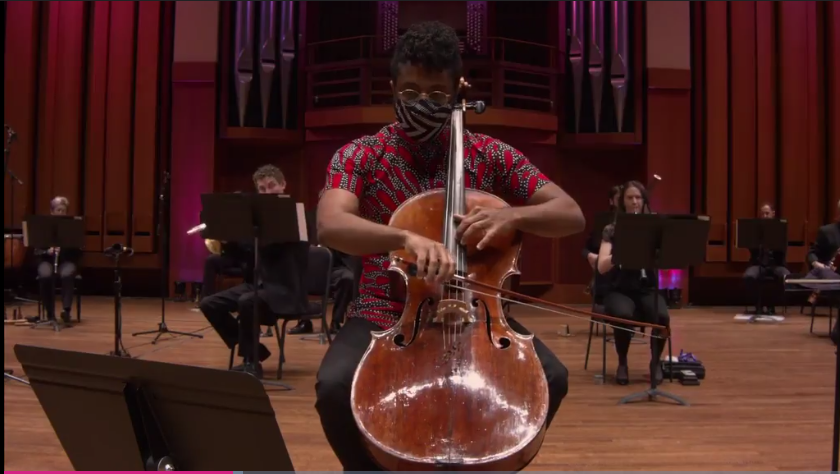
Seth Parker-Woods (foreground) with members of Seattle Symphony. Taken from livestream and edited

Music: For Roscoe Mitchell by Tyshawn Sorey, performed by Seth Parker-Woods and Seattle Symphony Orchestra.

Anyone with evening a passing glimpse of my taste over the years knows I’m an unabashed admirer of Tyshawn Sorey’s work as a drummer and composer. He continues a streak of astonishing large-format pieces with an astonishing cello concerto, For Roscoe Mitchell, performed by the Seattle Symphony.

The dazzling piece conjured Mitchell’s luminescent compositions without using any of his moves directly. Played beautifully by the orchestra and soloist Parker-Woods under the baton of David Robertson, I don’t even have words for how grateful I am for this remarkable series from Seattle Symphony in these trying times.

Categories
"Hey, Fred!" dance theatre

Things I’ve Been Digging – 11/16/2020

Russan Troll Farm – From Upper Left, Haskell King, Ian Lassiter, Greg Keller, Danielle Slavick. Provided by TheatreWorks Hartford on their site.

Theater: Russian Troll Farm by Sarah Gancher, directed by Jared Mezzocchi and Elizabeth Williamson, presented by Theatreworks Hartford and TheatreSquared in association with The Civilians.

I still miss being in a theater, crammed around my fellow audience members, breathing as one, with an uncommon fire. But watching theatre artists – new jacks and veterans alike – mold today’s tools and limitations into beautiful things that feel like theater even split over different rooms. 

I saw one of my favorite examples of this 2020 alchemy this weekend. Long-standing champions of the new The Civilians teamed up with Fayetteville, Arkansas’ TheatreSquared, and Connecticut’s Theatreworks Hartford for a dazzling, incendiary romp through Sarah Gancher’s Russian Troll Farm.

Subtitled “A Workplace Comedy,” the play zooms in on a St Petersburg office to follow a team of trolls sowing discontent and confusion among Americans through Twitter. Former journalist Masha (Danielle Slavick) joins the established dynamic of laser-focused Egor (Haskell King), stunted throwback Steve (Ian Lassiter), and erstwhile artist Nikolai (Greg Keller), in the shadow of the manager: Soviet throwback Ljuba (Mia Katigbak). 

Gancher understands this low-level almost-tech job’s dynamics: the infighting, the jokes, the sourness, and sweetness. A vibrant scene of intense, flirtatious volleying between Slavick and Keller captures the adrenaline of being good at something, even something that feels both futile (from the inside) and evil (for those of us looking in), and Russian Troll Farm is littered with scenes this good. 

Gancher and her cast understand how similar the American and Russian psyches are but filter the characters through their environment’s specifics. Lassiter – recently very good in Gold’s uneven King Lear – has a ball playing the lusty, coarse Steve, bouncing off Slavick’s Masha and King’s brilliant, understated Egor. They create a world that feels like those little rooms for those of us who’ve done call center work or similar and makes us question how much of what we did for those hours and those years was just as morally questionable.

Directors Jared Mezzocchi and Elizabeth Williamson found ways to impose their stellar cast on one another with trickery that doesn’t lose its amateurish afterbirth completely but uses the seams we can see to its advantage. When Katigbak, in a heartbreaking soliloquy, says, “Are you even here? You’re the relic of a dying empire, the ghost of a glorious future that never came,” it snaps into sharp focus that we’ve been seeing ghosts all this time.

Russian Troll Farm was a triumph I’ll be thinking about for a very long time.

Bill Chats: Screenshot taken from livestream

Talk: Bill Chats – The Future is Present: A Casting The Vote Project. Bill T. Jones in conversation with Charlotte Brathwaite, Janani Balasubramanian, Justin Hicks, and Sunder Ganglani.

Bill T. Jones, through his New York Live Arts in association with Bard University, hosted a delightful, recharging conversation with four of the people behind The Future Is Present, a group running workshops at the intersection of performance and collective action.

It’s invigorating watching these ideas of what an artist means or even can mean bounce between people of color who came up in wildly different scenes, at different levels of outward acclaim and success. Jones said, “When I started in the art world, they said, ‘You wanna make art, make art. You want to do politics, do politics.’ And I thought the we was political…Trying to get to a ‘we’, many artists head for the door when that happens. An artist is trying to close the gap between this internal space here and the rest of the universe, and an artist finds a language, a form that lets them do that.”

That resonated deeply with me, who grew up steeped in the kind of late modernism Jones helped define before me, but I was enraptured by the way the younger people he’s talking to centered other people in the lens of their own languages. For instance, Justin Hicks said, “Even transcribing what [young people] want changed the ‘we’. I know lots of artists who don’t trouble themselves with the questions I do,” and “The concept of potential is much more important to us than certainty.”

After Jones posted the question “What are your dreams” to the panel, Sunder Ganglani said, “It’s not easy to imagine one’s self into a world in which you want to live. We have hopes, though,” and Janani Balasubramanian riposted, “You asked that question about certainty – I don’t think this project hinges on certainty, it’s actually present with discomfort, difficulty, and experimentation which is being cleared away in our society, through science, through catastrophe, through violence. In that space of clearing is a process of collective experimentation: sometimes difficult, sometimes joyful, sometimes both. I want to get to a place where people can verb it. Can ‘future’.”

Watching this clear-eyed group articulate a future worth fighting for and creating, while acknowledging the ambiguity it comes with, gave me more hope than anything I’ve seen, read, or heard, in quite a while. As Balasubramanian said, “Future making is about speculation but also about closing that gap between what’s speculative and what’s material – if we’re demanding something of the future, we’re demanding it of the present…Young people don’t need our encouragement for world-building.”

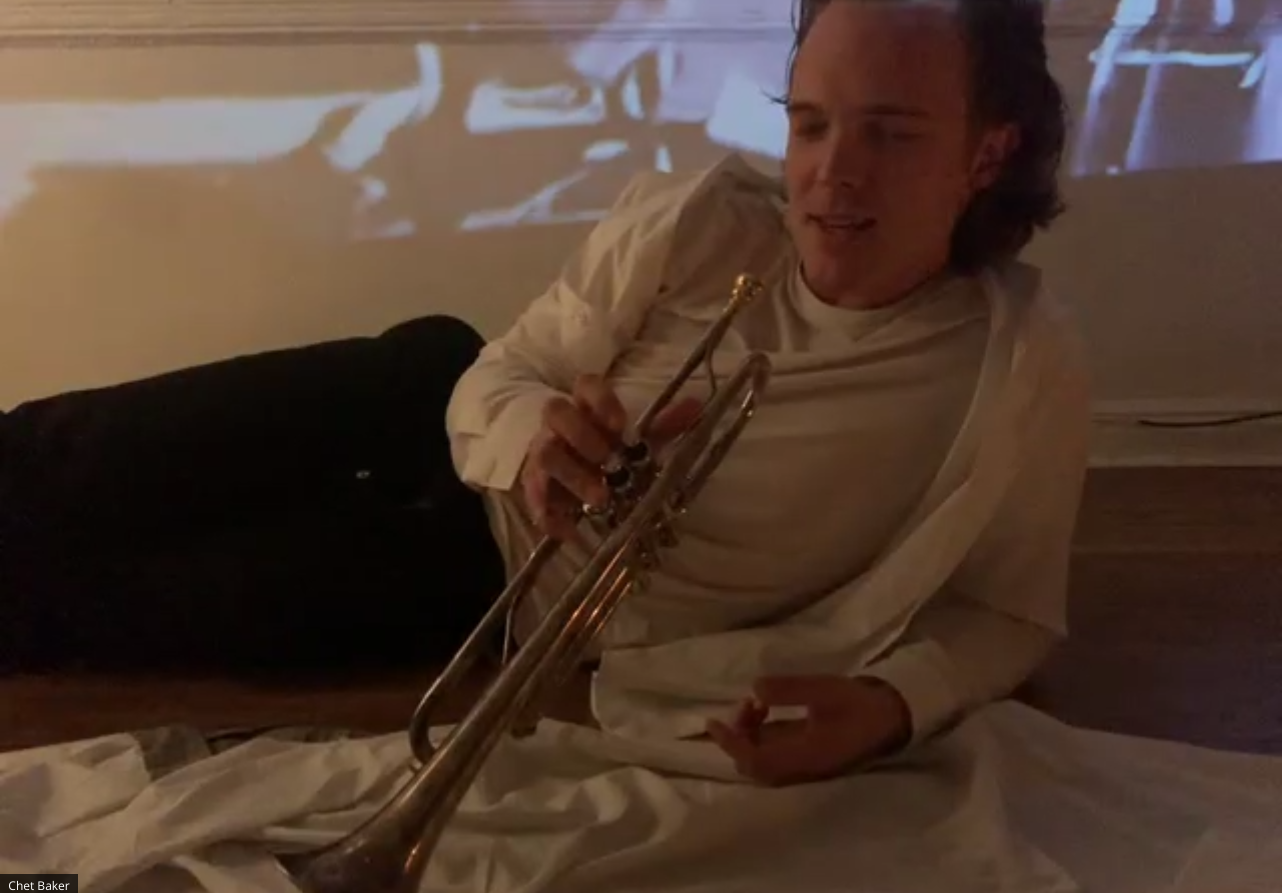
Theater: The Self-Combustion of a 30-Something-Year-Old Chet or, Icarus Tries to Catch the Sun by Keenan Tyler Oliphant, presented by New Ohio Theatre

Oliphant uses the raw material we all know about beautiful and damned Chet Baker and gives it new, molten life with Nicholas McGovern as the seductive wreck in a tiny apartment, old film clips playing on the wall like memories written on skin.

McGovern brings this his utter, unshakable commitment in the life Baker committed himself to, his ability to see magic where it confronted him – a gorgeous reverie about Charlie Parker “rising above us on corrupted wings,” snatches of songs – and his role as a self-identified truth-teller. His Baker is deep in the throes of “poetic self-destruction,” there to “remind [the audience] what it’s like to be awake.”

Somehow, in the crucible of this Zoom so intimate it’s like we’re eavesdropping these words distill into a hard crystal as the liquid boils off and they snap with the hard, sweet rhythm they need – with invaluable assistance from Jacob Robinson’s sound design. The text grows so large and thin we can see through it to the desire behind the words we’ve all heard too many times; the desire that’s all that matters here.

In lesser hands, this raving, this disappearing-ink last testament, could have been laughable, a plywood cartoon. But here it felt like that perfect tune on the jukebox as you order that one last drink you know you shouldn’t have.

Categories
"Hey, Fred!" live music

Things I’ve Been Digging – 11/09/2020

Celebratory French 75s in the Saturday sun

Some deeply needed good news came out on Saturday and there wasn’t much better than playing classic Kenny Gamble, Spinners, Funkadelic, and Dirtbombs off our porch, bouncing between the sunlight and the champagne and friends. I hope we all remember the lesson that this success isn’t it and we keep working, but part of that work is rest and celebration. I found some art to love in that uncertainty before the news.

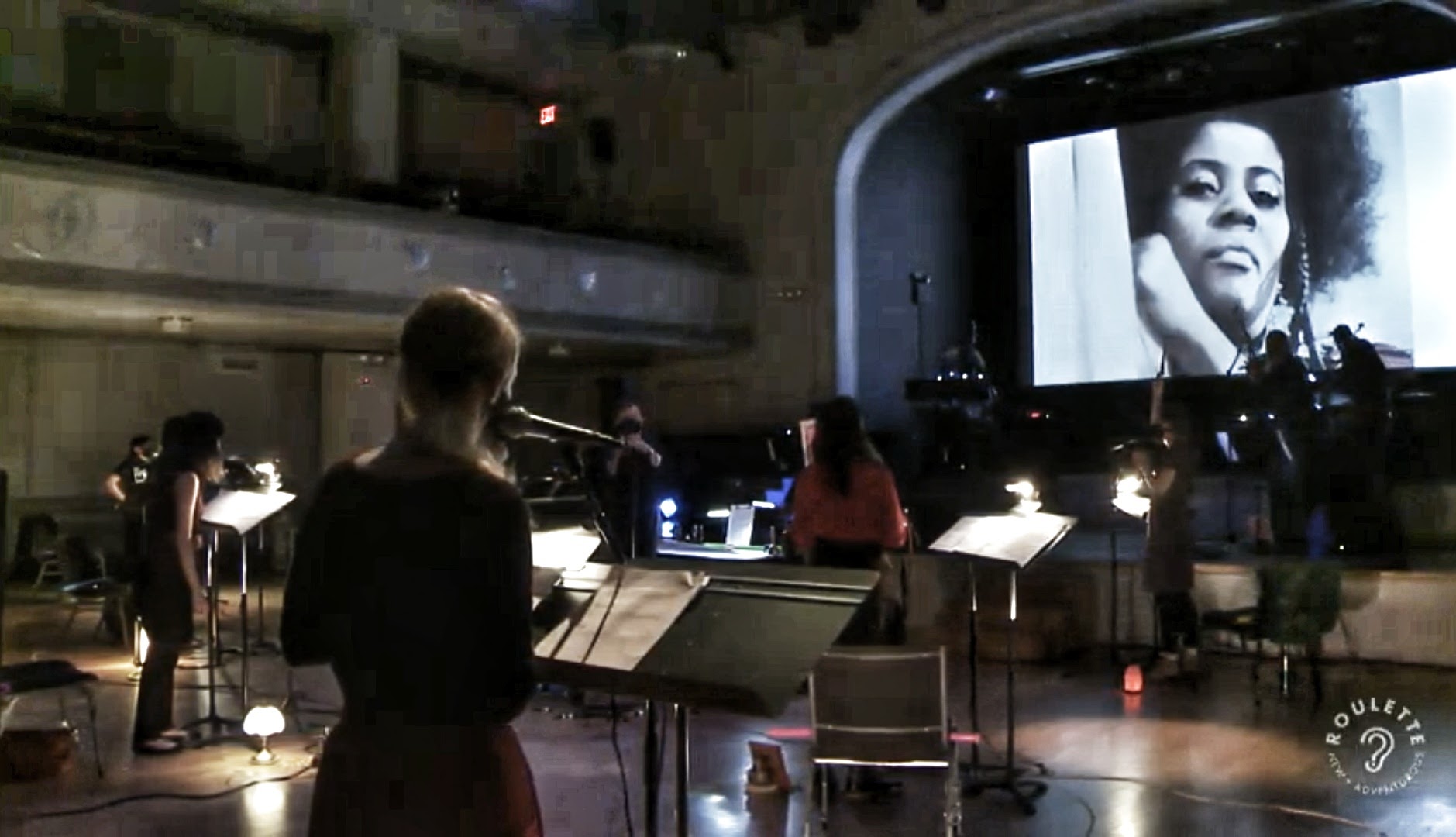
Darius Jones and band with singers and conductor at Roulette, taken from stream and edited

Music: Darius Jones: We Can Change This Country! presented by Roulette

In a time of perpetually scattered attention, I needed Darius Jones’ sweeping composition broadcast from one of the temples to new music that’s helped ground my life: Roulette from NYC. 

Inspired by the James Baldwin essay of the same name, Jones assembled a riveting quartet of Cooper-Moore on flute and banjo, Tanya Kalmanovitch on violin, Sean Conley on bass, and Gerald Cleaver on drums, and a who’s who of the best vocalists working in jazz, new music, and the avant-garde today: Gelsey Bell, Amanda Ekery, Jean Carla Rodea, Sara Serpa, Amirtha Kidambi, Yoon Sun Choi, Aviva Jaye, Charlotte Mundy, Fay Victor, Stephanie Lamprea, with heartbreaking film work from Laura Sofia Perez, under the baton of Darcy James Argue (whose sadly-even-more-relevant Real Enemies got a brilliant digital makeover from Cal Performances last month).

Darius Jones and his players/singers meet our tumultuous times with a steely gaze and a combined intensity and integrity. Wisps of shadowy flute melody and skittering drums surf on and get subsumed by wordless vocals, chilling laughter and sheep noises. Collaged snatches of dialogue reminded me of Rauschenberg and Nina Chanel Abney. 

We Can Change This Country! honors the Baldwin essay as a furious representation of a specific, unapologetic point of view, but avoiding the artless reportage that kind of polemic can get mired in. Jones uses all of his power as one of our finest composers and reed players to sculpt with the fire we’re living in and the fire it inspires inside him.

Jones moved me to tears when these voices, all held to the light with their distinctive facets and juxtaposed without smoothing the transitions, rose together on chants (most prominently “Vote him out”). More than any specific message – though the message is clear – that power when we rise together resonated through the bones of this piece and the blood of its viewers. I’m still unpacking this monumental work but it’s one of the finest things I’ve seen in years.

Mic Harrison and Don Coffey Jr, taken from the stream and edited

Music: Mic Harrison and the High Score at the Bijou Theatre

Friday night found me in touch with one of my favorite singer-songwriters in one of my favorite rooms. Anne said, as we were watching, that Mic Harrison is the perfect example of why someone would be in a scene. A vital utility player who stepped into two legendary Knoxville bands: classic alt.country unit The V-Roys (as they transitioned away from being The Viceroys) and powerpop juggernauts Superdrag, for the last 15 years Harrison has put out one classic, crisp record as a leader after another. 

Harrison’s properly celebrated his latest, Bright Spot, in this 100-year-old theater with a barbed-wire-tight version of The High Score including his Superdrag collaborator Don Coffey Jr on drums, for a stream that sounded as good as I’ve heard that room sound and I’ve been in every corner for most of my favorite Big Ears Festival performances. 

Harrison and the High Score doled out meaty, lithe roots-rock featuring some of the biggest hooks Harrison has ever written – the gang chorus on “Used to Be Somebody” was an arrow struck right into my chest – and soulful slow burns like the aching “Back to Knoxville.” He also took time to highlight songs by guitarists Robbie Trosper and Kevin Abernathy. 

By the time they slid into the encore with Harrison’s classic The V-Roys Beatles homage “Sooner or Later,” there were tears in my eyes.

Joel Ross and band, taken from livestream and edited.

Music: Joel Ross’ Good Vibes at Berlin Jazzfest

Joel Ross is killing it this year: he released one of my favorite jazz records, in a crowded field, earlier this fall; he was a highlight in the mind-blowing Makaya McCraven show I was lucky enough to see at Webster Hall in January; he’s brightening so many other artists’ work. 

While it’s never the same as being in the room, Berlin Jazzfest did a spectacular job partnering with Roulette (mentioned above) for paired sets from both shores. Ross and his band wove intricate magic, undulating conversations, burning dialogue and cut-crystal ballads, tossing between the immaculate melodic bass lines of Kanoa Mendenhall through the intertwined lines of Ross’ vibes and Jeremy Cohen’s piano into Brandee Younger’s harp, Immanuel Wilkins’ alto and Jeremy Dutton’s gravitational pull drums. This was the perfect thing for me to hear right before the election got called.

Categories
"Hey, Fred!" live music theatre

Things I’ve Been Digging – 11/02/2020

Backyard Firepit with friends

Had a harder time connecting and concentrating this week, but some time with friends helped and I still found a few unalloyed joys.

Death of the Last Black Man in the Whole Entire World, promotional photo from Signature Theatre’s website

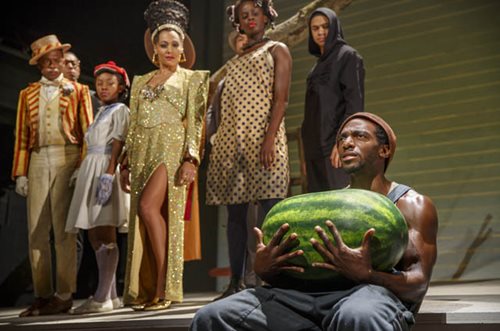
Theater: The Death of the Last Black Man in the Whole Entire World aka The Negro Book of the Dead by Suzan-Lori Parks, directed by Lileana Blain-Cruz reunion reading presented by Signature.

Suzan Lori-Parks was probably the first contemporary playwright I loved with the same fervor as the classics I grew up with. I read Topdog/Underdog at least a dozen times before getting my mind blown with CATCO’s visceral production in 2004 and I’ve been a rabid fan ever since. Most recently, I saw a riveting revival of her Death of the Last Black Man in 2016 right after the last election.

It gave me immense joy to revisit that work with a reunion of that cast under the same director, Liliena Blain-Cruz. Parks uses rich mythic language to revisit the death of the play’s eponymous black man, from different angles and with different emotional beats, and in doing so opens up and celebrates his life over and over again.

It felt as urgent in 2016 as it was when it premiered in 1990, and seeing it four years later with peril out in the open, shoved in the faces of those of us who might have had the luxury of looking away before, was a gorgeous volcano of our shared pain and joy.

Mountain Goats, screenshot taken from livestream and edited

Music: Mountain Goats, presented by Noonchorus

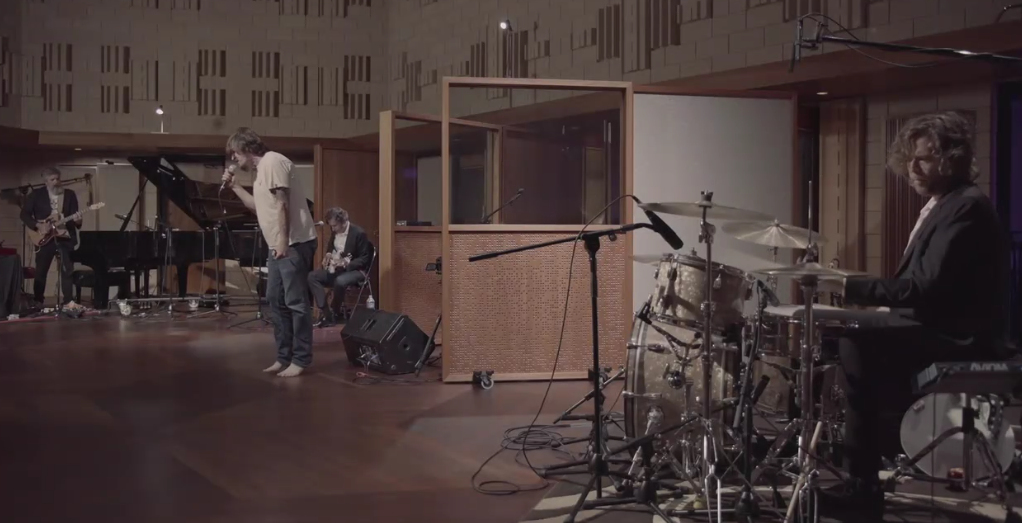
Both full-band streams – the second was Thursday the 29th – from a studio in North Carolina to celebrate the release of their excellent Getting Into Knives record find John Darnielle’s Mountain Goats continuing their hot streak creatively and releasing the pent-up energy we’re all feeling at not being able to live the life they’ve grown into.

That Faulkner line about the only subject worth writing is man in conflict with himself and Mary Oliver’s line about paying attention as our endless and proper work always come to mind when I think about the Mountain Goats. He melds those impulses together and finds, in that conflict, in that attention, a way to celebrate. 

Both shows hit the wild extremes of emotion Darnielle crafts so well, and his brilliant use of the push-and-pull of a set list. The first stream, on the 22nd, was riddled with highlights. He paired two songs off Transcendental Youth, the gut-punch of shame in “Cry For Judas” with that terrible ambiguity wrapped in a sunny singalong hook, “Long black night, morning frost – I’m still here but all is lost,” sets us up for the celebration and encouragement of “Amy aka Spent Gladiator 1”: “Find limits past the limits, jump in front of trains all day, and stay alive. Just stay alive.” 

The second was full of highlights – a simmering “Stabbed to Death Outside San Juan”, a joyous, raging “Foreign Object” but two moments near the middle of the set still haunt me a couple days later. The low-at-the-heels vignette “Lakeside View Apartments Suite” hit this perfect note of devastation in the synchronicity of text and singing with “Ray left a message thumbtacked to the door. I don’t even bother trying to read them anymore,” and then this pause weighed down with regret that’s as bleak and beautiful as the “Scuse me while I disappear” on Sinatra’s best version of “Angel Eyes” or the stutter into smoke on Basinski’s “Disintegration Loops”. Not long after that, on “International Small Arms Traffic Blues” he delivers “My love is like a powder keg” with no wink or any bravado, it’s the perfect distillation of a character with nothing left to lose or offer but an earnest truth.

The encores – if you can call them that here – both ended with the closest thing he’s produced to a hit, the perennial, everyone-finds-their-meaning perfection of “This Year.” The first show followed it with another classic climax, “No Children” with jokes from the band about how odd it is to play it without people screaming along “I hope you die, I hope we both die.” The latter went into the more subdued “Spent Gladiator 2,” about shrugging off the expectations of a life and learning to live with them, finding some last bit of defiance in the throes of exhaustion.

Categories
Playlist record reviews

Monthly Playlist – October 2020

Man, this was a great month for recordings. There’s also far more stuff that is a contender for my year end list that didn’t make this – my rule for instrumentals is they have to work with the larger song-based contexts, I’ll almost never drop a fifteen minute movement of an extended minimalist suite in here; it never feels like it works.

Like most autumns, I find myself drawn toward the reflective and the melancholy even a little more than usual. I tried to keep this from being monochromatic but time and you will tell. Thanks for listening. Continue reading for notes on each song.