Categories
live music theatre

Things I’ve Been Digging – August 3, 2020

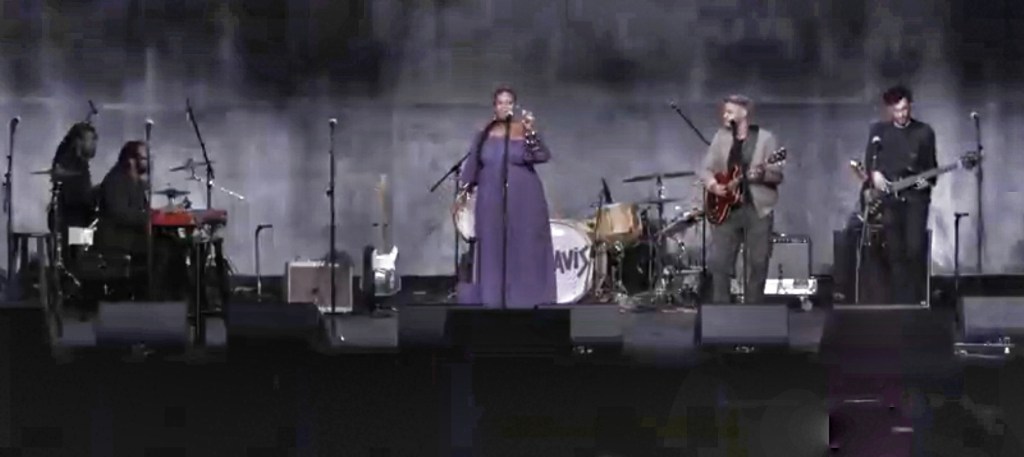
Deva Mahal and Son Little, Mavis 80, screenshot from broadcast

Music: Mavis 80, Mavis Staples’ 80th birthday celebration taped at the Ace Theater in LA and rebroadcast as a benefit for the Newport Folk Festival Foundation.

It’s hopelessly reductive to say any single voice is America but sometimes the temptation is irresistible. Since the 1960s, Mavis Staples has earned that voice if anyone has. Bringing gospel music into the contemporary world, enlivening rock and soul, and still making outstanding record after outstanding record, still hungry for the best new songs and the best players, she’s an inspiration on every level.

I got a lot of joy this weekend out of tuning into the Newport Folk Revival weekend streamed through WFUV (also giving me pandemic life with Binky Griptite’s Saturday slot), a perfect reminder of how great this institution has been for so many years and argument to archive everything.

I heard so much great stuff but the crown jewel was this rebroadcast of the third of Staples’ 80th birthday concerts, with a cross-section of great American voices approaching one of the finest canons in 20th century music with exactly the right amount of intensity, reverence, and play, and, course, even in such a stellar lineup – highlights for me included War and Treaty and Deva Mahal and Son Little – Mavis Staples wiped them all out of our minds within three notes.

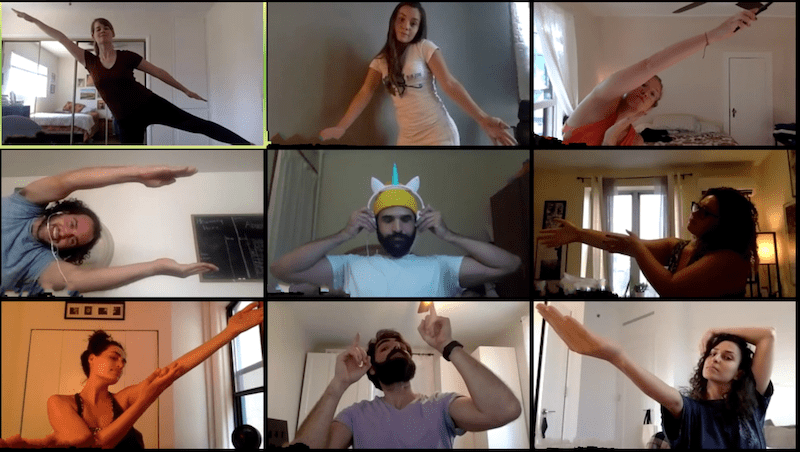
We Need Your Listening screenshot

Theater: We Need Your Listening by Velani Dibba, Ilana Khanin, Elizagrace Madrone, Stephen Charles Smith, presented by New Ohio Theatre as part of the Ice Factory Festival.

Despite the sudden proliferation of Zoom readings and similar real-time grappling with the question of how to make theater in our new time of plague and worry, this tribute to human connection and study in “radical listening” came the closest to delivering on the age-gifted new double meaning of Aretha’s late-period classic “Who’s Zoomin’ Who.”

They ushered each viewer from the digital waiting room that irritates most of us into breakout sessions – after time scanning the slightly shabby West Village space where the New Ohio recently moved (that made me extremely nostalgic). Unseen hands led us through a solo journey (represented in space by a tablet or computer) from one other computer to the next, featuring a member of the ensemble: Hilary Asare, Alex Bartner, ChiWen Chang, Sam Gonzalez, Alice Gorelick, Julia Greer, Nile Assata Harris, Annie Hoeg, Sam Im, Bri Woods.

That fantastic ensemble, for a couple minutes, interacted with me, the viewer, to a greater or lesser degree (most impressively, one woman played an abbreviated “20 Questions” with me) while muted. There are layers of discomfort in not being able to say your piece and a heavy re-figuring toward listening, absorbing what the person is staying that was difficult to adjust to (even for those of us who have exercises and think we’re better at it, this puts the lie to that – addressed to my fellow men, mostly, probably).

These snippets of conversations – some responding to the same prompt: were two different people meant to talk about the three memories they’d take to a desert island or did someone get confused on the order – are provoking in themselves, for me the character who had a family friend say, “The least we can do is show up.” at her father’s funeral, a delectation-soliloquy about favorite sounds, and a fantasia about “Doing a knife dance to Nina Simone’s ‘Take Care of Business For Me’” all hit me hard.

But these vignettes accumulate weight, like a combine, from the objects in immediate proximity. And that underlined how we all accumulate meaning and resonance from one another. The hum of other conversations that periodically came through the edges made me so lonely for other humanity I almost cried.

There’s also an interesting, rough-hewn visual poetry in the movement. The not-perfect rise and walk when we’re picked up. The blur of lights and shaky faces, the theatre lit only by that blue light that will wreck all of our sleep.

I’ve had some wonderful one-person experiences – most prominently I remember a COIL Festival show called Hotel Goethe – and I’ve seen some brilliant theater since the lockdown. But this was the closest thing I’ve seen to feeling like I’m at the theater. And I can’t thank the company enough for it.
Beginning Days of True Jubliation Promo Photo from New Ohio Theatre site

Theater: Beginning Days of True Jubilation by Mona Mansour, directed by Scott Illingworth and conceived with SOCIETY, presented by New Ohio Theatre as part of the Ice Factory Festival.

Mona Mansour further cements her status as one of our most exciting playwrights, engaging with these confusing, melting-ice-floe times, with an expansive look at start-up culture Beginning Days of True Jubilation.

With a huge cast and sharp satire, I couldn’t help but picture what this would have looked like on a stage – and I hope that chance comes sooner than later – but Mansour’s voice and the brilliant players leaned into the format of Zoom (also tied in with the tech company they give us a cross-section of) and found diamonds throughout.

Monsour and the company conjure the implacable but easy-to-forget truth that a company is made up of people, and she carves the start-up here with sympathy for the burst of creativity at the heart of this cannonball and the people who end up as its cannon-fodder.

Categories
dance live music theatre

Things I’ve Been Digging – July 27, 2020

Ethan Iverson (piano), Ben Street (bass), Nasheet Waits (drums) – screenshot from Smallslive stream

Music: Ethan Iverson trio, Small’s

Small’s continues to excel at providing a wide-open and informal showcase for some of the best jazz music being made. Monday, turning on their stream after a long, exhausting work training, Willner’s club transported me. Like all good art, they threw the world into relief and made the minor irritations recede into the distance.

In an interview upon leaving The Bad Plus, Iverson said he missed playing “pretty music,” and he proved again how deep that vein goes. His selection of beguiling compositions here rippled with hooky melodies, deceptive intricacies, and vibrant surprise. The canvas for these tunes came from a perfect rhythm section – Nasheet Waits, who’s been blowing me away since I saw him with The Bandwagon in 23, on drums, and Ben Street on bass.

Iverson, Street, and Waits took me to school on conversational, intense feeling on a Monday night when I desperately needed that injection. One highlight followed on the heels of another. “Praise Will Travel” rode steady building tension between Street’s suspenseful bass and Iverson’s questioning chords rising to a cry, an exhortation, limned by detonating drum work from Waits. “Hymn to the Old” paid tribute to Johnny Mandel with earworms buried inside baroque constructions and fluidly played. “You Will Never Be Mine” was an atmospheric ballad for the ages, like a dripping candle on a corner table at last call.

Music/Dance: 30 Feet Together, 6 Feet Apart – A Benefit For Chicago Tap Theatre

This benefit, streamed from Chicago’s Athenaem Theatre was a testament to the vitality and necessity of dance and a tribute to the creativity and indomitable spirit of the Chicago scene.

A tight, supple three piece band of guitar, bass and keys, played for and with the small groups (duets, trios, quintets) of tappers on beguiling instrumentals like “Birdland” and “Upstage Rumba” but came to three dimensional life when one of Chicago’s finest singers JC Brooks (also the show’s host) set the party off on vocals.

One of the most rhythmically ingenious singers of his generation, Brooks was the perfect choice for blending and nudging the polyrhythms of these dancers. Opening with a new original, “Six Beats Apart,” that showcased the kind of searching, restless, melancholy he owns, the rest of the set list was comprised of brilliantly chosen covers.

He and the dancers soared through a righteous take on fellow Chicagoan Lupe Fiasco’s “Superstar.” He led a raunchy church service on the Janis Joplin classic “Mercedes Benz” backed only by the rippling tap. He highlighted the bodily longing and keen hope pulled out of heartbreak on the Queen classic “Somebody to Love” as the show’s closer.

This was everything I love and miss about Chicago and about interdisciplinary collaboration, sparks flying when people get in a room together.

Music: Idiot Prayer, a Nick Cave solo performance

Nick Cave has transitioned into elder statesman status more successfully than most artists I grew up loving as a teenager. As he’s done that, he’s also reinforced the falsity of the conventional wisdom that age means we get smaller and more self-interested – Cave grows outward, he’s refashioned his mission to one of deep empathy and expansiveness.

This solo piano retrospective underlined that empathy and did it with no banter, nothing other than the songs (and some gorgeous lighting and cinematography).

From the opener “Idiot Prayer” from his ballad classic The Boatman’s Call, cast in the echo of that great palace as an ars poetica and mission statement, through the moving, robust and baroque “Galleon Ship,” Cave drew us with him on a 21 song retrospective including the beautiful new tune “Euthanasia.”

Tension and resonance bounced between old classics and very new songs. Cave nestled “Girl in Amber” from the devastating Skeleton Tree between two tunes from his Grinderman project, “Palaces of Montezuma” and “Man on the Moon” and all three acquired new textures and intensity bouncing off one another. More traditionally, the sweet desperation of Let Love In‘s “Nobody’s Baby Now” melted into Boatman’s Call‘s “Are You The One That I’ve Been Waiting For” like the honeyed light of dusk.

A showcase of the magic of song and an inspiring path to finding the light inside ourselves and in the people we love. That’s about as good as it gets.

Categories
live music theatre

Things I’ve Been Digging This Week – July 20, 2020

As this the Anne Courtney Birthday Week edition, I have to start with happy birthday to my better half, my favorite culture and travel companion, and the person who always makes me want to be better. I love you, baby.

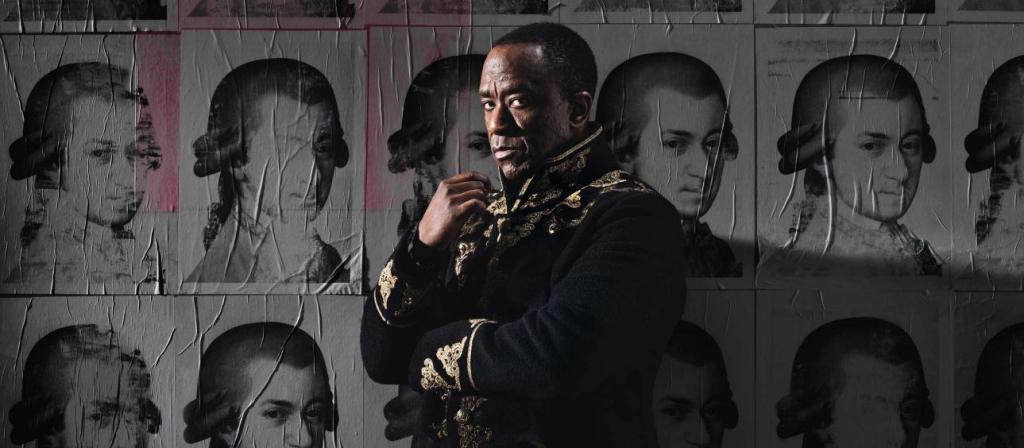
National Theatre’s Amadeus, Lucas Msamati as Salieri, taken from the NT’s official website

Theatre: Amadeus by Peter Shaffer, directed by Michael Longhurst, presented by the National Theatre.

I haven’t kept up as much as I should on NT’s stellar dive through their archive in response to the pandemic. My failing there was thrown into sharp relief as I caught the finale of their YouTube series, a jaw-dropping, perfect revival of Amadeus filmed in 2018.

I’ve been in love with the material since I saw the movie (probably younger than I should have) and it’s hard to picture a better take on Shaffer’s tragic hero of Salieri than Lucas Msamati here. Msamati conjures the character’s iron-willed belief in a just world and a forgiving god, and the shattering, destructive crash when it’s not so.

This Salieri’s judgmental nature poisons everything he touches, ultimately rotting himself from the inside out. His raging monologue at the end of act one and his final declaration, anointing himself to that holy pantheon as “patron saint of mediocrity” are as devastating as I’ve ever seen them. Beyond the stellar acting, Longhurt’s choice to have the Sinfonia on the stage playing the music amidst the actors adds to the mythic, widescreen feeling of this intimate epic.

Amadeus airs through July 23 on National Theatre’s YouTube channel.

Johnny Thunders, taken from Bowery Electric’s website

Music: Johnny Thunders’ Birthday Bash, streamed live from Bowery Electric

As expected, I’ve been missing New York bad as spring turns into full-bore summer. Clubs coming to life with full bands broadcasting into the ether instead of just someone in their apartment (though I’m grateful for that too) are helping salve just a little of that ache.

One of my favorite things about the city is the close proximity of people and one of my favorite immediate manifestations of that energy comes in bulging, riotous tributes. No one does those better than Jesse Malin (with help from Diane Gentile and others) and this online edition of his annual Johnny Thunders tribute at Bowery Electric was some of the most fun I’ve had on a couch all pandemic.

With a tight backing band consisting mostly of Malin’s players (including Derek Cruz on guitar and Danny Ray on sax), for about two hours they reminded us why Johnny Thunders still matters – as Bob Gruen said from his home upstate, he was “kind of Chuck Berry” for that post-74 generation.

MC Steve Krebs – who also closed the night with joyous takes on “Who Are the Mystery Girls” and “Too Much Junkie Business” – kept the well-oiled night moving. Younger acolytes partied through classics like Strange Majik doing “Personality Crisis”, Diane Gentile’s “Sad Vacation” and Kelley Swindall’s “She’s So Untouchable.” The previous generation showed up with stellar, lived-in takes on the catalogue from Keith Streng of the Fleshtones’ majestic cry on “I’m a Boy I’m a Girl” to Steve Wynn and Linda Pitmon’s swampy, minimal “Downtown” to Gilby Clarke’s trio rampaging through “Born to Lose.”

The icing on the cake was Lenny Kaye – who as Patty Smith’s first accompanist has the same kind of claim to “first barrage of punk rock” as Thunders and his Dolls bandmates, perfectly essaying the glittering melancholy of “You Can’t Put Your Arms Around a Memory” before kicking into “Gloria” with the mid-song rap directed toward the memory of Johnny.

In many ways, this made me miss the shows even more but it also reinforced that spirit that we’ll all make it out of this. And we’ll remember not only the people we lost but how good it feels to be in that room together.

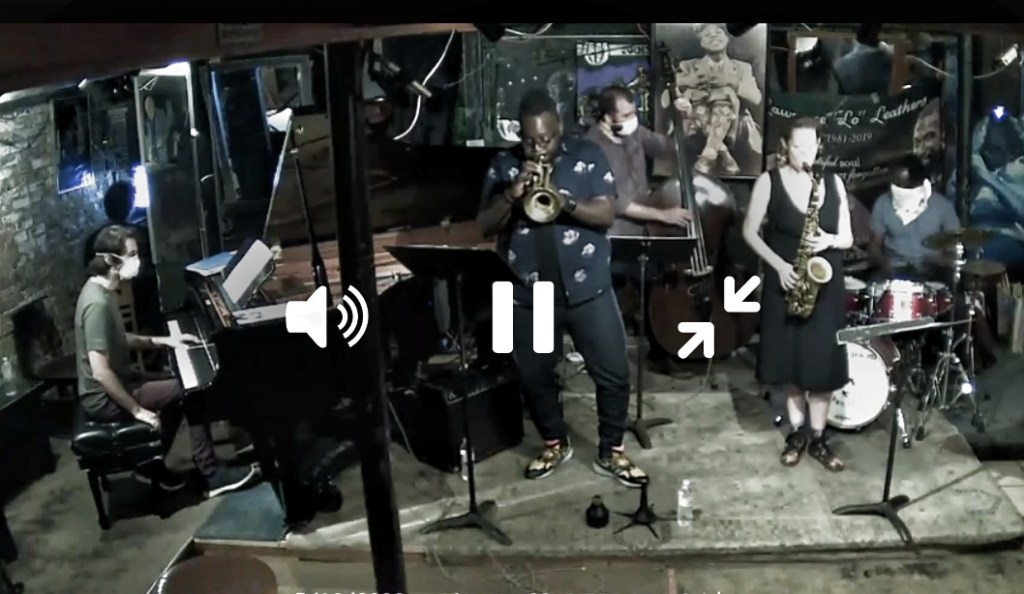
Caroline Davis Quintet, screenshot from Smallslive stream

Music: Caroline Davis Quintet livestreamed from Small’s

Spike Willner’s club Small’s has led the charge getting real jazz played in clubs. Small’s is always a treasure, the highest quality of classic jazz in a funky, real setting. A bar that’s always made me feel good to be alive whenever I made it there – even though usually it was those nights when I wanted just a little more music, after a ticketed show somewhere else.

They’ve perfectly preserved that vibe on this series, the warm chatter of musicians setting up before playing, the great sounding but low-fi video. I’ve been averaging three or four a week – another charge Small’s led for years was recording and archiving all their shows and this finally pushed me over the line to become a monthly subscriber – and they get better and better.

This Saturday’s Caroline Davis Quartet left me in awe, firing up those pleasure centers jazz has a direct line to. Davis is one of the finest alto players working and a stunning writer, and this band was on fire from the first moment. Her front line with trumpeter Marquis Hill had a rare empathy from sinewy ballads to burning protest songs, tossing back and forth with the exquisite rhythm section of Julian Shore on piano, Chris Tordini on bass, and Allan Mednard on drums.

This and all Small’s show are archived at http://www.smallslive.com. It’s more than worth the cost. Each show is also available free for registering when it plays live at 4:45 pm every day.

Categories
live music theatre

Things I’ve Been Digging This Week – July 13, 2020

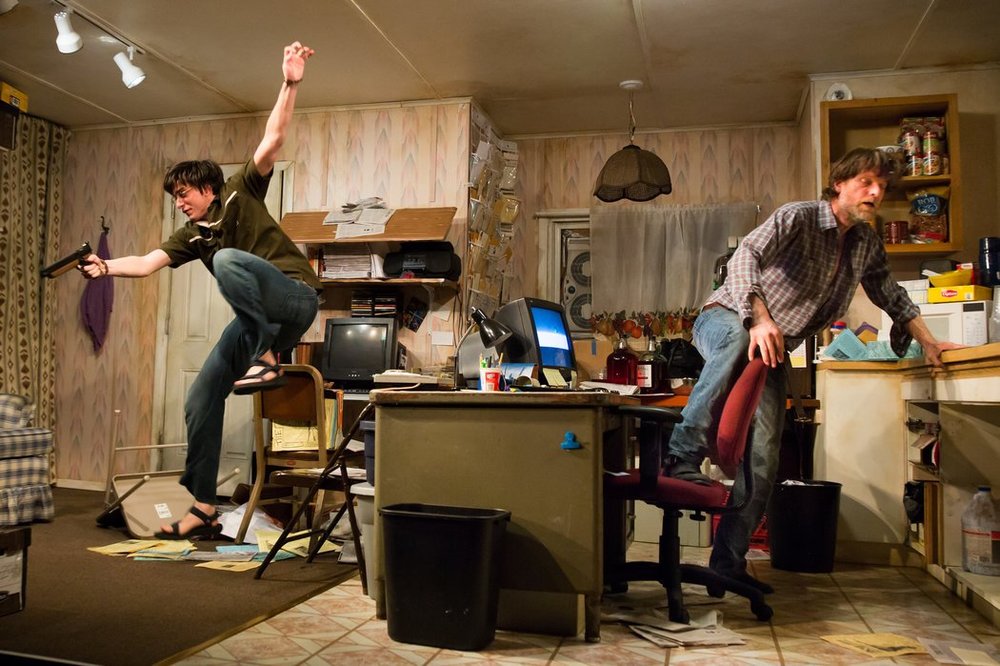
The Few, Gideon Glick (l), Michael Laurence (r), taken from the Rattlestick website

Theatre: The Few written and directed by Samuel D. Hunter, Play-Per-View in conjunction with Rattlestick Playwrights Theater

Play-Per-View has jumped to the front of the line providing electifying readings of acclaimed Off-Broadway plays for one night. This past Saturday they reunited the original 2014 cast of Samuel Hunter’s The Few with proceeds going to its original company Rattlestick. This was on my radar but the timing didn’t work and I was overjoyed to catch up with it here.

Bryan (Michael Laurence) washes up at the offices of the newspaper for truckers he helped found with QZ (Tasha Lawrence) and left her holding the bag years ago two days after the funeral of their third founder and best friend. In the intervening years, QZ turned the paper into a legitimate news source and even (marginally) profitable.

The triangle’s completed by the paper’s newer employee Matthew (Gideon Glick), a true believer on the run from a toxic homelife and broken in ways QZ and Michael know all too well. The Few is the kind of cry into the void I’m a particular sucker for. A paean and a ritual for human connection even in the face of all the pain tied up with it.

It’s beautifully acted: Laurence’s increasingly desperate pleas that “It’s all bullshit” and the anguish at what his old friend was capable of. QZ’s simmering rage at the disrespect she faces at doing the best she could and being played over and over. And Matthew’s youthful hope that he can use this paper to mean what it meant to him as a lonely kid. The writing is finely honed and lived in, with recordings of personal ads used as punctuation.

I’m glad when anyone makes theatre in the face of the requirement to stay apart from one another and I’m glad to see productions given new life in a way that doesn’t turn into the devalued nature of the sea of streaming.

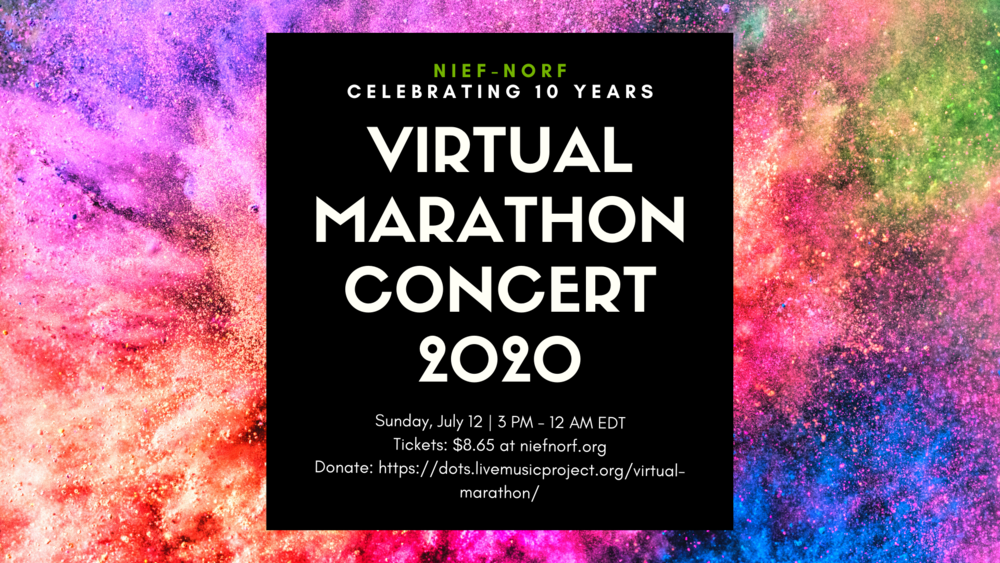
Live Music: Nief-Norf Virtual Marathon 2020

I first became acquainted with Nief-Norf through their partnership with fellow Knoxville New Music institution The Big Ears Festival. Taking a page from similarly hiatused summer festival Bang on a Can, they threw a remarkable party drawing together composers, instrumentalists, alumni, performing new and classic work.

The charming interviews didn’t just add context, they reminded the audience of the role community plays in any art scene. The most crucial thing that’s in danger of being lost if funds dry up and institutions (from university programs to the bar down the street that hosts a jam session every Tuesday) go out of business are these connections, these memories, the sense that new generations want to be involved because it’s fun and fulfilling.

And the music, the main course, was astonishing. Highlights in the three hours I was able to catch included cellist Ashley Walters’ rolling, crackling tensions in her riveting take on Nicholas Deyoe’s Another Anxiety; Andrea Lodge’s meditative, warm reading of Annea Lockwood’s Red Mesa; and Joshua Weinberg and Philip Snyder’s glittering look at Flutronix’s Brown Squares.

Categories
books live music theatre

Things I’ve Been Digging – July 7, 2020

Three months into this quarantine with no end in sight, I think I’ve found kind of a sustainable routine. At least for a while. So I’m going to try to resurrect this brief category in the blog set up for when I had a week with no paid writing. In general, trying to post on Monday or Tuesday and it’s three things I was wowed by in the last week. Also in general, looking for a book/article/art exhibit, a record, and some kind of livestreamed performance.

If you’re reading this – I’m looking for what’s keeping you going too.

Book: Uncanny Valley: A Memoir by Anna Wiener (buy at Gramercy Books).

Holds I requested from the library system before everything closed down showed up with the frisson of happy surprise over the last week or two. My favorite of this first batch is a riveting tech memoir from the New Yorker writer Anna Wiener. Wiener does an excellent job analyzing the tech startup world from the inside out. She incisively flays open the culture of catch phrases and co-opted psychology talk with a fine blade, casting a harsh light on that world’s funhouse mirror take on intersectionality.

The techniques I had a hard time with at first – avoiding proper nouns and the easy connotations of naming restaurants, films, companies – worked their magic on me, making this memoir feel less indebted to a time and place while the use of sensory details put me in the feeling of that place. Uncanny Valley left me with a lot to chew on about my own relationship to work, my coworkers, my friends, and empathy.

Music: Joe Lovano’s Trio Fascination livestreamed from the Village Vanguard

It’ll never replace being in a room but the creative responses to the current situation, the ways music steadfastly refuses to say “No, you can’t do that” while mitigating risk as much as possible, warms my heart.

In particular, jazz venues have been strategizing and come out of the gate with some of the most potent offerings. Spike Willner’s Small’s is leading the charge – I’ve been watching at least three of their nightly offerings a week, look for a highlight here soon – but other venerable institutions like SFJAZZ, The Jazz Gallery, and the Vanguard are also coming out strong.

Every one of the three Vanguard broadcasts I’ve seen features remarkably good camera work and makes me misty about the fantastic sets I’ve seen there. This past weekend was my favorite, by a group of legends: Joe Lovano’s Trio Fascination with Ben Street on bass and Andrew Cyrille on drums.

Growing up when I did, Joe Lovano was my favorite all-around living saxophone player. His Blue Note records in the late ’90s and early ’00s were gateway drugs to high school and college me, firmly in the tradition and perfectly in his voice, turning me onto great players like Paul Motian, George Mraz, John Scofield. I’ve never heard a bad Lovano record and he’s always blown me away live.

I discovered drummer Andrew Cyrille around the same time when my first Cecil Taylor purchase was his ’60s Blue Note big band firestorm Unit Structures. As I pieced together – I’m still working on it – that beguiling music unlike anything I’d heard before, the drumming hit me first and kept me grounded. I couldn’t begin to count the number of records I bought specifically because Cyrille was listed as drummer, or killer players I checked out on my periodic trips to New York knowing nothing other than he was in the group. If someone asked me what I want jazz drumming to be – the wild surprise, the propulsion, the use of color – I have a list but it always starts or ends or both with Andrew Cyrille.

Ben Street’s work I didn’t know quite as well but he’s always impressive and he’s the perfect melodic, grounding foil for this set of fascinating excursions, bone-deep ballads, and cooking, sultry scorchers.

This glorious set made the wound of this empty club throb with life, the pain of not being there made more acute and salved at the same time. This was a perfect jazz set, a conversation writ large.

Next up in this excellent series: pianist Eric Reed leads a quartet with Stacy Dillard on saxophone, Dezron Douglas on bass, and McClenty Hunter on drums this weekend. Tickets are available at https://villagevanguard.com/

John & Jen, from left: Hunter Minor, Dionysia Williams. Photo by Edward Carignan

Theatre: John & Jen, Short North Stage

Alongside jazz, I miss theatre most of all. I’m incredibly grateful for the companies that have been able to work with licensing groups to release archival copies (favorites include Lydia Diamond’s Toni Stone from ACT and Jocelyn Bioh’s School Girls; Or, the African Mean Girls Play at The Goodman) and I’m heartened by companies who aren’t taking “we can’t do this” for an answer, led locally by Krista Lively Stauffer and Tim Browning’s Virtual Theater project (which let me catch Douglas Whaley’s transfixing Turkey Men which was my biggest regret in missing last year).

Short North Stage raised the bar on production values (which I described in my preview for Columbus Underground) with their Edward Carignan-directed adaptation of the Andrew Lippa and Tom Greenwald Off-Broadway classic John & Jen.

First and foremost, the production sounds great, with Lori Kay Harvey’s musical direction and piano rich and full but never overpowering and the dynamite voices of Dionysia Williams and Hunter Minor are a joy. The actors get the playful nature of the characters’ relationship and smoothly shift gears between joy and heartbreak in exactly the tone the play demands.

Carignan’s direction and videography make excellent use of the production’s homespun qualities, creating a show bursting with charm. John & Jen‘s gorgeous, sticky melodies shine here, any fans of Lippa’s later work or Short North Stage’s smaller chamber shows will do well to catch this during its week of streaming.

John & Jen streams on vimeo through July 12. Tickets are available at https://www.shortnorthstage.org/johnjen

Categories
Best Of theatre

Central Ohio Theatre Critics Circle Citations

I was out of town in Louisville so unable to present but my fellow critics – Paul Batterson from Broadwayworld, Margaret Quamme and Michael Grossberg from the Columbus Dispatch, and Jay Weitz from Columbus Jewish News – and I agreed on two citations for 2019 work and a Roy Bowen Lifetime Achievement Award. Press release below:

The Central Ohio Theatre Critics Circle, representing critics who write in print and online for area publications, presented its 26th annual citations Sunday Feb. 16 at the Northland Performing Arts Center, as part of the Central Ohio Theatre Roundtable’s 20th annual Theater Awards Night.

Rather than focusing on competitive annual “best” categories, the circle annually honors local individuals or groups whose work “promotes the higher values of theater” or “expands the possibilities of theater.” Reflecting excellence in 2019, the critics circle approved three citations unanimously:

Short North Stage and Columbus Children’s Theatre – West Side Story

To Short North Stage and Columbus Children’s Theatre, for their fruitful first collaboration in 2019 on “West Side Story,” which intensified the heartbreaking tragedy with a greater focus on the reckless impulses and idealistic hopes of youth, reinforced by the youth-oriented casting of the rival street gangs.

Red Herring Theatre Company – Waiting to Be Invited

To Red Herring Theatre Company, which has moved in 2020 to a new performing space, for taking risks and offering provocative works in its third and final year at the Franklinton Playhouse with an ambitious 10 productions of Broadway, off-Broadway and locally written works, including the impressive area premiere of the Tony-winning play “The Humans.” 

A Roy Bowen Award for Lifetime Achievement to T.J. Gerckens, chair and Producing Artistic Director of Otterbein University’s theater and dance department, whose burnished lighting helped energize Otterbein’s fall revival of “Chicago,” for decades of outstanding work as an acclaimed lighting designer and local theater leader, including 17 years in production and executive management at CATCO; 26 years on the design team of the Tony-winning theater/opera director Mary Zimmerman; and for acclaimed and/or award-winning work on Broadway, at the Metropolitan  Opera, in Australia, China and Europe.

Categories
live music

Chuck Prophet – Natalie’s Grandview, 01/28/2020

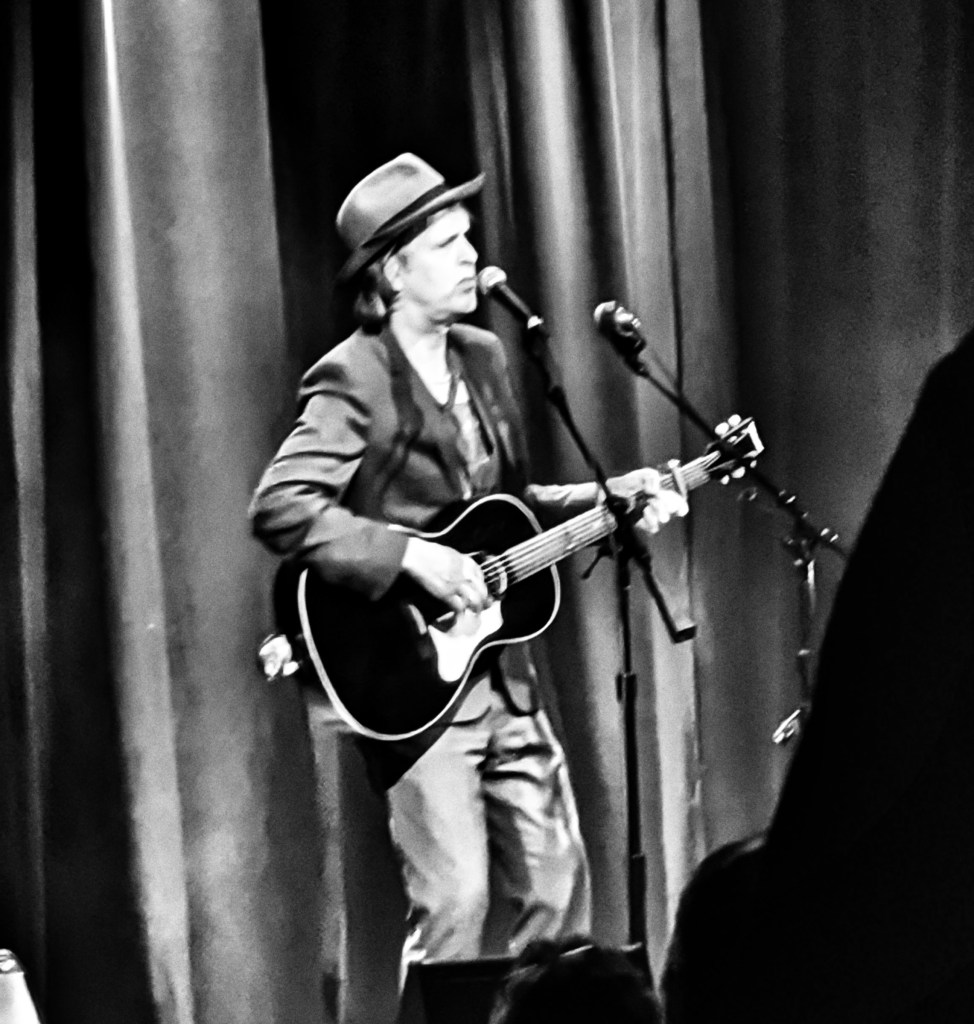
Chuck Prophet, Natalie’s Grandview

One of San Francisco’s great pop bards, Chuck Prophet, slid into town through the thick of our late-January malaise to turn the new, slightly larger Natalie’s into a Chinese lantern, illuminated by his complicated, sweet, melancholy light.

Best known as a blistering guitarist and an undersung bandleader, Prophet left his crack band, The Mission Express, at home. Prophet arrived wearing a suit and his troubadour hat, winking at the classic beatnik uniform and cutting down any accusations of self-seriousness. He also made use of an amp and two mics, one for effects, which felt like a poke at the purity and faux-authenticity fetishized by a certain stripe of Americana fan. 

But his primary weapon was that supple, sneaky voice, and one acoustic; toward the end of the night, Prophet said, “I played Oklahoma City a while ago for the first time. Woody Guthrie was from Oklahoma and his guitar killed fascists. This…” holding it up for inspection, “Is harmless.”

Prophet combines a soaked-in-history love of music with the same molten, encompassing love of people in all our fucked-up-ness. Every time he hits the stage, it’s a conversation.  That same sensibility infuses his eye as a writer. The best of the new songs, a story about a couple in “an SRO on Polk Street,” living for the moment when they turn Metallica up so loud the neighbors complain and they sing “Love me like I want to be loved,” found a melancholy sweetness in these two people drawn with ample spaces and a fine pen.

That vein of clear-eyed sweetness traced from the characters from No Other Love classic “Storm Across the Sea” through the shambling chin-up narrator exhorting the world to “Wish Me Luck.” That vulnerability reminds us why “You could make a doubter out of Jesus,” works as an all-time killer pickup line and saves “Would You Love Me” off Soap and Water from a watery, syrupy death in lesser hands.

Prophet also conjures barbed irony – sometimes seemingly lost on part of the audience. The grim, acidic parallel “Nixonland” plays with big, major chords to milk applause like a gladiatorial match asking the audience “live or die.” But his sweet spot is a touch of mourning for a monoculture gone with a knowing smile that it was never as good as people like to remember: the soaring chorus of the new song “High as Johnny Thunders;” the final encore of perhaps his final song, “Willie Mays is Up at Bat” remembering the world of his youth where Bill Graham and Jim Jones rubbed elbows, maybe the best center fielder of the game was walking up to the plate, but still “Nobody knows who’ll make it home tonight.”

Prophet’s refined the lessons of his life and stands as a shining example that getting older doesn’t have to make you exhausted and small. Time changes everything but it doesn’t have to make any of us cruel or sick. That middle of the week, unvarnished, acoustic performance reminded us of the power of song and the power of empathy.

Categories
live music theatre

Stitching our Wounds with Golden Threads of Past, Future, and Self

The piece of salt given me at The Public Theatre’s production of salt.

My Friday and Saturday of this New York trip fused unseasonable physical warmth with the warmth of watching communities intersect, share, and watch out for one another. 

Hit six sets of the Winter Jazzfest Marathon Friday, trying to dip in on things that had been on my list and bands I had no experience with or expectations for. Three burned cataracts off my eyes, would not let me stay jaded or sit there with folded arms.

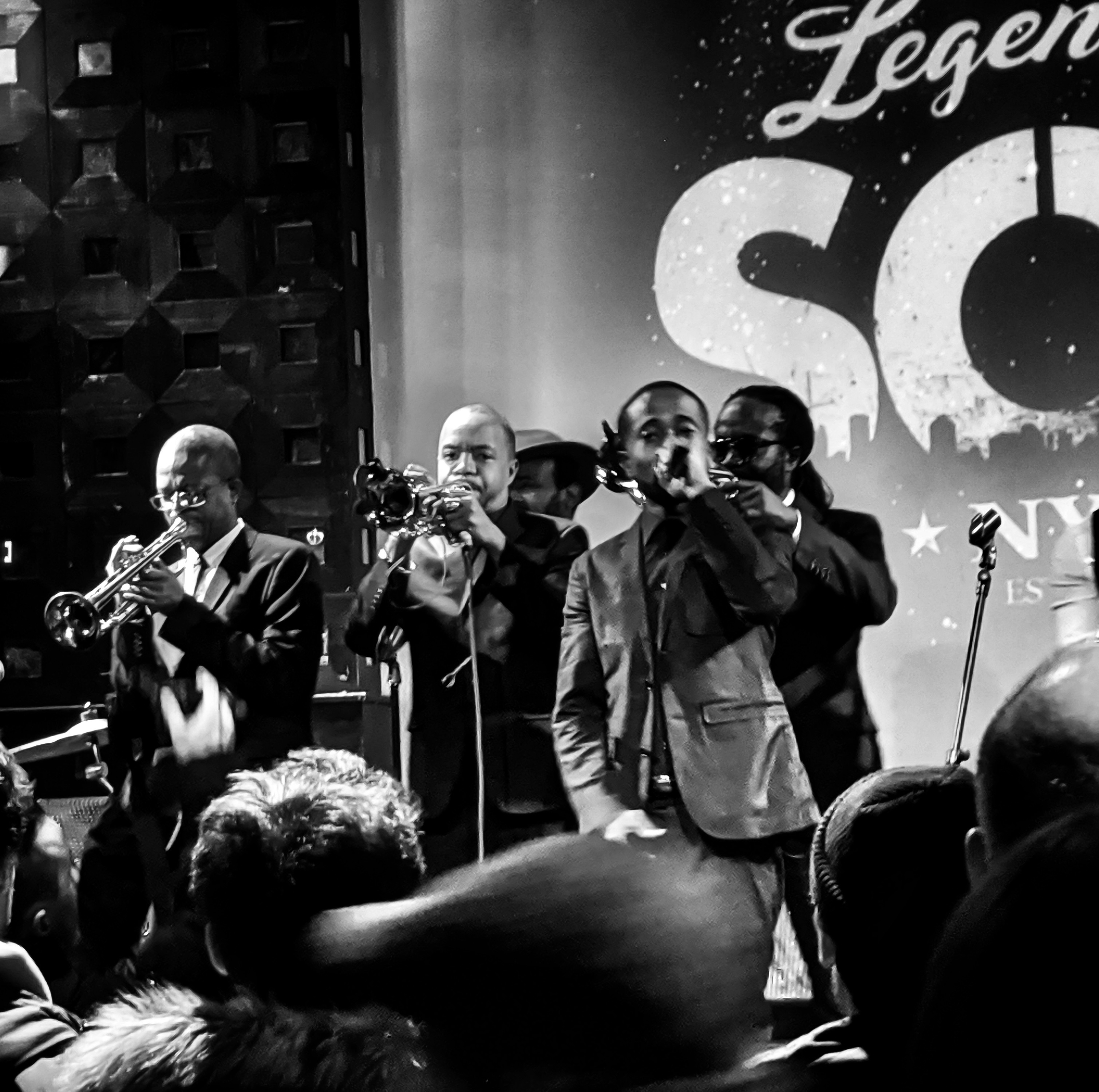
Hypnotic Brass Ensemble

I walked into SOB’s – the site of some of the finest R&B performances I’ve ever seen anywhere – smack into the last third of a dazzling performance by The Era, a Chicago footwork crew. The Era blended virtuosic pushing the limits of the body forms with a sense of shared experience, and empathy for their fellow dancers and their community, spoken word, clips of a documentary, and vital social commentary. Solos highlight the artist as an individual but build the greater whole.

For the last few minutes, as The Era introduced each other and took bows, their fellow Chicagoans Hypnotic Brass Ensemble took the stage, with the drummer laying down a beat and the horns – seven of whom are songs of the great ecstatic jazz artist Phil Cohran – coalescing behind them. That sense of community and love set the stage for Hypnotic Brass Ensemble’s righteous, riotous explosion of joy. The finest funk wah-guitar I’ve heard live since Skip Pitts; thick bass lines and an almost unequaled rhythm section hookup set up blow-your-hair-back horns, gang vocals, and the dance party that’s unheard of at 7:30.

Rode that enthusiasm up 6th Ave to check in on one of my favorite bands I hadn’t seen in many years – since the week of my dear friend Mike Gamble’s wedding, I think – Steven Bernstein’s Millennial Territory Orchestra. The 20th anniversary of this assemblage of downtown NYC jazzers was a tribute to refining and expanding an approach, to taking what matters to them from the past and never being afraid to fuck with it. 

Steven Bernstein and Catherine Russell sharing a look during MTO’s 20th Anniversary set

A paean to the joy of approaching standards like “St. Louis Blues” and “Careless Love” simultaneously as though they just heard them last week and taught them to one another and with all the historical knowledge of every great version that’s come before them. Just as strongly, it was another tribute (you’ll see a theme here) to their community. As he introduced every member of the band – including Catherine Russell, a vocalist for whom “special guest” isn’t even close to adequate – Bernstein had a witty story about how they came into each other’s lives and his palpable love for every person on that stage glowed even brighter than the blistering, surprising solos: “Curtis Fowlkes on trombone! I replaced Curtis in the Lounge Lizards, when he left I got that one solo;” “Peter Apfelbaum and I have been playing music since I was 11 – well, we didn’t really start making music till 12, that first year we were bullshitting;” “They told me I’d love [Matt Munisteri, electric guitarist] who played trad banjo; I said I don’t want to meet some motherfucker who plays trad banjo!”

That same sense of communal bond and simultaneous gazes on the past and the future suffused drummer Makaya McCraven’s Chicago-rooted supergroup. McCraven’s been making noise as one of our most exciting drummers who trusts improvisation enough to run it through a cut-up filter and expose it to every other tool at his disposal. I love his heavy, organic records. But I expected nothing to blow me away as much as the live set.

Makaya McCraven’s band with Marquis Hill soloings

Chicago’s always been one of the principal jazz scenes and they’re having a moment – big records out in the last year from what felt like every member of this Octet, off the top of my head: Junius Paul, Joel Ross, Greg Ward, Brandee Younger, Marquis Hill. This set helped coalesce that coming-out party, extended pieces full of tension and joy, grins exchanged between players but attacking the musical material with an enviable intensity. I texted a friend and said, “This is the kind of awesome, multi-layered groove machine I was led to believe Tortoise would sound like,” but this band doesn’t sound like anything except themselves.

Joel Ross’ machine-gun vibraphone arpeggios took a hi-hat heavy McCraven intro and built a bridge into a volcanic Hill trumpet piece, then subsumed by the whole horn front line at once. The entire band gathered around Brandee Younger as her harp washed over all of us. Ward and the tenor player (I apologize, he was spectacular, I just can’t read my damn handwriting – someone post in the comments so I can correct?) bubbling up uncanny harmonies between their horns. Every few bars brought a wholly surprising and perfectly right turn after turn. Friends and peers who built this language together, like the Yehuda Amichai poem, that baked in the same sun and froze in the same cold, lighting a path straight to the future.

Saturday, both plays I saw were excellent but salt stuck with me and resonating in time with everything else of these two days. Written by Selina Thompson and performed brilliantly by Rochelle Rose with razor-sharp direction from Dawn Walton, salt traces a journey into Thompson’s family history as an adopted black woman grown up in Birmingham, England.

Crowd at Drom for Secret Planet

That journey back to Jamaica and to Ghana excavates old wounds and finds new wellsprings of joy. Ugly slights and horrific mistreatment but also putting her story in the world’s context at large. Better than any performance I think I’ve ever seen, salt understands the crushing repetition of oppression, the way the boring and the horrific take each other as eager dance partners. And, though most of 2019’s year-end list for me dealt with why do we live and what we owe each other, nothing I’ve ever seen has done it better than Thompson, Rose, and Walton do it here. I walked out into the sunlight a blithering idiot (okay, more of).

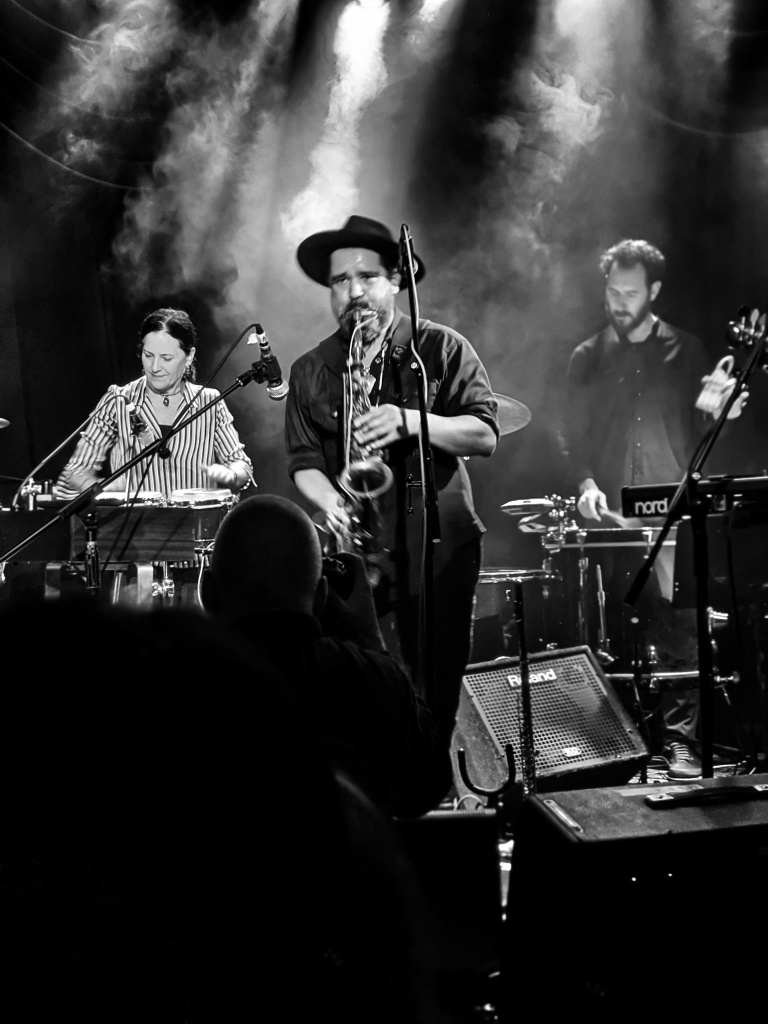
Later that night, one of my favorite APAP adjacent showcases, Secret Planet, took over one of my favorite clubs, Drom, for the best version of it I’ve ever seen. Cochemea – who I knew best from his sideman duties with Sharon Jones and the Dap Kings – kicked us into a frenzy with instrumental soul, his variety of reeds backed by a band almost entirely composed of percussionists. Seven or eight people building riffs into surging tidal waves and delighting in the sense of play with one another.

Cochemea

That thread got picked up and danced with by Sunny Jain’s (from Red Baraat) new band Wild Wild East, merging featuring Jain at a trap drum kit instead of his usual dhol, fusing spaghetti western tunes, Indian pop, and thick ‘70s psychedelia with a band of sax, guitar, sousaphone, and dueling man-woman vocals. A tribute to exploration and migration wrapped up in a wild party.

Sunny Jain’s Wild Wild East

Alba and the Mighty Lions turned up the psychedelic salsa elements for giant, catchy songs in a rhythmically intense, barbed, rocking package. I didn’t stick around for the whole set only because I realized not eating in 7 hours and running on dancing and whiskey would go badly but I’d watch them again and again.

Alba and the Mighty Lions

Another full day I’m walking into, to badly paraphrase the Andrew Hudgins poem, “As if I’ll only – fat chance – live it once.”

Categories
live music

Two Sides of the Big Band: Ryan Truesdell’s Music of Bob Brookmeyer and Darcy James Argue’s Secret Society

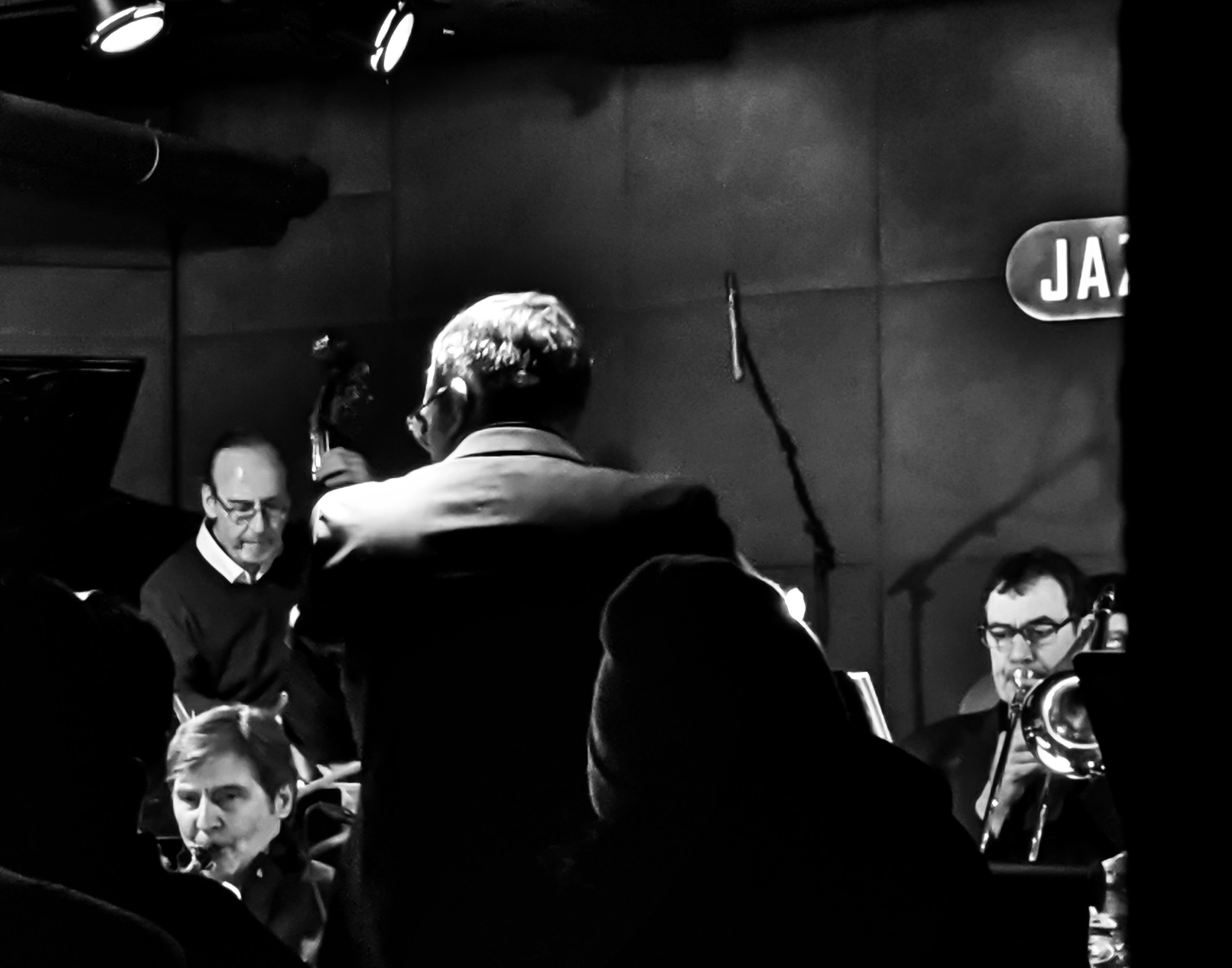
Ryan Truesdell and band, Jazz Standard
Ryan Truesdell conducting The Music of Bob Brookmeyer

Curation is an act of love, when you’re doing it right. Trombonist John Mosca, longtime comrade of Brookmeyer said, while introducing “Ding Dong Ding,” which he played with the Mel Lewis band during its triumphant late ‘70s run, said “There’s no better curator or champion for Bob’s [Brookmeyer] music than Ryan [Truesdell].” 

Truesdell and his crack 18-piece band proved that again and again in their final set of a two-night run at Manhattan’s Jazz Standard on a blustery January night, a belated 80th birthday party for Brookmeyer, the great composer, arranger, and player who changed the shape of jazz, especially large group jazz, since the ‘60s. As much as jazz is the first American art form, the big band feels like a peculiarly American animal.

The music is a masterful evocation of what a big band could be at its heights, fresh and alive, and warm. Rippling shocks of chromatic heat revealed sublime beauty, more than once I felt I was peering into a blast furnace full of precious stones. But that visceral, massed sound always parted for the primacy of some of the sweetest melody you’ll ever hear – Scott Robinson’s river-of-life bass clarinet on “Django’s Castle; ” Drew Gress’ funky flamenco bass runs on “Verticals; ” John Mosca and Riley Muhlekar’s dance-battle brass on “The Fan Club; ” Gary Versace’s lilting piano, insistent on the intro and light as a lullaby at the end of “Ding Dong Ding.”

Truesdell wove a thread through pieces of Brookmeyer’s dating back to the Gerry Mulligan Concert Band until not long before he passed away. He gave us enough of that ranging sound world to feel like we got it. And, as a renowned arranger himself, he highlighted Bob’s ability to let people shine in his own compositions and to bring out the key facets in others. I’m a Cole Porter freak who grew up with a grandmother who idolized Sarah Vaughan. It’s no exaggeration to say I’ve heard 100 versions of “Love For Sale” – that might be conservative. The version of “Love For Sale” they closed with, with the exquisite Wendy Giles on vocals – I missed Brookmeyer’s late Standards record, to my chagrin – made me feel like I was hearing it with fresh ears. I won’t say I was crying but I wouldn’t deny it under oath.

Beyond the musical mix, Truesdell nailed the mix of personalities in the instrumental blend, their connections to each other, and Bob as a person.  He let the players introduce songs with rambling, hilarious personal anecdotes, and cultivates an atmosphere that feels as though we’re lucky enough to be at a real birthday party, even including Brookmeyer’s widow. May we all be so lucky to have people who love us as much as the love in that Wednesday room.

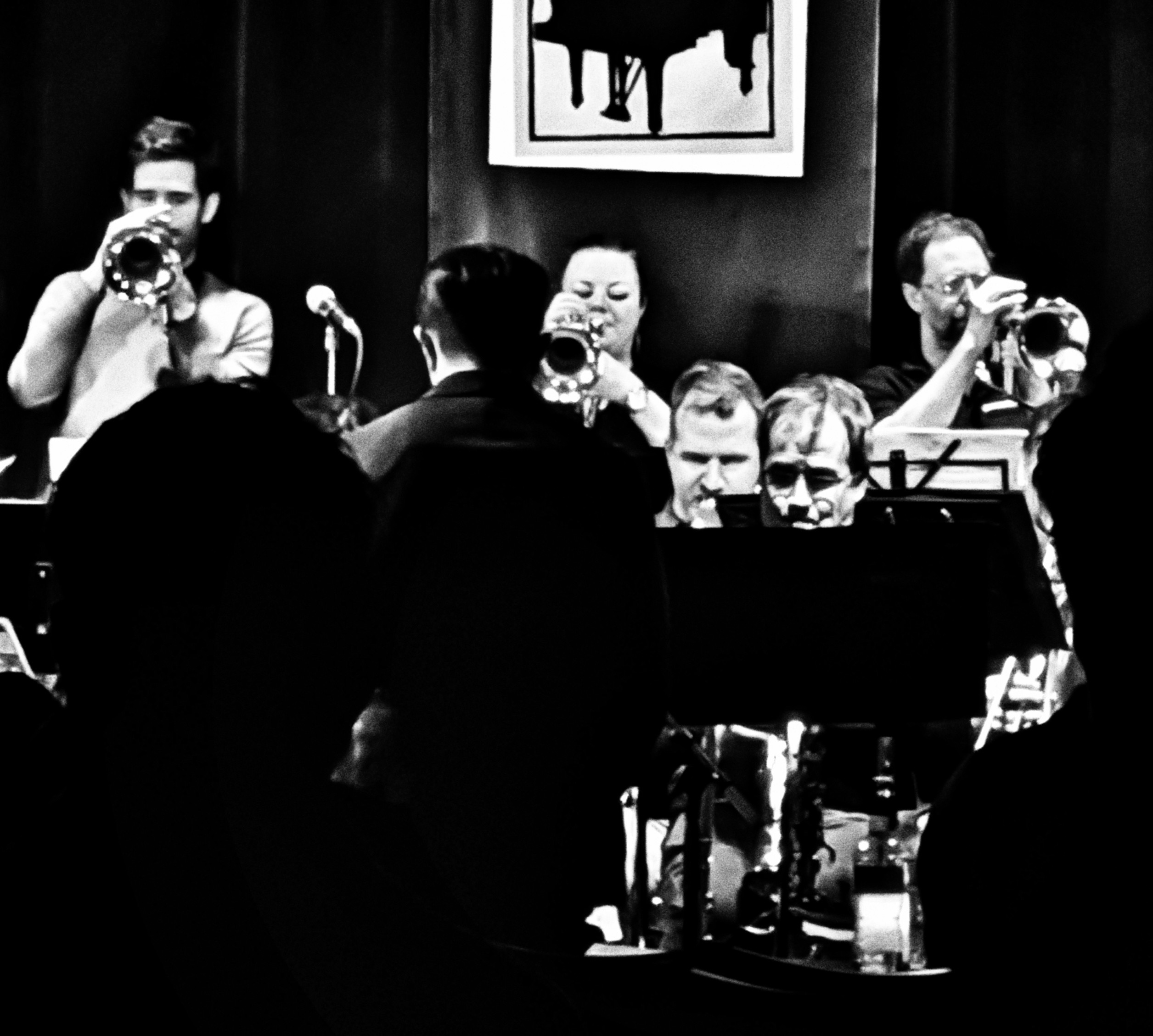
Darcy James Argue and (part of) band
Darcy James Argue’s Secret Society

Darcy James Argue’s Secret Society shone a bright light on another angle of the promise and beauty of the big band the next night at Jazz Gallery. I’m an unabashed stan for Argue’s work, discovering him through his blog and responding to Infernal Machines, seeing two premieres at BAM and hitting my yearend list many times. Appropriate for the week of APAP, he and his co-conspirators ran us through a whiplash-dazzling deep dive into the band’s rich catalog.

The band tore into this material with an uncommon passion and fire, fused to the wisdom of players who know the tunes in at a cellular level and the camaraderie that doesn’t come easy. Early gems like “Dymaxion,” brand new pieces including “Ebonite” commissioned by his hometown Vancouver Jazz Festival, “The Hidden Hand” from his epic Real Enemies, every pitch sailed over the fences.

Argue’s debt to Ellington paid off with tailored, perfect solos rising out of the landscapes he sculpted as though they couldn’t come from anywhere else. Highlights in that regard came in Carl Maraghi’s rippling bari work on “Dymaxion,” and Alexa Tarantino’s tough and supple soprano on “Ebonite.”

The highlight for me came with the most direct Ellington homage – Argue’s response to “Diminuendo in Blue,” “Tensile Curves.” This was my second journey through that piece, riddled with astonishing playing with particular attention to Ingrid Jensen and Matt Holman’s trumpets, Sam Sadigursky’s clarinet, and Sebastian Noelle’s guitar. It’s the rare tribute with heavy conceptual underpinning, where knowing the technical aspects deepen your appreciation without being required and the even rarer 40-minute composition that never flags or lets your attention drift.

Similar to the Brookmeyer (one of Argue’s teachers), the stage overflowed with love and respect for the players as people. My time following that band has turned me onto as many great players as those Ellington and Basie records I grew up with – Nadje Noordhuis, Jacob Garchik, Ryan Keberle, Sam Sadigursky, people whose other work I’ve sought and loved. These two shows got this trip off to the righteous start it needed, plugging back into the battery after some dark months.

Categories
Best Of visual art

Best of 2019 – Visual Art

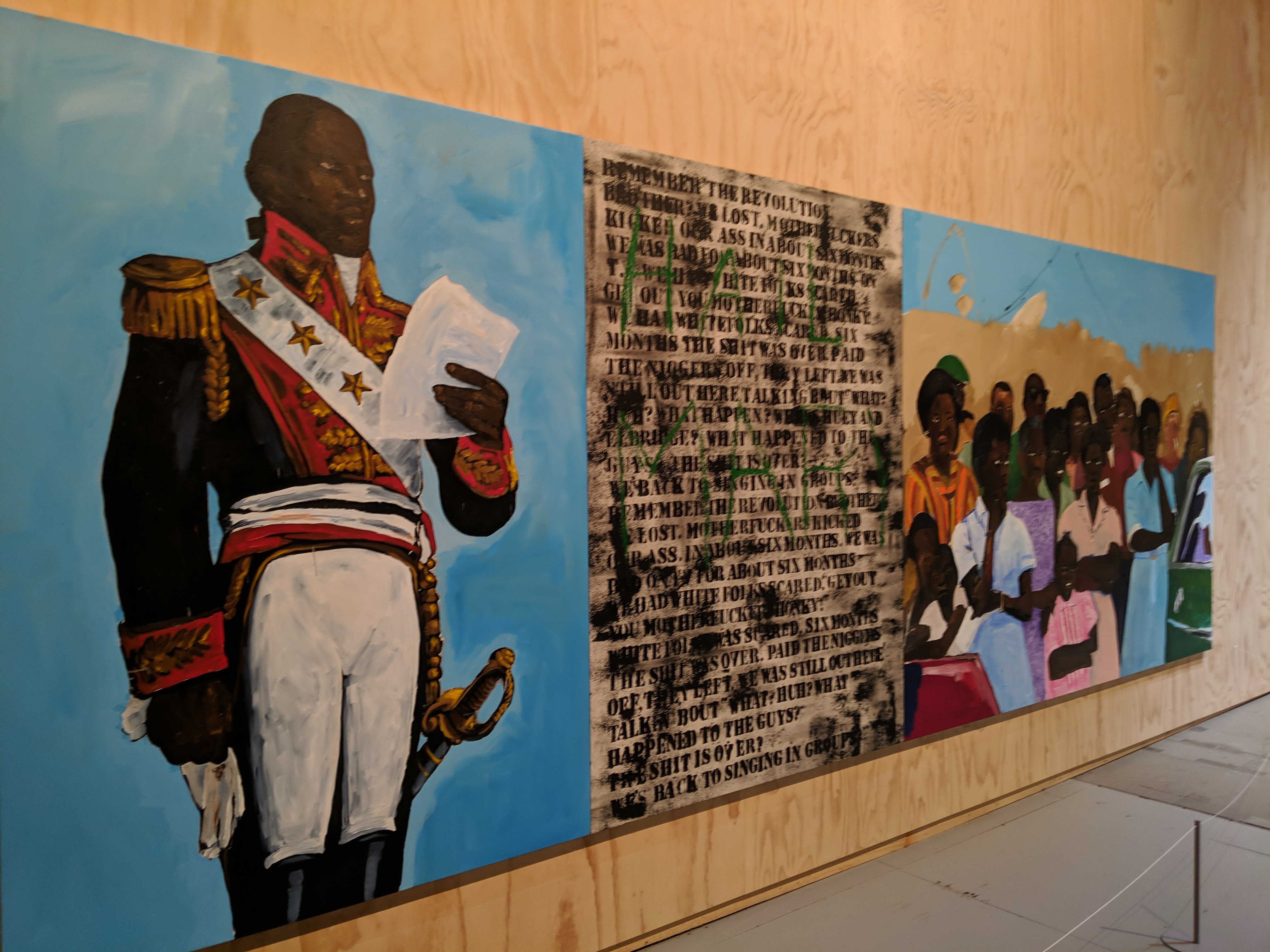
Henry Taylor, Venice Biennale

“If you notice anything,
It leads you to notice
more
and more.”
– Mary Oliver, “The Moths”

In this year – by turns more magnificent than I could hope and immeasurably shitty – visual art continued to be a balm, a lifeline, and a reminder to wake up and try harder. I was lucky enough to catch 75 exhibits over 9 cities in two countries. I left this one ranked – unlike the two performance lists which I put in (mostly) chronological order – we’ll see if I stay comfortable with that.

Everything below is in Columbus unless otherwise noted. All photos have been taken by me for reference for discussion with no claim on the original work, unless otherwise noted.

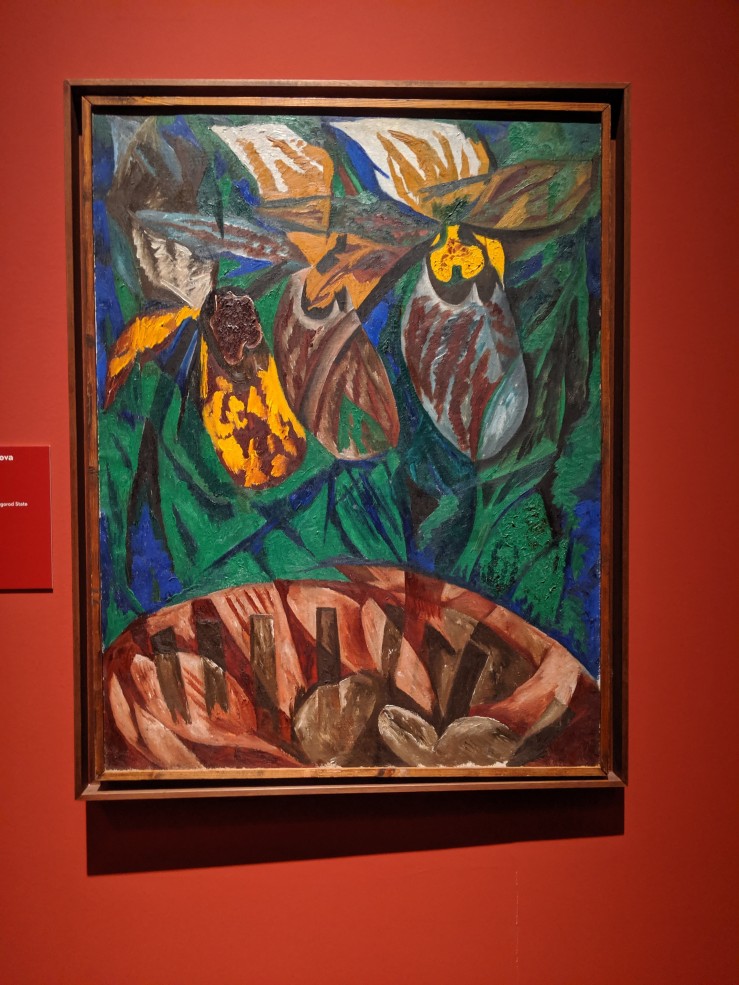
Natalia Goncharova, Palazzo Strozzi
  1. Various Artists, 2019 Venice Biennale: May You Live in Interesting Times (various locations, Venice) – It’s hard to compete with new – my memories of the first Whitney Biennial I was lucky enough to visit are stronger than my memories of this year’s (for more reasons than one) – so it’s not surprising I was so dazzled by my first Venice Biennale. That said, my eyes almost popped out of my head, from the main exhibit curated by Ralph Rugoff with the best overview of artists grappling with the current shifting, chaotic moment, to the various national pavilions haunting and inspiring, to the satellite exhibitions (a storefront dedicated to Sierra Leone knocked me over), this took me back to the best parts of that childlike state where everything’s new and I’m hungry for all of it.
  2. Barbara Hammer, In This Body (Wexner Center for the Arts) – Barbara Hammer’s work has always fascinated me and the Wex – led by its curator, Film/Video Studio Program Curator Jennifer Lange – outdid themselves with this exhibit put together up to Hammer’s death this year. The kind of grappling with mortality that doesn’t come easy, a fusing of rigor with the sensuality her work reminded us can never been separated from politics and society. I spent hours in the main installation, walking through X-Ray negatives bathed in a haunting film, I even went the day after my stepsister’s funeral, and it comforted and challenged me every time.
  3. Natalia Goncharova, Natalia Goncharova (Palazzo Strozzi, Florence) – This was a happy surprise for my first trip to Florence and a source of immense chagrin that the only thing I know of Goncharova previously was her costumes for Dhagliev. A cornucopia of classic high modernism practiced at a level almost no one could match. Masterpieces in dialogue with all the better known names of her time – Picasso, Chagall – while never feeling like she was trying on techniques. A time that felt like the end of the world mapped out and sung in a voice I couldn’t forget.
Joan Mitchell, David Zwirner
  1. Suzanne Lacy, We Are Here (SFMOMA and Yerba Buena Center for the Arts, San Francisco) – Suzanne Lacy’s a brilliant example of an artist who works directly with society, never content to only let her work be uplifting. This retrospective, spread across downtown San Francisco’s two main institutions, reminded me how vital her work still is and how inspiring her mission).
  2. Joan Mitchell, I Carry My Landscapes Around With Me (David Zwirner, NYC) – Joan Mitchell’s been one of my favorite painters since I first saw her work; some days, she’s easily my favorite of the Abstract Expressionists. This retrospective of her large-scale paintings at David Zwirner was earth-shattering for me; taking that fusion of abstraction and landscape many of us associate with Kandinsky and exploding it into other worlds. A crystallized moment of the 20th century and a reverberation through the foreseeable future.
  3. Jason Moran, Jason Moran (Wexner Center for the Arts) – Moran’s one of my heroes since I first heard Black Stars when I was in college. His appearance with the Bandwagon is one of my all-time top five concert experiences at the Wexner Center. This look at his – often collaborative – visual art was stunning. The detail-rich replicas of key spots from jazz history loom in the middle, heavy with history as tombs but also vibrating to be reactivated. His video work with Carrie Mae Weems and Stan Douglas hinted at secret histories. I had some issues with the selection of the live performance aspects – would have liked more things like the opening Ogun Meji – but I kept visiting and unpacking this.
Jason Moran, Wexner Center
  1. Various Artists, Everything is Rhythm: Mid-Century Music and Art (Toledo Museum of Art, Toledo) – 40s-60s contemporary art and music are obsessions of mine, still, and this multimedia presentation in the always excellent Toledo Museum was the best, most approachable tying-together of those threads I’ve ever seen.
  2. Lorna Simpson, Darkening (Hauser and Wirth, NYC) – I knew Lorna Simpson’s photography work a little but this selection of layered, gripping paintings felt revelatory. The light growing dim so you have to lean in and then the cold opens you up.
  3. Various Artists, Detroit Collects: Selections of African American Art from Private Collections (Detroit Institute of Art, Detroit) – Private collectors in museum contexts are problematic but everything about this warmed me up, members of Detroit’s black community talking about collecting black art and fascinating examples of what draws them to it and keeps them going. A deep dive into the best parts of collection and curation – paying tribute, keeping voices alive, giving you something to pass onto your children.
Anselm Kiefer, German Abstraction After 1950, SFMOMA
  1. Various Artists, Leonard Cohen: A Crack in Everything (Jewish Museum, NYC) – Various artists taking on Leonard Cohen, one of the most imagistic lyricists of the 20th century made this lifelong Cohen fan’s heart grow three sizes. The variety of work, from an amateur men’s choir doing “I’m Your Man” in multichannel video to an organ that played a word with each key to an installation where “Famous Blue Raincoat” synchronizes with a flood of iconography, there was so much to love here.
  2. Various Artists, Artistic License: Six Takes on the Guggenheim Collection (Guggenheim, NYC) – Celebrating an anniversary, the Guggenheim turned to artists to contextualize the parts of the massive modern art collection and it’s the best use of the iconic Frank Lloyd Wright building and the best use of a giant collection of holdings I’ve seen in years.
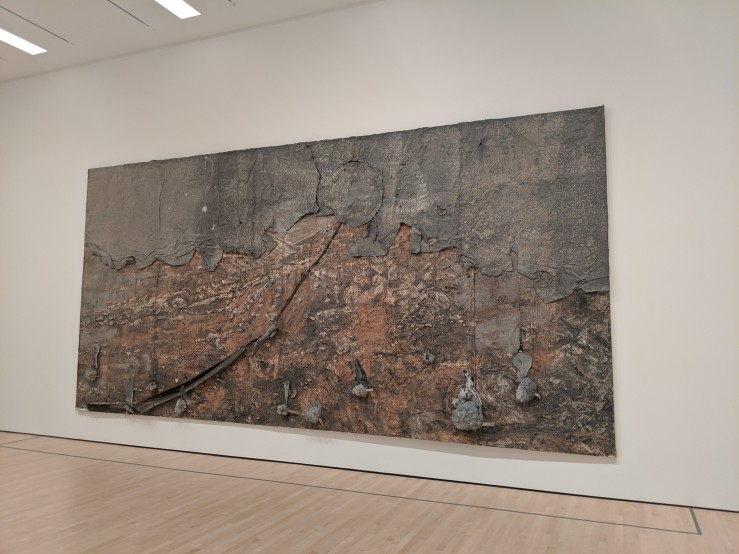
  3. Various Artists, German Abstraction After 1950 (SFMOMA, San Francisco) – This era – Kiefer, Richter, et al – is a personal favorite of mine and this was an embarassment of riches I couldn’t believe I was seeing all in one place.
Nancy Spero, MoMA PS1
  1. Peter Hujar, The Speed of Life (Wexner Center for the Arts) – I loved the John Waters piece that ran in parallel with Hujar, and I loved seeing the two dialogue with one another but the Hujar wrecked me every damn time. A reminder how potent portraiture can be in letting us see and a reminder to be grateful for our networks and the love around all of us.
  2. Simone Fattal, Works and Days (MoMA PS1, NYC) – An artist I knew nothing about before this trip to PS1 knocked me sidewise. Sculptures and watercolors working through the consequences of archaeology and imperialism, knowledge and the stories we tell ourselves. I needed far more hours than I had to properly appreciate this but it’s still with me.
  3. Walid Raad, Walid Raad (Paula Cooper, NYC) – Walid Raad’s alternate history work reminds us all how science fiction tropes can illuminate real world pain and challenge. His puzzles dare you to tease out the facts from the greater truth and complicate your own feelings as you work through them.
  4. Nancy Spero, Paper Mirror (MoMA PS1, NYC) – Spero’s work benefited from the volume and the jumble of this perfect PS1 show, words coming at the viewer like daggers but so many you can’t focus on any one, you have to give into the flood.
Huma Bhabha, Gagosian Rome
  1. Gordon Parks, The New Tide: Early Work 1940-1950 (Cleveland Museum of Art, Cleveland) – Gordon Parks’ social realist photography is always a wake up call to being alive and this tight, well-curated collection in Cleveland was exactly what I needed in a summer of too much feeling sorry for myself.
  2. Sondra Perry, A Terrible Thing (MOCA Cleveland, Cleveland) – Perry’s video work dug deep into infrastructure and invisible labor in a biting, potent critique that sung.
  3. Various Artists, arms ache avid aeon (CCAD’s Beeler Gallery) – Jo-ey Tang’s work with the Beeler Gallery is coming into its own; I love his specialty of slow exhibitions that evolve over periods of time and this look back on the fierce pussy collective, capped by a symposium that was the most energized I felt all year, was a dazzling, meditative explosion.
  4. Huma Bhabha, The Company (Gagosian, Rome) – In a trip spent gorging ourselves on old masters and antiquity, Bhabha’s sardonic looks at the modern age was the perfect palate cleanser.