Categories
Best Of visual art

Best of 2024: Visual Art

What an astonishing year for visual art this was – 64 exhibits in 6 cities, and very little of it let me down. I got my head turned around repeatedly and – for what’s in my town – I often came back again and again to drink from that fountain.

I want to take a few seconds for an elegy with the hope of rebirth for Skylab. I had dear friends who ran it over the years – I just saw one last weekend – and from the first time I went at 19 (ish), I knew my city was better for it. For that kind of a DIY space to hold on in a rapidly changing downtown for 27-ish (I feel like Berry Van Boekel and a couple of other people started hosting art shows in 1997 but I could be off by a few years) years is a marvelous achievement in itself.

Just as worth celebrating is the way it shifted with the interests of the residence but kept the quality so fucking high. The one exhibit on here I knew would be on this list within seconds of walking through the door, and it was of a lineage with the art I drank lukewarm cans of cheap beer and took in during my early 20s but for today. The music shows weren’t rage soaking out of my pores to Sword Heaven and Skeletons anymore, but the dance floor for Melanie Pagani one night I slipped into dance away the memory of a terrible play I saw was packed and the music was spectacular. If you have a few dollars, give to their relocation GoFundMe: https://www.gofundme.com/f/help-skylab-gallery-find-a-new-home

As with the other lists, everything here is in chronological order (the three Ming Smith exhibits are grouped based on the first one of those I saw), in Columbus unless otherwise stated, and any photographs are by me unless otherwise stated.
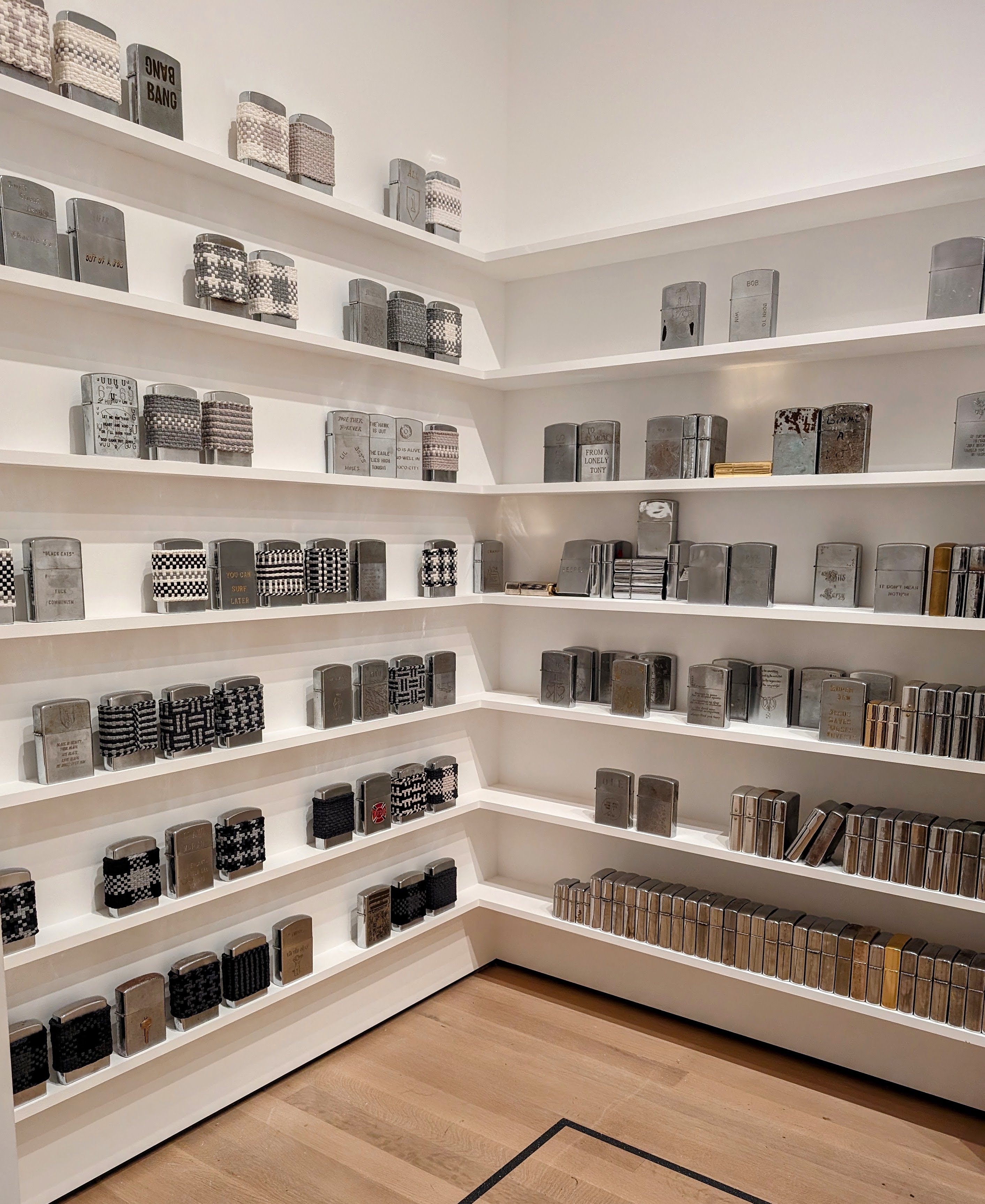
From An-My Lê’s Two Rivers at Moma, January 2024
  • An-My Lê, Two Rivers; MoMA, NYC – My first exhibit of the year, while in town on an impromptu trip around APAP, also coincided with a Members guided tour with a curator of this fascinating mix of installations, sculptures, and photographs drawing lines between war games and her family’s exodus from Vietnam, smashing decades and locations together in ways that included art history and a point-of-view. Staggering.
  • Various Artists, 24/7; Seventh Son Brewing x 934 Gallery – This ticked every one of the senses of community I’m often hungry for – Seventh Son’s welcoming spirit, 934’s interest in mixing up artists of various backgrounds and styles, and a use of the space that still sticks with me.
  • Various Artists, Y’all Don’t Hear Me: The Black Appalachia; University of Tennessee Downtown Gallery, Knoxville – It’s odd writing this blurb right after hearing the great poet Nikki Giovanni died since Big Ears Festival was the last place I saw her read (her hometown, to a packed 1,000+ room at the Mill and Mine), and this group show in tribute to Giovanni they put together the next year was already echoing in my mind. A beautiful cross-section of the black community in Appalachia that doesn’t get spoken of as often as it should and dazzling work.
From Y’all Don’t Hear Me, UT Downtown Gallery, Knoxville, March 2024
  • Kara Walker, Back of Hand; Poetry Foundation, Chicago – Any time I get to see new Kara Walker, I’m overjoyed and the Poetry Foundation was the ideal space for these gargantuan, moving works on paper.
  • Nicole Eisenman, What Happened; MCA, Chicago – I knew a little of Nicole Eisenman’s work but this retrospective did an astonishing job of putting the scope of her interest, her tweaking of art and social history and the way that history and community are vitally important. A show that reminded me to love the world over and over again, without shirking any of its ugliness.
  • Laura Sanders, Her Habitat; Contemporary Art Matters – Finally made it to Rebecca Ibel’s new downtown gallery this year, which was as strong as her previous space. The enormous canvases in Sanders’ show hit me with the way every scene feels suffused with light from the inside out. These paintings feel hyper-realistic at first but – like the plays of Annie Baker or Branden Jacobs-Jenkins – the realism almost bends into surrealism as it gets to a deeper psychological truth.
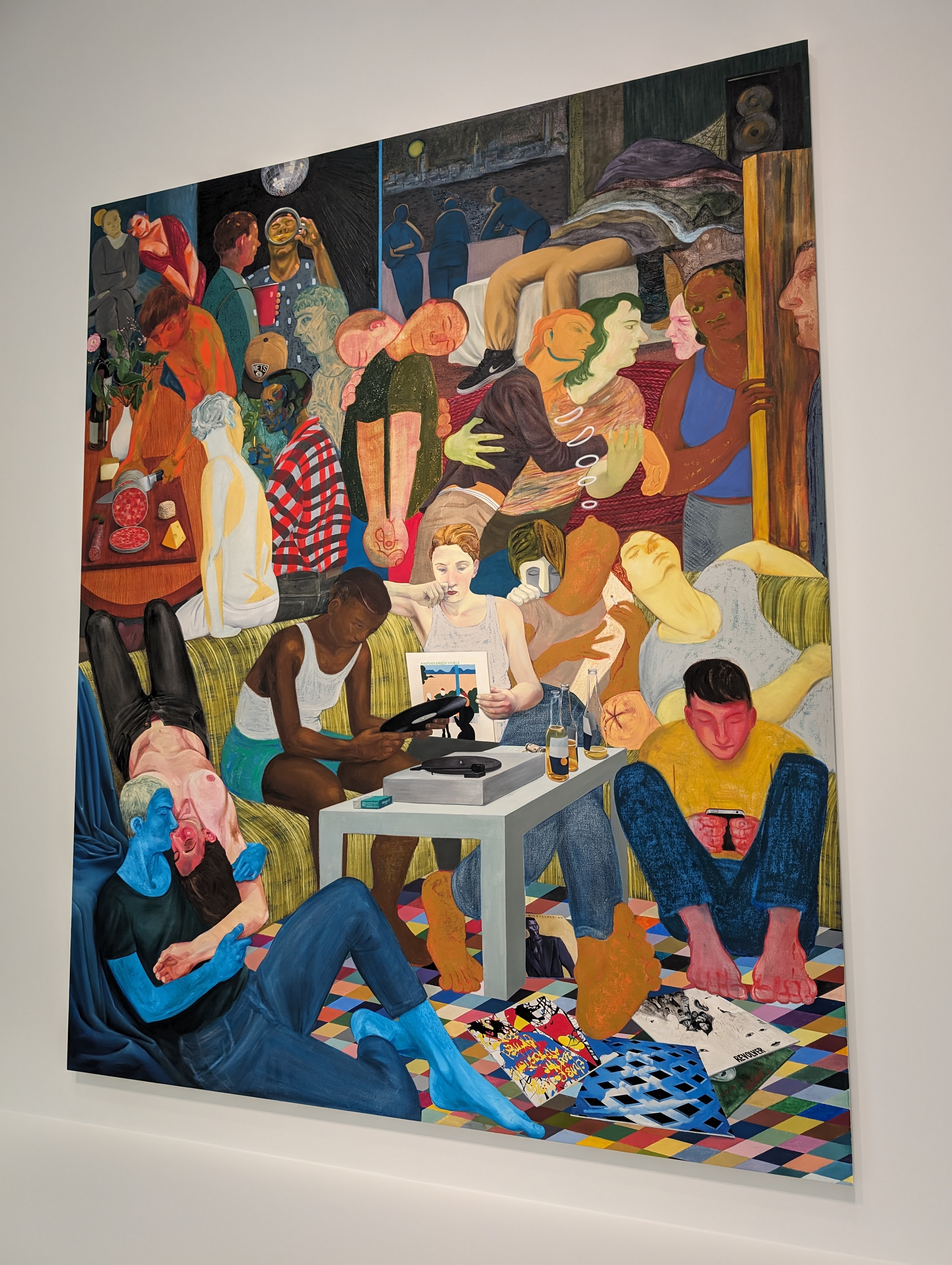
Nicole Eisenman, MCA, Chicago, April 2024
  • Pallavi Sen, Dream Time; No Place Gallery – No Place Gallery has been the most consistently striking – for my tastes – gallery in Columbus for years and Pallavi Sen’s watercolors surging with overlapping patterns and an intriguing sense of repetition, was a highlight of everything I saw this year; I went back three times and never got it but loved sinking into these shapes.
  • Joan Jonas, Good Night, Good Morning; MoMA, NYC – This was the finest example I’ve ever seen of translating performance art – especially the way documentation changed over the decades – into a formal museum space. Gargantuan, overwhelming rooms that conjured the power and intensity of Jonas’s work but also made room for intimate, punch-you-in-the-face direct interaction with these pieces.
  • Various Artists, The Harlem Renaissance and Transatlatic Modernism; Metropolitan Museum, NYC – I’ve been enamored by The Harlem Renaissance since a middle school English teacher turned me into Langston Hughes and Zora Neale Hurston, but this exhibit took the visual arts component of that movement – artists I knew pretty well like Archibald Motley and James Van Der Zee, and so many who were outside of my radar – and connected it to the larger world in a way I spent hours in and could have spent twice as long.
  • Melissa Zexter, Momento; Secret Studio – Secret Studio has turned me onto more of my favorite artists over the last few years than any other Columbus gallery. Melissa Zexter’s embroidered photography struck a nerve with me immediately while opening up an entire universe to me.
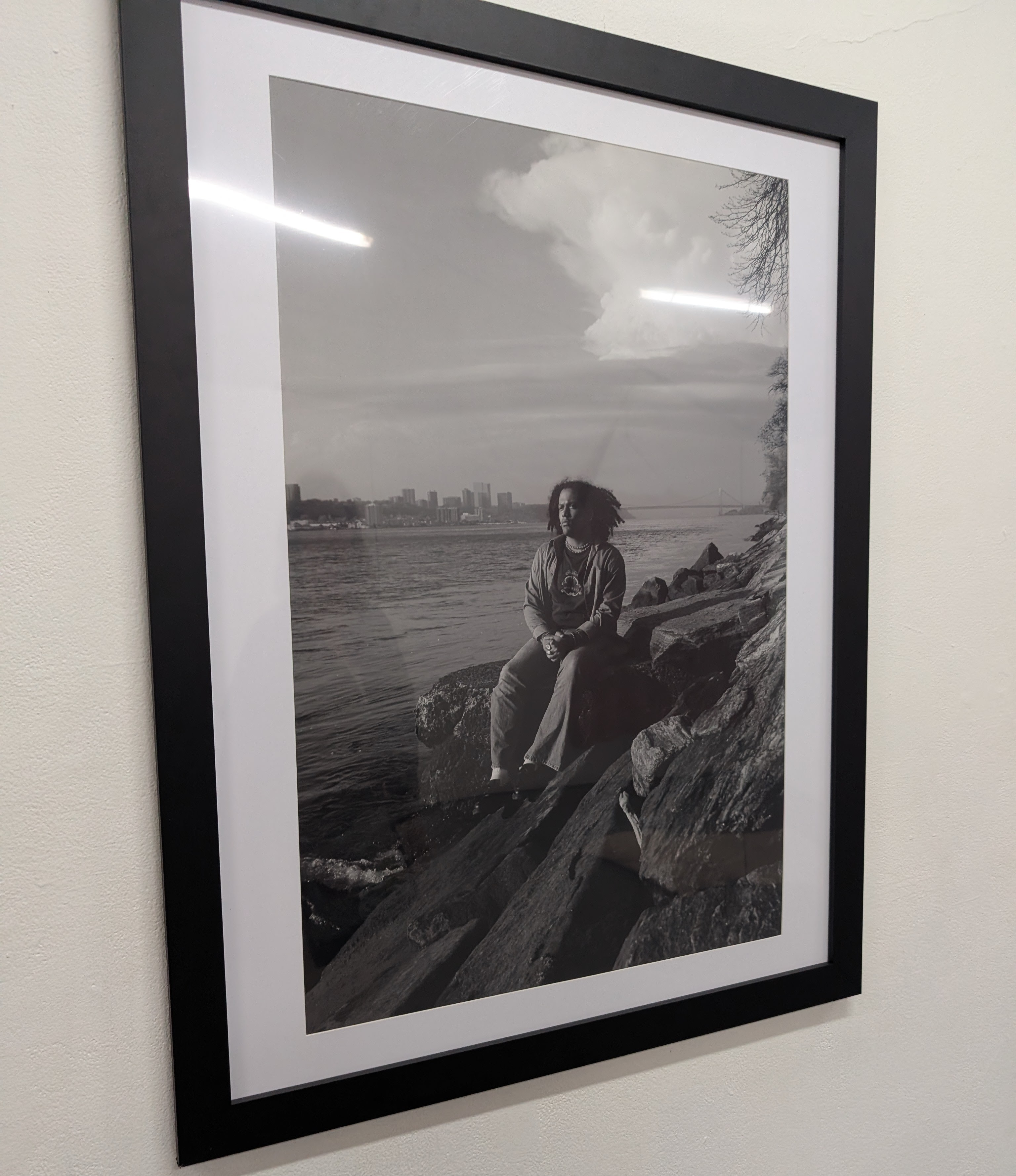
  • Various Artists, Clouds Are So Beautiful That I Can Bite My Toes; Skylab – This group show curated by Amari-Grey was an exposure to younger artists I didn’t know before walking through that door with work that knocked me sideways individually but built power and beauty through the conversation among them. Ducking out of the – also great – street fair atmosphere below, celebrating the massive hanging art Current and with my favorite DJs The Coming Home spinning into something knottier, more ambiguous, but still a celebration of life, was a reminder of how crucial Skylab has been as a place, a reminder, as Sun Ra said, “There are other worlds they have not told you of; I wish to talk to you.”
  • Ming Smith, August Moon and Transcendence at the Columbus Museum of Art; Wind Chime at the Wexner Center for the Arts; and Jazz Requiem – Notations in Blue at the Gund Gallery at Kenyon University – Having all three of these venues present Ming Smith (not born in Columbus but grew up here, not far from where I spent my childhood in the Hilltop) and showing different sides of her art was my single favorite visual art experience this year. The early trip to Africa juxtaposed against the stellar new installation at the Wex, the personally chest-cracking-open look at the Hilltop and the Ohio State Fair in 1989 in Transcendence, and the deep dive into Pittsburgh through the lens of August Wilson in August Moon at CMA, and the perfect conjuring of traveling and jazz icons, many of whom she knew personally, in these Bresson-y moments at the height of their power juxtaposed with the pause right before or right after being on stage at the Gund. This was probably one of the top ten experiences of my life, going through galleries and thinking about art. The kind of work that holds up just as much nerding out with people deep into their critical bag and taking my Mom and watching her be dazzled.
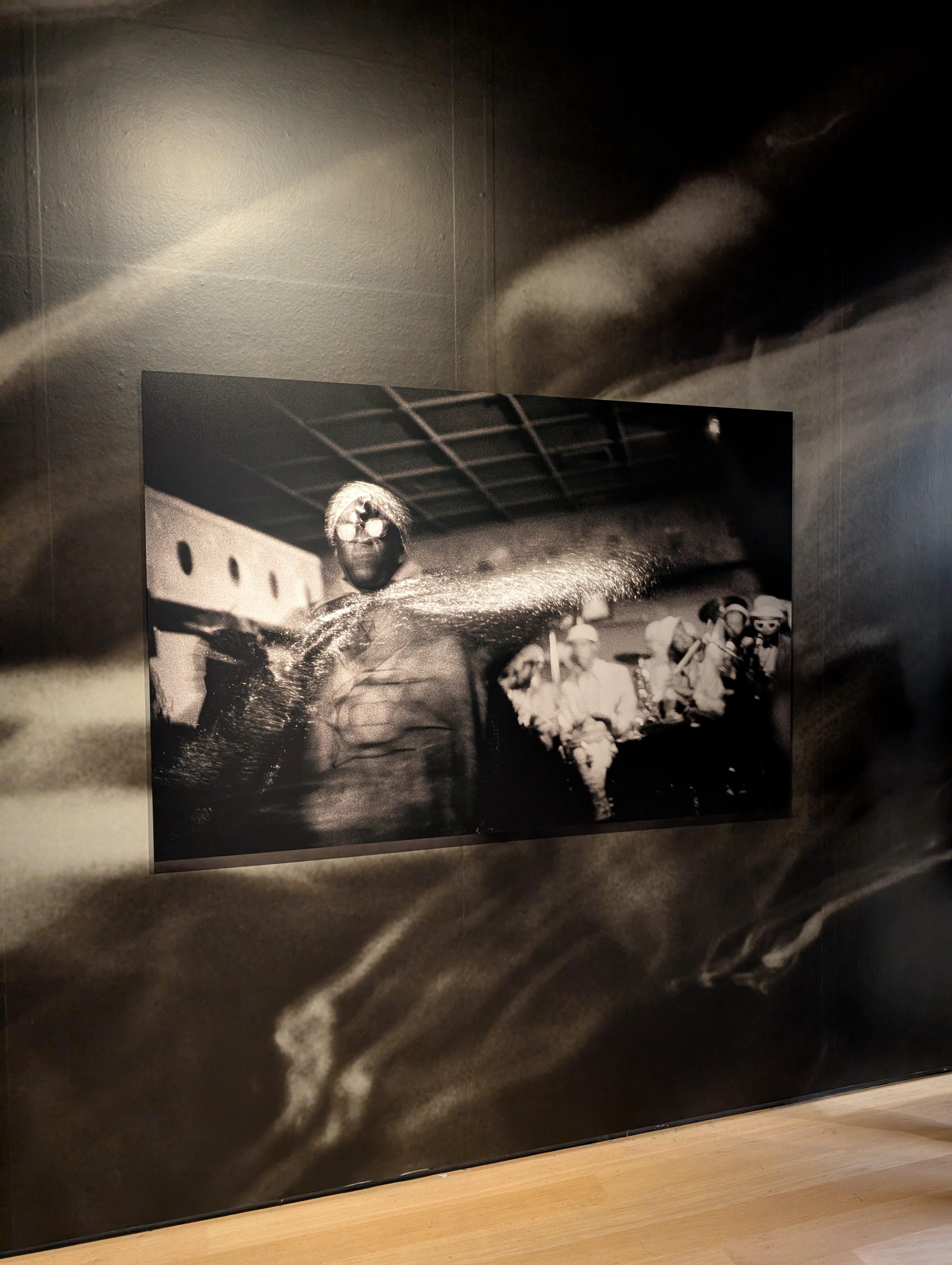
Ming Smith, Jazz Requiem – Notations in Blue at the Gund Gallery, November 2024
  • Rotimi Fani-Kayode, Tranquility of Communion; Wexner Center for the Arts – Another photographer whose work I knew slightly but this broad yet hyper-focused look at his work, curated by Mark Sealy, the director of Autograph, the London space/collective Fani-Kayode co-founded, was an explosion of myth (in a larger sense and also self-mythologizing), desire, fury and beauty.
  • Hannah Fitzgerald, There Are No Lies That Change the Version of You I Had; Urban Arts Space – Among my favorite parts of what Urban Arts Space has been bringing to town are artists I may have seen one piece of in a group show, and giving them a wider space to spread out. My favorite example of that this year – and there were several contenders – was Hannah Fitzgerald’s bodily, disorienting sculptures that recalled Louise Bourgeois, Paul Thek and Alina Szapocznikow, but with a completely unique feel and powerful point of view as they unpacked her relationship with her Mother.
  • Andrea Morales, Roll Down Like Water; Brooks Museum, Memphis – The Brooks in Memphis always has something that makes me overjoyed I made a couple of hours for it whenever I’m in that city I love, and they outdid themselves with this magnificent show of photographer Morales, one of the best explanations of Movement Journalism I’ve ever walked through and one of the most beautiful examples of clear-eyed empathy. Every turn I made here hammered me in the sternum.
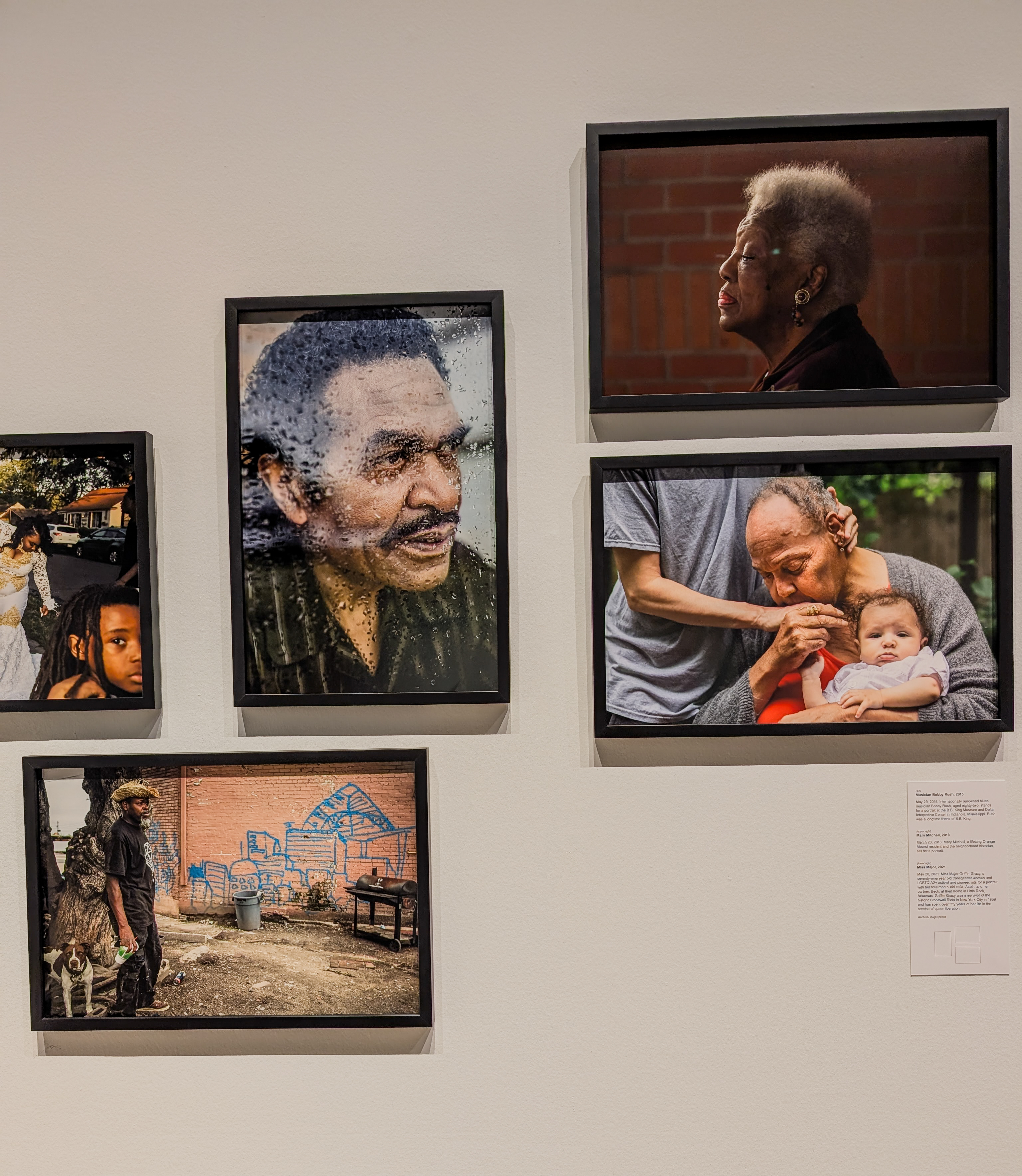
Andrea Morales, Roll Down Like Water at the Brooks Museum, Memphis, September 2024
  • Lester Julian Merriweather, Ana*Log; Crosstown Arts, Memphis – Another favorite spot in Memphis over the last several years is the Crosstown complex, the rare renovation of an older building (once an enormous Sears distribution center) that feels like it’s doing things right, including its art gallery, classrooms, public radio studio, and clinic. This first exposure to Merriweather’s canvases winked at Jack Whitten, one of my favorites who I’m surprised I don’t see more influence from throughout the art world, but in a contemporary and personal way. These collaged and gridded abstractions struck a deep chord in me.
  • Cameron Granger, 9999; Queens Museum, NYC – I’ve been a fan of Cameron Granger for a few years – his show at No Place Gallery made my Best Of in 2022 and I still think about it and a film screening he set up at 934 Gallery last year, so I had to make it to the Queens Museum for his first solo museum show. This so far exceeded my expectations it left me floating through the park back to the train and – in a weekend I saw so much work that rocked me – may have been the finest thing I saw in those three New York days. The film at the center of the exhibit reminded me of the potential I saw in science fiction as as kid, to make metaphors real and force us to confront them, to explode our histories and our anxieties, and that only rarely delivers on.
  • Elizabeth Catlett, A Black Revolutionary Artist and All That It Implies; Brooklyn Museum, NYC – An artist I’ve loved for a long time, this expanded my understanding of Catlett into other genres and media and (as was a theme for so much of the work that stuck with me over the course of this year) and a beautiful example of empathy that’s not mushy or soft-focused.
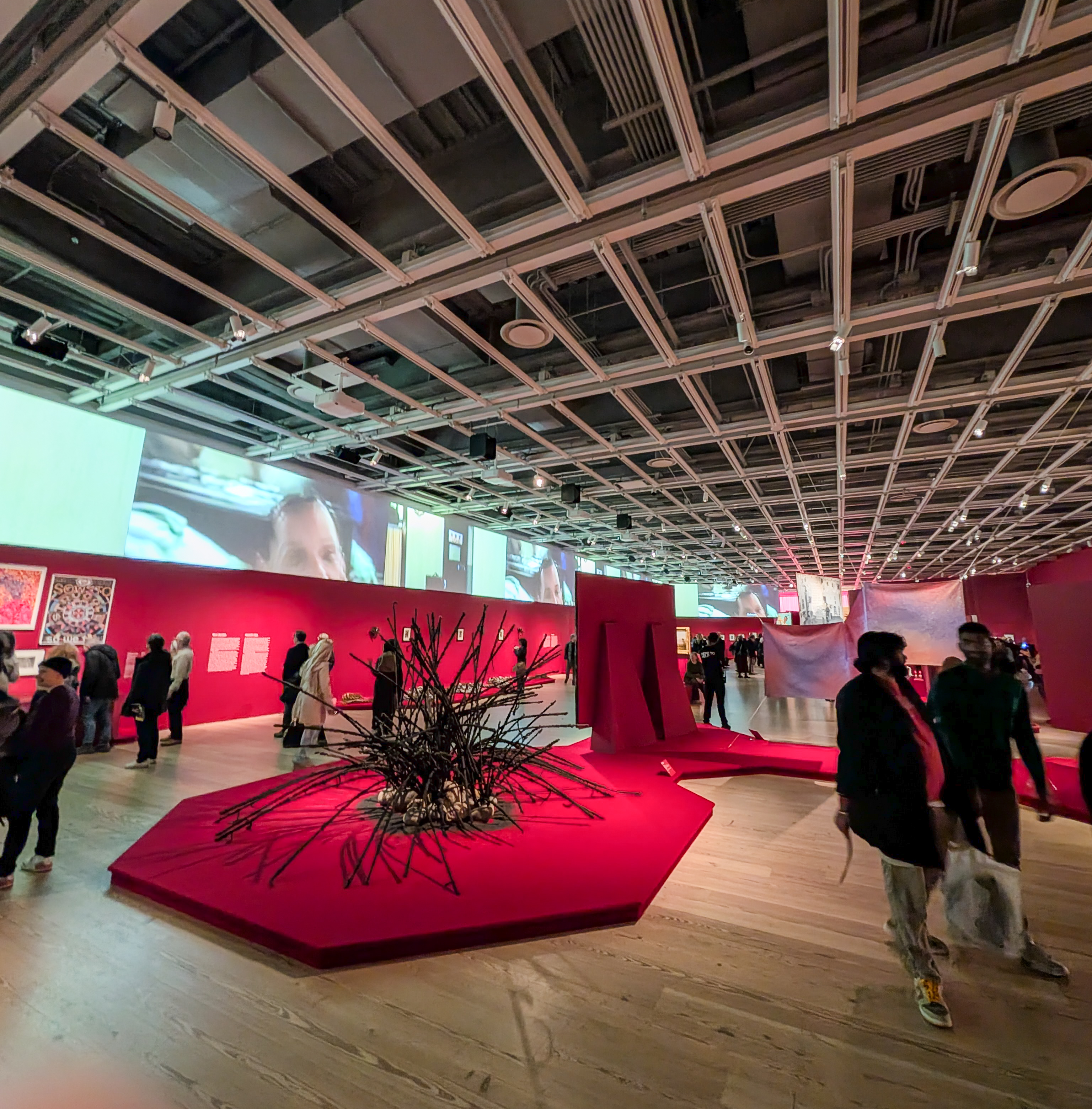
Edges of Ailey, Whitney Musem, December 2024
  • Alvin Ailey and Various, Edges of Ailey; Whitney Museum, NYC – Alvin Ailey cast a long shadow over pop culture, not just dance, in a way only a few choreographers have, and this Whitney exhibit did an astonishing job putting him in context and dialogue with influences, peers, the social world of New York, and the AIDS crisis, in a joyous and painful explosion that highlighted the craft and struggle of the work and the power and ecstasy of being in this big gallery with one another.
  • Various Artists, Luna Luna: Forgotten Fantasy; The Shed, NYC – Props to Anne for finding this, I only knew this recreation of Andre Heller’s Modern Art Carnival was displayed in New York. The best use of enormous art space The Shed I’ve ever seen, and a remarkable act of love in restoring these delightful pieces.
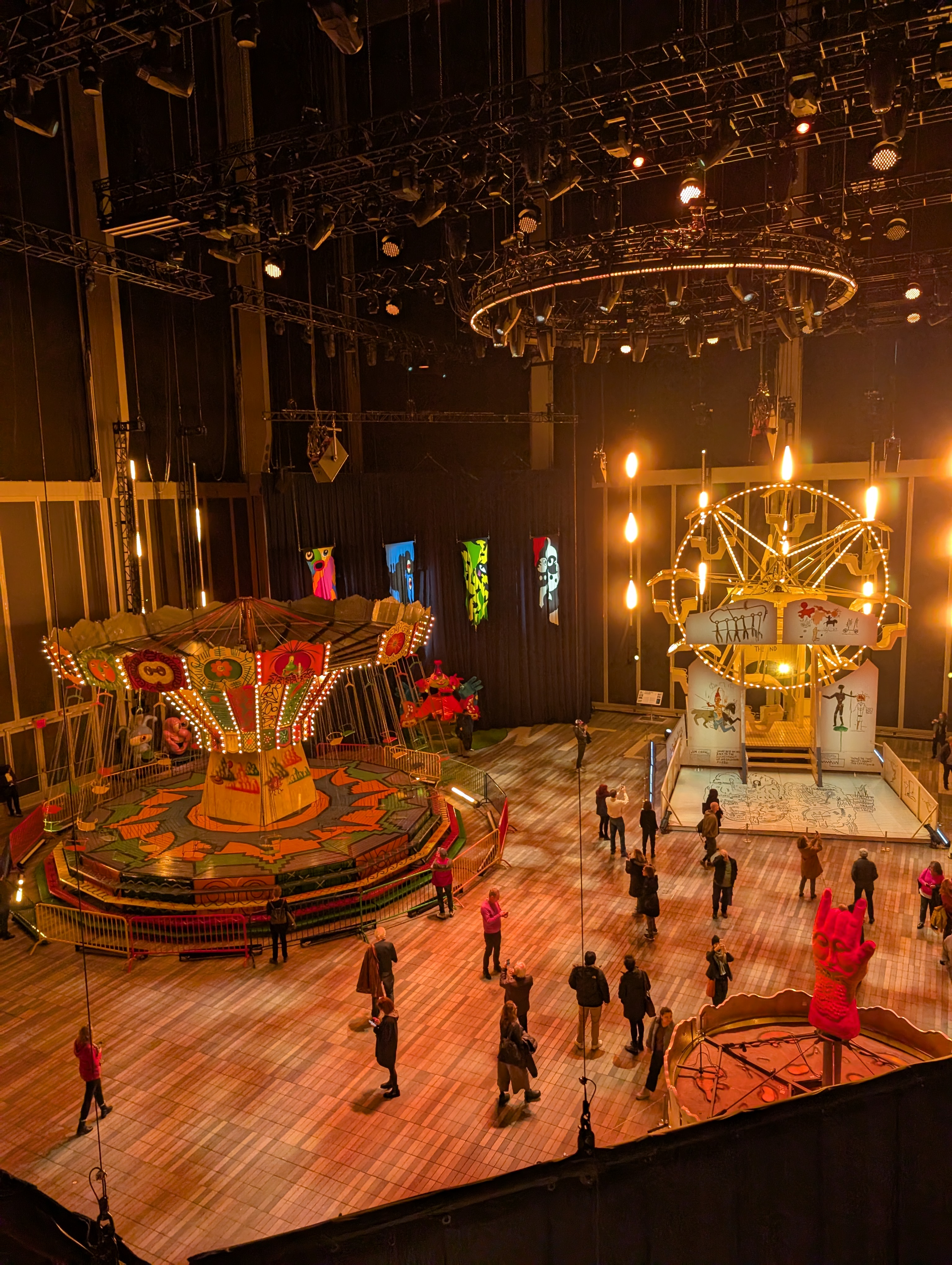
Luna Luna: Forgotten Fantasy at The Shed, December 2024
Categories
Best Of visual art

Best of 2021 – Visual Art

Aminah Robinson, Raggin’ On, Columbus Museum of Art

Interestingly – and don’t get me wrong, I greatly appreciate the efforts to shift to digital, distanced forms of presentation – the one medium of art I couldn’t really connect with online while we were locked down was visual art. Painting, sculpture, mixed-media all get the lion’s share of their impact on me from being in the room, breathing in the same space, seeing how much weight and density the work has, its presence.  

So, the combination of not being as worried breathing in the same air as my fellow people – though I always took precautions – and the connected relief of being able to travel again, along with reconnecting with my town, meant I saw about 55 exhibits over six cities. These are the 20 that made my heart sing, my blood run cold, or both; that wouldn’t let me go. These are unranked and in chronological order. 

Everything below is in Columbus and any photo is taken by me, unless otherwise noted. 

Anila Quayyum Agha, Cincinnati Museum of Art
  • Various Artists, November (Beeler Gallery) – The Beeler is one of my favorite spaces in Columbus and too often gets left out of the conversation, with consistently provocative commissions and group shows that benefit from the thoughtful combustion of the various works in conversation with themselves, with the CCAD Institution, with Columbus, and the world. Curator Dean Taylor exemplified all these qualities, suffused with a dread and uncertainty created for 2020 and still reverberating into February where my visit, my grappling with these deep feelings, made a sheet of ice crack inside of me. 
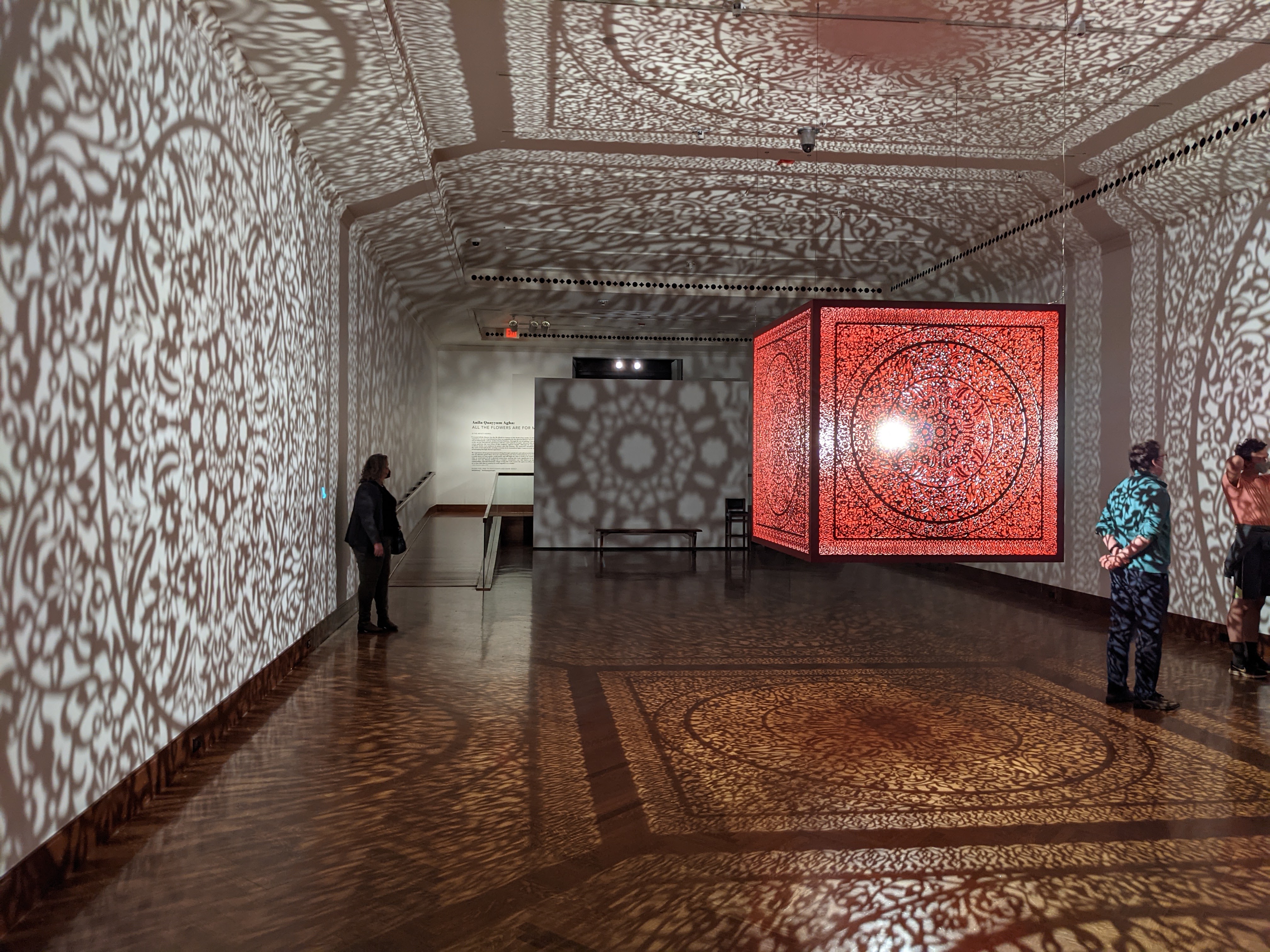
  • Anila Quayyum Agha, All The Flowers Are For Me (Cincinnati Art Museum, Cincinnati) – Stil only partially vaccinated, we went to Cincinnati for my birthday, as much outdoor and distant fun as we could muster in late March. Even under some constraints, it felt good to be out of town, dining on patios, and going to a couple of my favorite museums. Of everything Anne and I saw, I mulled over Pakistani-American artist’s meditative, expansive work, a steel-cut cube created to slice light in shadows inspired by Islamic architecture and classical art. 
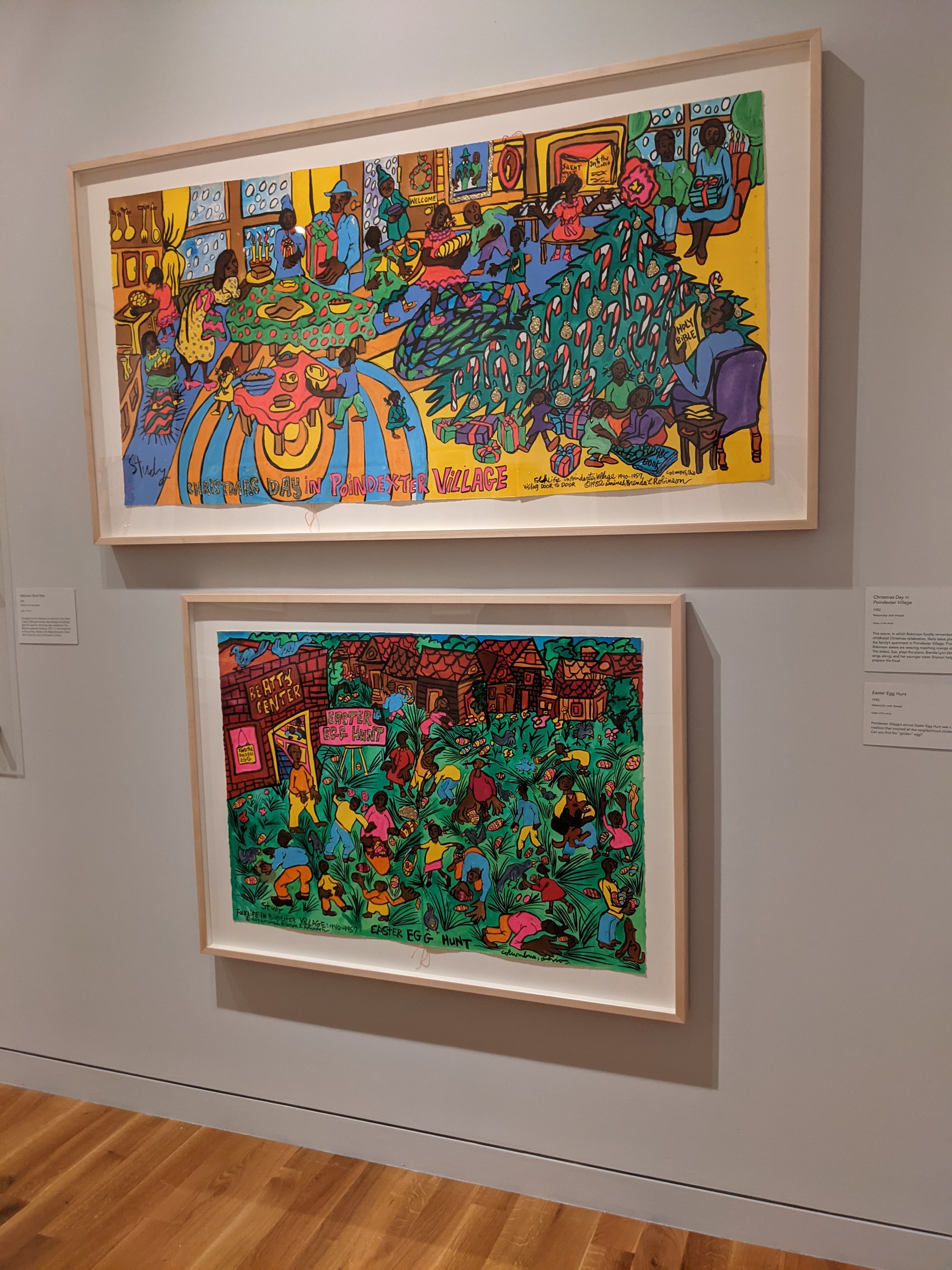
  • Aminah Robinson, Raggin’ On (Columbus Museum of Art) – Sometimes it’s too easy to take the giants in our midst, the legends we grew up with, for granted. For too much of my youth I bristled at hearing about Aminah Robinson or James Thurber or George Bellows, though I loved their work, because I worried about how Columbus looked under a reductive lens. I’ve gotten over most of that but there are still some lingering “I know all there is to know” feelings. Within five minutes of walking into this gorgeous, immaculately curated (by Carole Genshaft and Deidre Hamlar) retrospective of one of our great artists, I was reminded I was a fucking idiot to even think that. This first retrospective since Robinson’s death hit her principal preoccupations, her recurring themes, and highlighted both the variations, the deep studies of character and place, the chimerical and literary qualities of her work, as well as the consistency of her work, in quality and thematically. I went to this three times and kicked myself for not going a dozen more. In a better world, this would have toured ten cities on three continents – as it is, it’s a stunning testament to the value of donating your estate to your local art museum. 
  • Various Artists, Partially Buried: Land Art in Ohio 1970-Now (Columbus Museum of Art) – Another thing I chafed at through its Ohio ubiquity as a kid? “Indian mounds.” Which I lumped land art in alongside. It took my fine arts major roommate, who idolized Andy Goldsworthy, to not only shake me out of that but show me how lucky we were to have such a tradition of it in Ohio. Anne’s enthusiasm for it later fully unlocked my appreciation, and this synthesized the tradition in a way I came back to soak in more than once. Anna Talarico’s curation drew deep lines from Robert Smithson’s seminal work that gave the exhibit its name to contemporary work like my pal Brian Harnetty’s sound piece “Forest Listening Rooms.” This was a stunning slice of history reminding us of the Faulkner line “The past is never dead, it isn’t even past.” 
Alun Be, CAM Raleigh
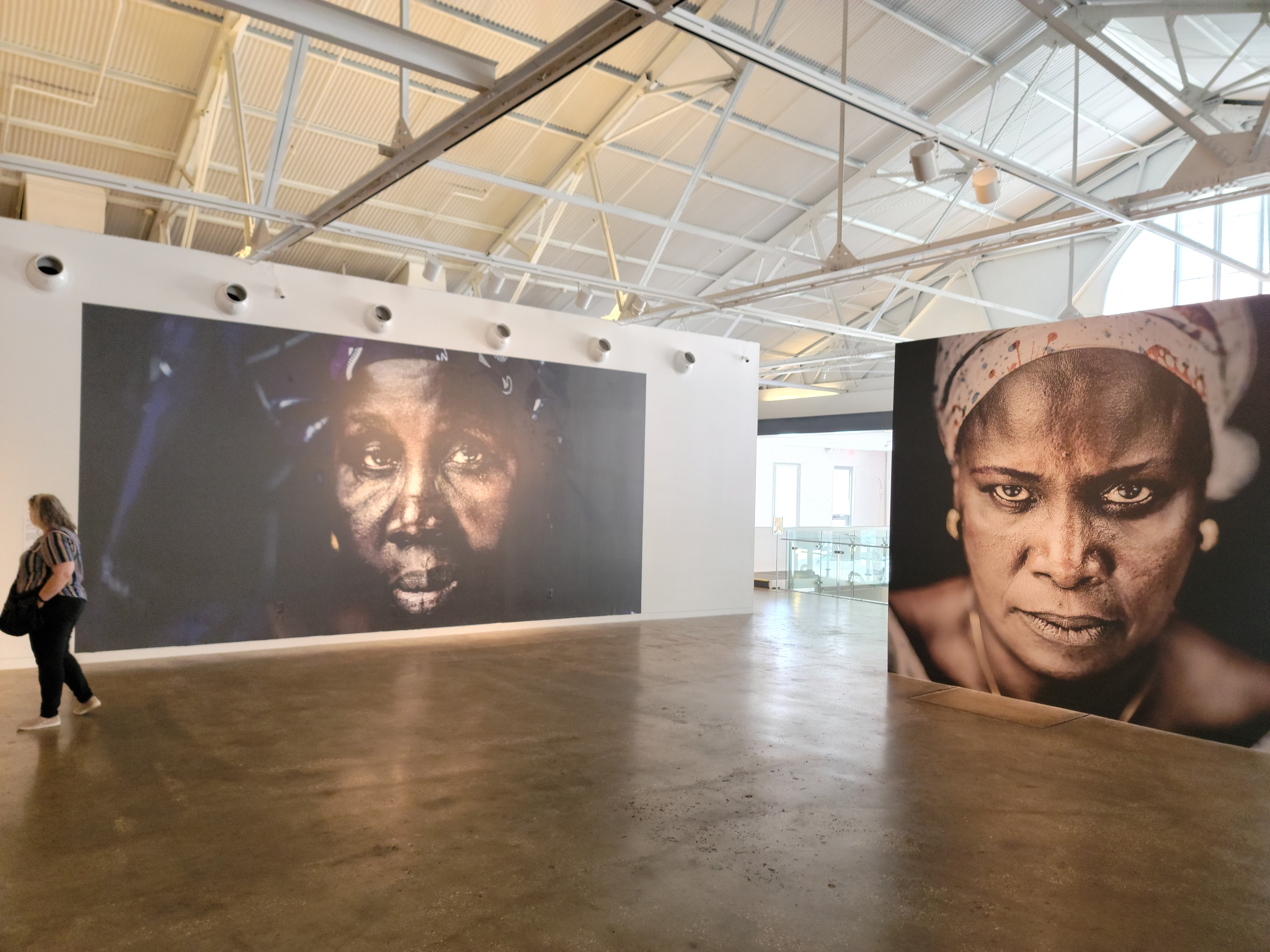
  • Alun Be, Perseverance, Pride, Power (CAM, Raleigh) – These enormous photos, in close up, of women by Senegalese photographer Alun Be, knocked the wind right out of my lungs. Taking up whole walls at Raleigh’s Contemporary Art Museum, the June sun filtered by clouds through the giant windows, gave a glimpse of a whole world, whole stories these women inhabit and embody. It made the museum glow like a holy temple and a reminder of how connected we are and how important it is to hold to that connection without falling into some namby-pamby “We’re all alike” bullshit. This was a crucial reminder to respect and understand other people’s differences, their different paths, their different dreams. And a reminder to try to start with love and with a desire to understand. 
  • Kennedi Carter, Flexing/New Realm (CAM, Raleigh) – One of the other two exhibits at CAM, Carter’s work was new to me and hit me almost as hard. Sharing some commonalities with Kehinde Wiley’s paintings linking contemporary black culture with classical portraiture of European royalty, there’s a deeper psychological cant to her photographs I had a hard time looking away from. 
  • Lynn Hershman Leeson, Twisted (New Museum, NYC) – All three exhibits at the New Museum this trip made an impression on me, but Leeson’s mixed media pieces reminded me of all the promise of science fiction growing up, a truly speculative art that centers people. Enraptured by the promise of new discoveries and spectacular frontiers but with an eye toward the way the future can widen and exacerbate pain and inequality, and the entropic tendency of it to do just that if we let the same bastards hold the wheel. 
Alice Neel, Metropolitan Museum
  • Yayoi Kusama, Cosmic Nature (New York Botanical Garden, NYC) – I raved about Kusama a couple years ago in Cleveland, and many years back at the Whitney. She’s the kind of blockbuster, crowd-pleasing artist with so many layers and such a love of things that are messy, are complicated, that there’s always something to unpack. Pairing her work with the Bronx’s beautiful New York Botanical Garden was a perfect fit, the art and the nature vibrating together, feeding each other, giving enough surface for the selfies but enriching for the rest of us. 
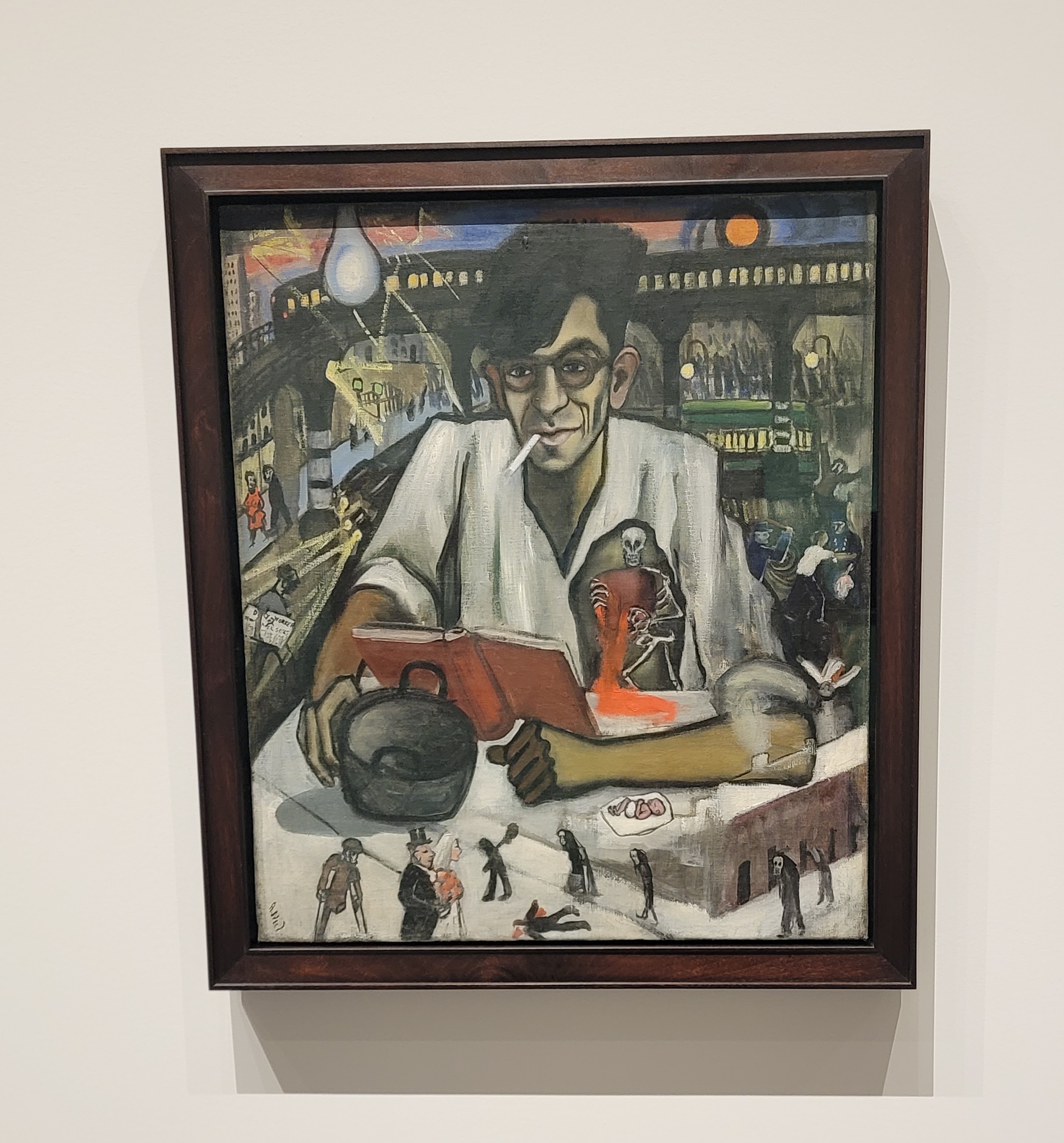
  • Alice Neel, People Come First (Metropolitan Museum of Art, NYC) – I don’t remember the first time I saw Alice Neel’s work, but my fandom bloomed with Hilton Als’ retrospective focusing on her time in upper Manhattan at David Zwirner a few years ago and hit overdrive when I read the terrific biography by Phoebe Hoban (or did those go in the other order?). This retrospective was exactly what I go to the Met for, the kind of expansive, deep dive I’ve loved since my first trip to this temple of art to see El Greco. Neel’s ability to center people in her art and her life, to make sure her subjects are seen without judgment, is a benchmark I sometimes fuck up but always try to shoot for. And the work is gorgeous beyond reckoning.  
Julie Mehretu, Whitney Museum
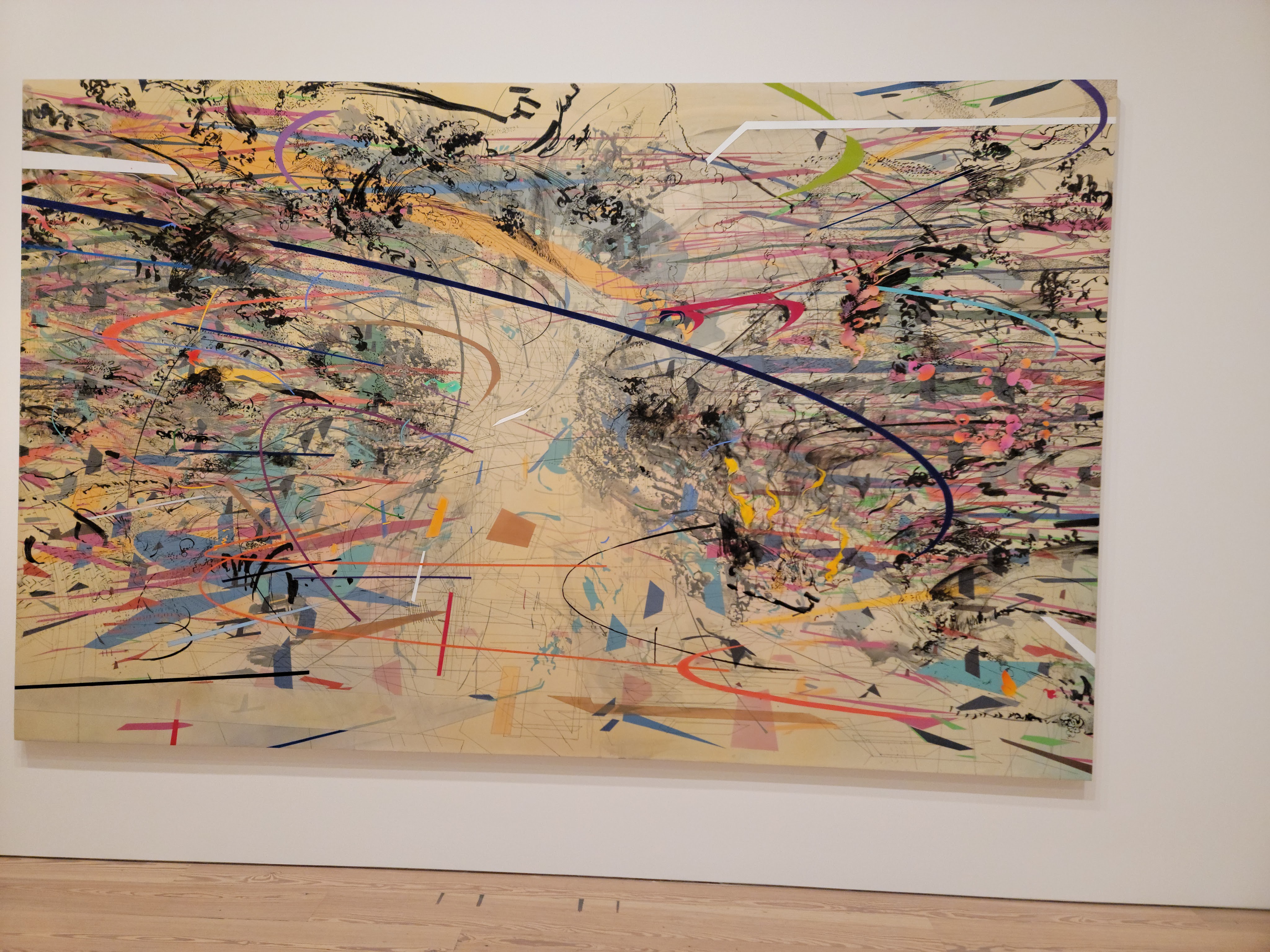
  • Julie Mehretu, Julie Mehretu (Whitney Museum, NYC) – I’d seen a couple pieces by Ethiopian artist Julie Mehretu before, but this dazzling retrospective shone light on her unique style of abstraction and her way of viewing the world as a collection, a melange, maps that feel right but don’t draw a linear story. One of the most vital, vibrant abstract painters I’ve been turned onto in many years. 
  • Dawoud Bey, An American Project (Whitney Museum. NYC) – Another vital eye on the current moment, Dawoud Bey’s work struck me as soon as I saw it. This retrospective showed his incisive, open-hearted approach from his ‘70s portraits in Harlem to the mysterious, speculative landscapes evoking underground railroad passages from 2018. Seeing this the day after Alice Neel and these artists decades apart, though they overlapped, finding ways to center humanity in their art, was awe-inspiring. Anne and I posted up at Radio Bar and talked about this for an hour after. 
  • Various Artists, Ashcan School Prints and the American City: 1900-1994 (Cleveland Museum of Art, Cleveland) – I overloaded on the Ashcan school as a kid, partly because of Columbus native George Bellows’ prominence in it and partly because I was drawn to a level of social realism. Some time away from that let me see this terrific retrospective at the Cleveland Museum with fresh eyes and I was stunned by the breadth and intensity of that work and its uniquely American patina.  
Axis Mundo, MOCA Cleveland
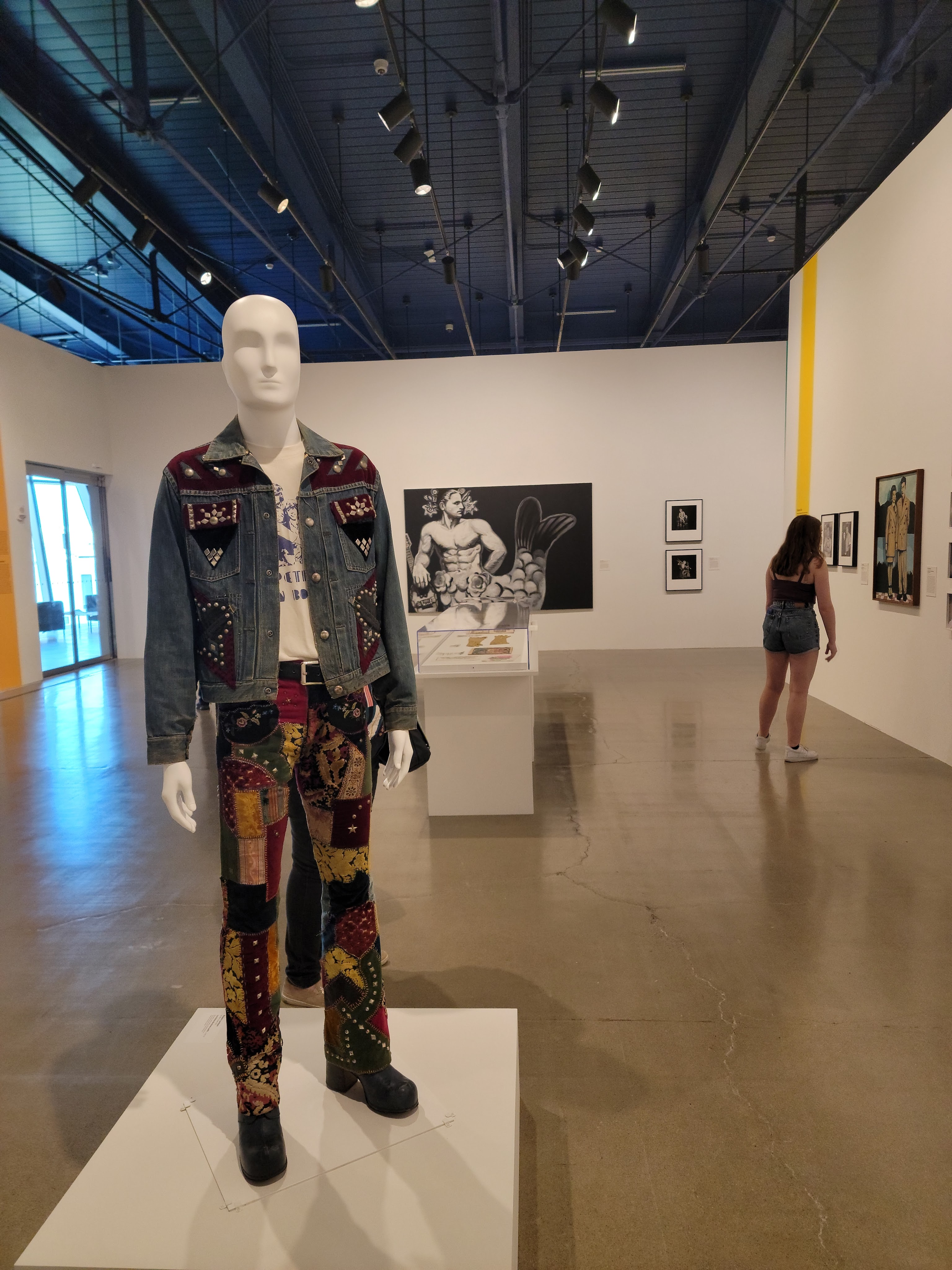
  • Various Artists, Axis Mundo: Queer Networks in Chicano LA (MOCA, Cleveland) – This MOCA exhibit made a series of puzzle pieces fall into place in my head. I knew how impactful the Latinx communities were on Los Angeles history and especially that punk scene I grew up idolizing. Until this, I hadn’t seen something that tied the various LA art scenes together so sharply (in the way I’ve seen a million books/exhibits/articles do for New York of the same time period) and emphasizing seeing these scenes through a Chicano lens, immaculately curated by C. Ondine Chavoya and David Evans Frantz. This set my hair on fire. 
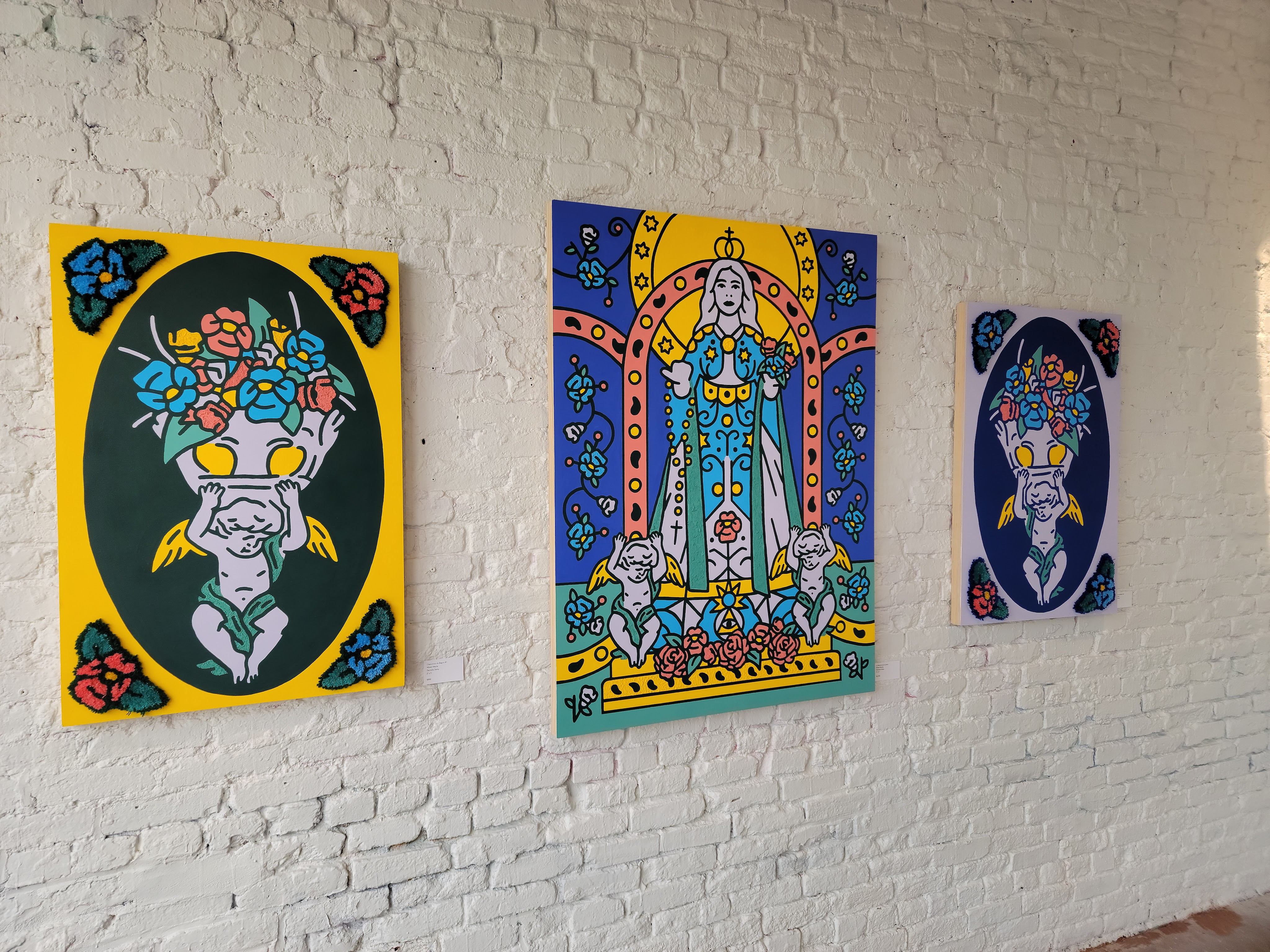
  • Danielle Deley and Allison Baker, Home (934 Gallery) – 934 Gallery is one of the Columbus gems and when I stopped at their 934 Fest I had the chance to check out a fantastic exhibit – Home – that placed Danielle Deley’s huge-canvas explorations of her Catholic background in dialogue with Allison Baker’s razor-edged investigations of what we think of as domesticity and women’s work in dialogue with each other and the space. 
Danielle Deley, 934 Gallery
  • Wayne Thiebaud, Wayne Thiebaud at 100: Paintings, Prints, and Drawings (Dixon Gardens and Gallery, Memphis) – In all my trips to Memphis, including repeated visits to the botanical garden, Anne and I hadn’t yet made it to Dixon Gardens and Gallery. We corrected that this trip – it reminded me of a Southern Frick – with a stunning retrospective of Wayne Thiebaud. His looks at urban landscapes, the sensual pleasures of food, and the rapidly changing 20th century struck a particular pleasure center for me I’m not sure any other art did this year. 
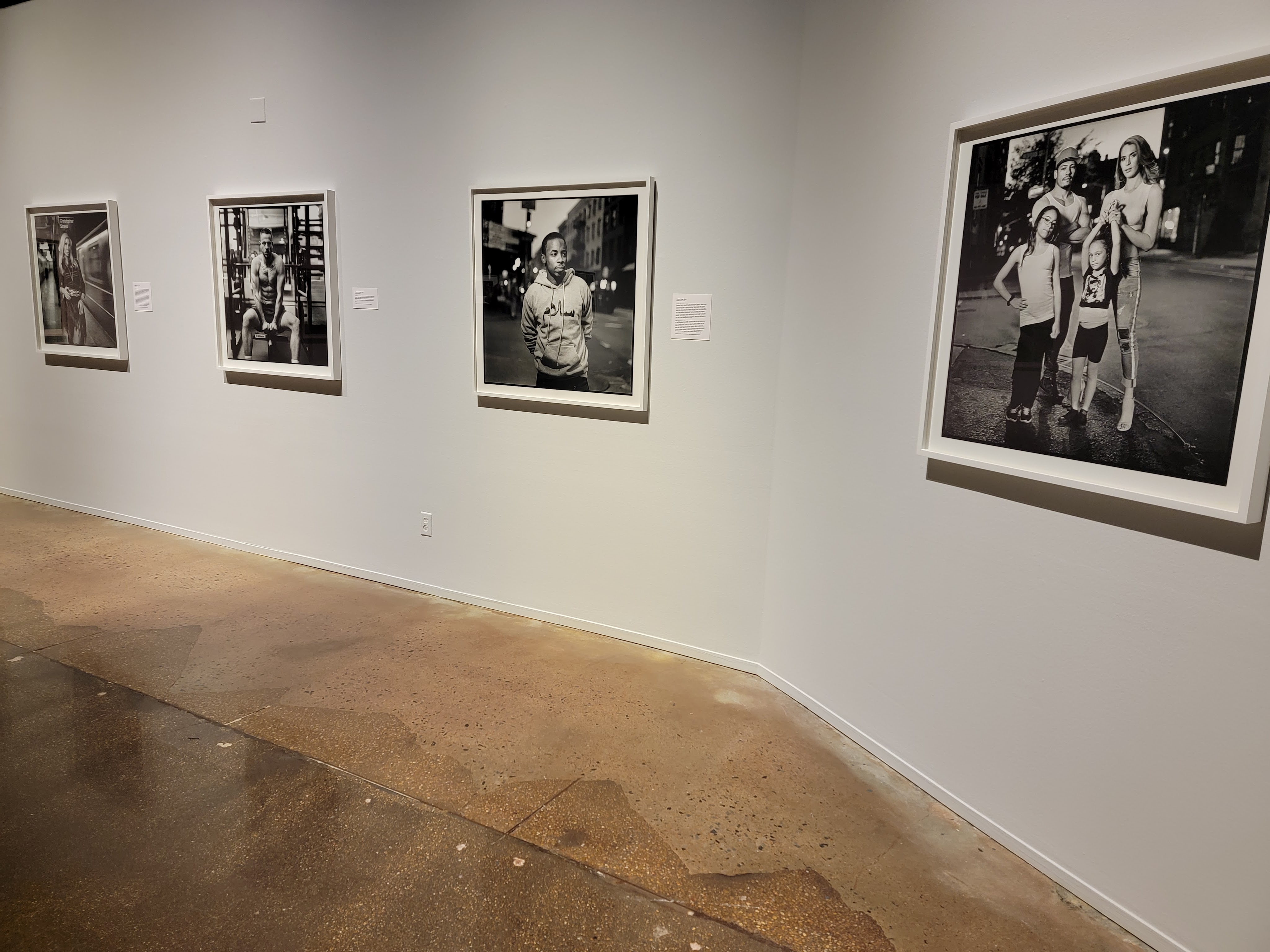
  • Mark Selinger, On Christopher Street: Transgender Portraits (Brooks Museum, Memphis) – The Brooks has become one of my favorite museums over repeated treks to Memphis and they’ve got a particularly good eye for photography exhibitions. This year, Selinger’s (whose work I knew from GQ) contemporary look at the storied cobblestones of Christopher Street and its transgender residents and visitors blew me away. A moving look at connection without trying to underplay their differences, another reminder at the powerful capacity for empathy visual art possesses. 
Mark Selinger, Brooks Museum, Memphis
  • Nina Katchadourian, To Feel Something That Was Not Of Our World (Pizzuti Collection of the Columbus Museum of Art) – This fascinating exhibit delved into the survival memoir Survive the Savage Sea, with translations of the book, excerpts, life-size drawings of tortoises and whales, audio recordings, and printed messages exchanged between the artist and the family. It’s a beguiling look at what makes us survive, what keeps people from giving up, and family in the best sense, atomized and displayed in ways I didn’t expect. 
  • Bruce Robinson, Flutterby (Pizzuti Collection of the Columbus Museum Art) – The other exhibit in the Pizzuti Collection was longstanding CCAD professor Bruce Robinson’s work. Motion is at the center of all these pieces, some abstract, and this had an interesting resonance for me with the other people-centered exhibits I saw this year. There’s a special bravery and a special open-heartedness in including your friends, your community, in your work that has to encompass your feelings for them but also stand outside of your specific experience. This helped reinforce all the feelings I grasped for all year. 
Bruce Robinson, Pizzuti Collection of the Columbus Museum of Art
  • Carol Stewart and Janice Lessman-Moss, Still Is Still Moving (Hammond Harkins Gallery) – I don’t stop at Hammond Harkins that often but the sunny Saturday afternoon I popped in wowed me. These two carefully chosen artists, both of whom have histories with the gallery and with Columbus, sparked against each other, leading me on a long, fascinating conversation with the gallery employee/attendant/manager who was there at the time. Lessman-Moss’s textile pieces used metallic thread for contrast in stunning geometric patterns. Stewart’s still lifes actually made the artifice in any still life concrete for me in a way I’m not sure I’ve ever seen – the deliberate placement of everything in the picture frame was done with intention and deliberation but – like Jeff Wall’s photographs – that artifice makes them more intriguing and more full of life, not stiffer. These two approaches, talking to each other across the room, under the banner of the Willie Nelson lyric the show is named for, left me chewing on them for weeks. 
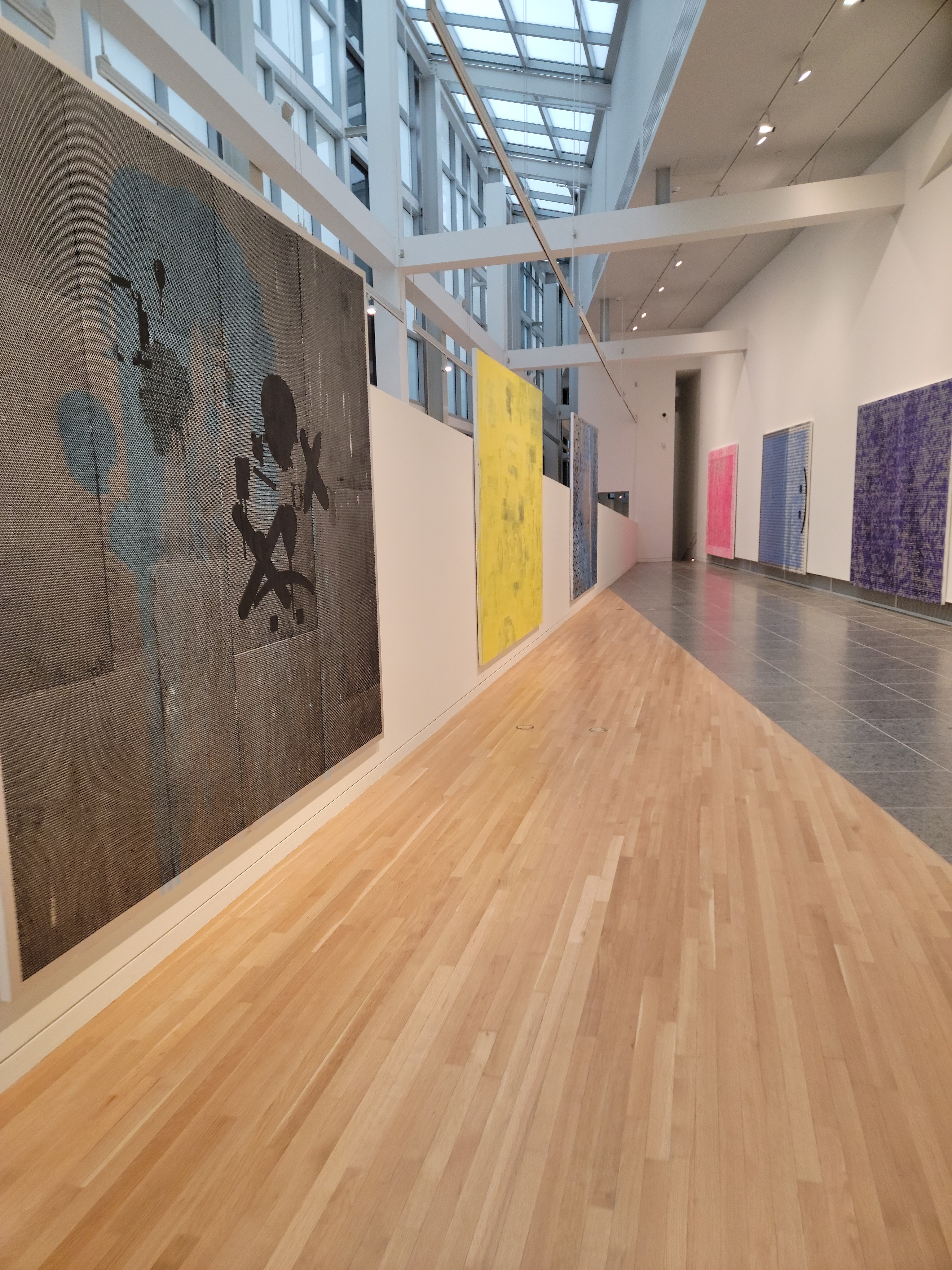
  • Jacqueline Humphries, jHΩ1: ) (Wexner Center) – I went to see this stunning Humphries retrospective four times and I’m still not sure I got it but I loved it. I said to a friend who saw it a different time, “I felt like I was drowning but not in an unpleasant way.” These expansive abstractions of the data and metaphor we’re all swimming in are as messy and as orderly, as intense, as my first impressions of Kusama or Rothko or Agnes Martin. It’s a knockout blow to end the year on. 
Jacqueline Humphries, Wexner Center for the Arts