Categories
dance live music theatre

Things I’ve Been Digging – August 24, 2020

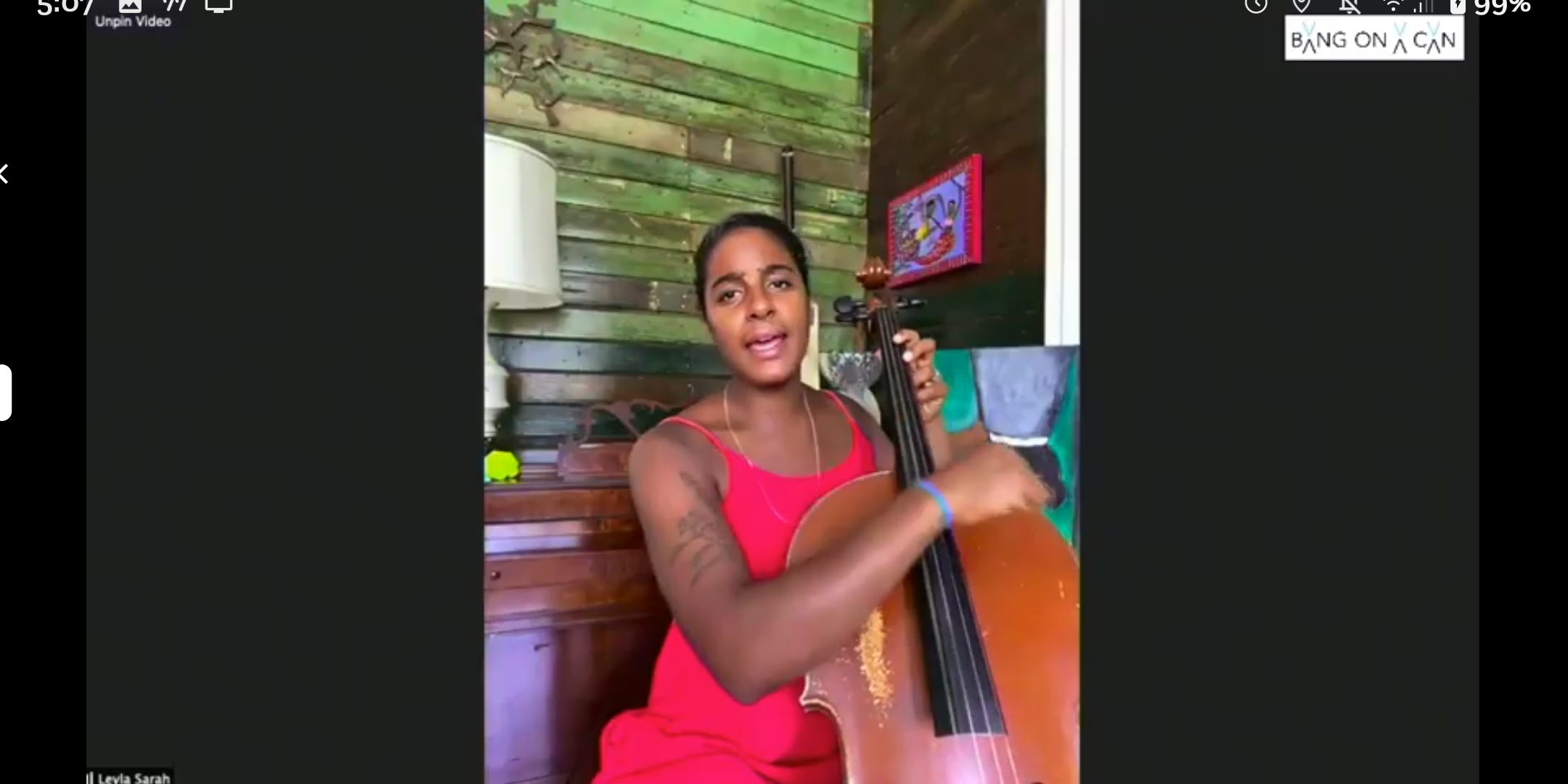
Music: Bang on a Can Marathon

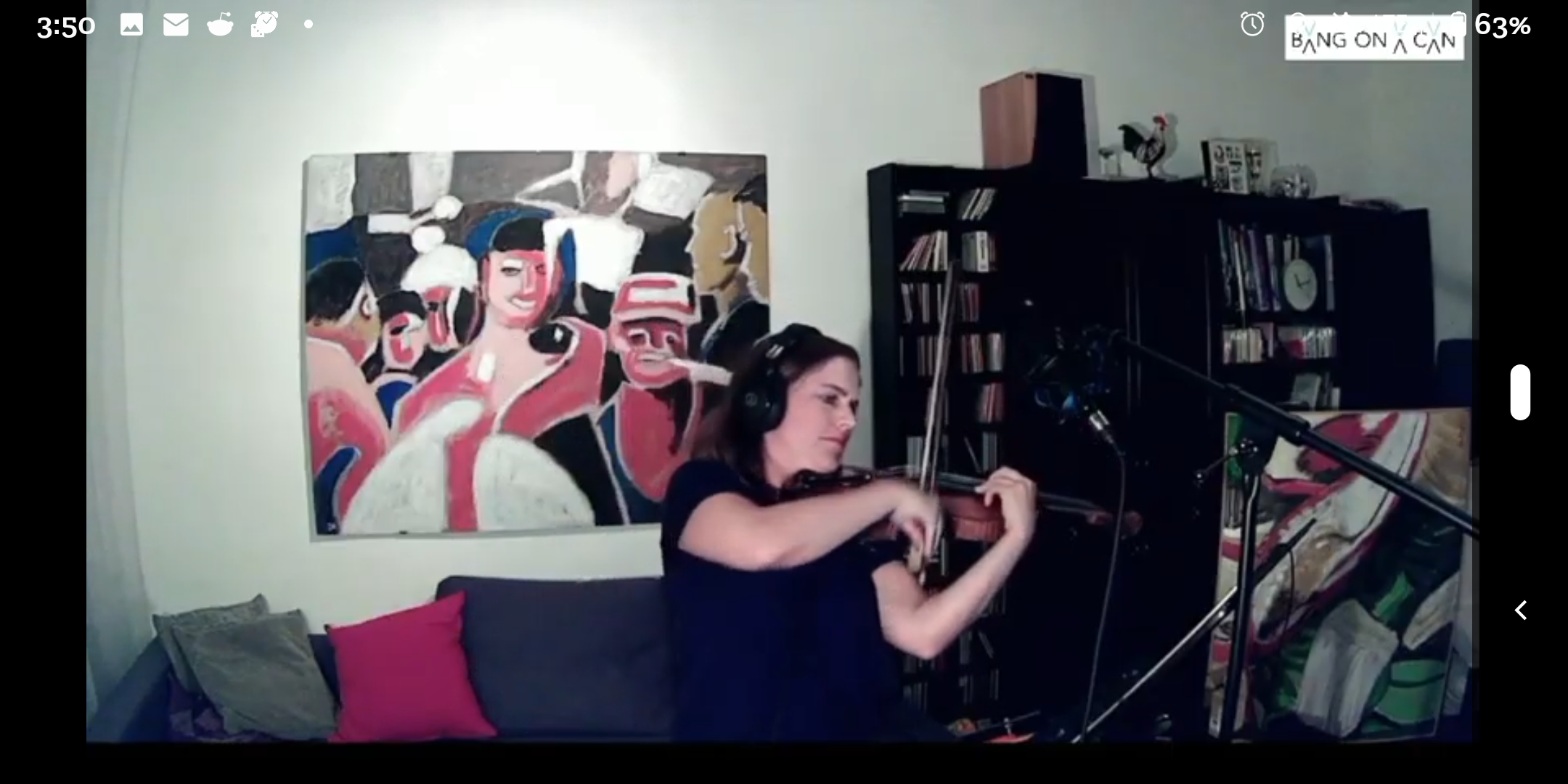
Bang on a Can’s founding composers (Julia Wolfe, David Lang, Michael Gordon) have put on a marathon of new work since the mid ‘80s and the current climate changed the marathon’s form but didn’t diminish any of its vital joy, intensity or defiance.

This, the third version I think, was as full of magic as anything I’ve been lucky enough to see since we’ve been shut inside. Highlights included Olivia de Prato’s dark and holy read of Missy Mazzoli’s Vespers for Violin, singer-cellist Layla McCalla’s songs inspired by Langston Hughes, Ken Thompson’s fiery world premiere of Nicole Mitchell’s A Much-Deserved Ass Whooping, and Jodie Landau’s beguiling version of Jacob Cooper’s Expiation.
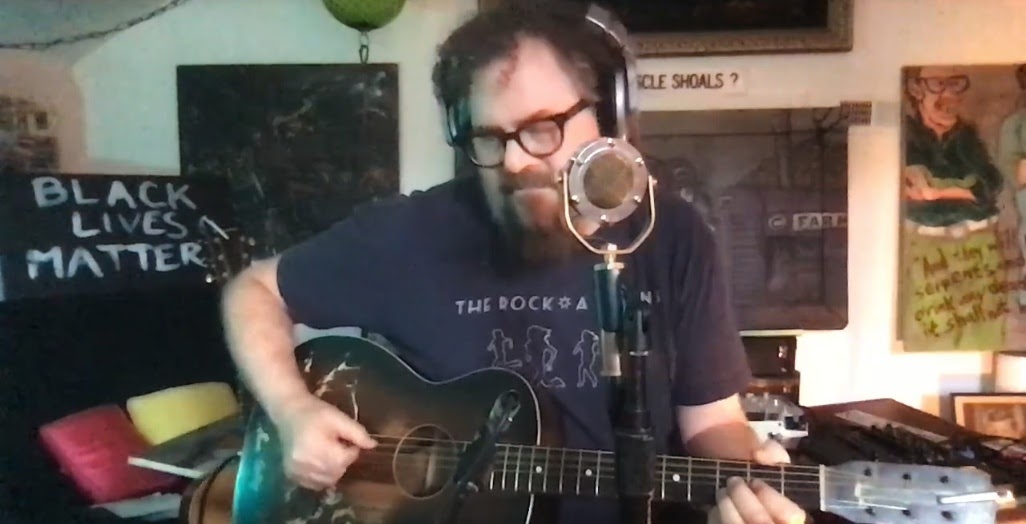
Patterson Hood, screenshot of livestream

Music: Patterson Hood

I think I first heard of the Drive-By Truckers when I was in college through the one-two punch of No Depression magazine and niche CD site Miles of Music (also where I got my first Marah records), around the time of Pizza Deliverance. I first saw them around 2000-2001 when I was down for an Anime Weekend Atlanta and it stands as one of the most electrifying live shows I’ve ever seen – for years I don’t think I missed them any time they were even close to me.

My fandom for DBT has ebbed and flowed, but they won me back big in the last two records. Patterson Hood (and partner/only other constant member Mike Cooley) has not only built one of the most consistent catalogs of songs, but he’s lit an example of how to grow up in rock-and-roll. He’s stayed true to his impulses and interests, but he left room for them to expand. He’s grown into his curiosity and let his empathy grow instead of shrink. His home-recorded livestreams during this pandemic have been a balm, like hearing from an old friend reporting back.

That said, it might make me an enormous hypocrite that my favorite of these streams so far and the one that nudged me to add it here was his delve back into “The Heathen Songs.” As he and Cooley were gestating their breakthrough Southern Rock Opera, they also wrote a flood of songs for what ended up being the next two records, Decoration Day, The Dirty South, and Hood’s first widely distributed solo disc Killers and Stars.

That was my favorite period of the band, when they shrugged off some thought-it-was-a-joke-song classic college rock feint of the first two and opened up the aperture of their view of the south, and only indulged the big guitar jamming sporadically, with songs that ripped my heart out at the same time I was partying with my friends on the dancefloor.

This trip back down memory lane had a clear eye for what those songs meant to him at the time – particularly on his “divorce trilogy”: “Hell No I Ain’t Happy,” “(Something’s Got to) Give Pretty Soon,” and “Your Daddy Hates Me” – and what the songs mean now. That delicate balance between catharsis and wryness gained new, slippery facets on the driving-hot-nails elegy of “Do It Yourself,” “And some might say I should cut you slack, but you worked so hard at unhappiness. Living too hard just couldn’t kill you, so in the end you had to do it yourself.”

The long – almost two hour – set hit his winking nods on “George Jones Talkin’ Cell Phone Blues” and “Uncle Disney” and a hilarious shaggy dog story wrapped around a talking blues about an early tour involving one of the Columbus’s greatest bands and my dear friends (and, clearly, Hood’s) The Lilybandits.

Hood also put in a plug for Lilybandits singer Todd May’s current gig with Lydia Loveless and spoke with love about Wes and Jyl Freed, the recently deceased Carl Dufresne and Todd Nance, and other friends – famous and not. That love littered the set like the confetti from the war we all should be lucky enough to fight and luckier to survive.
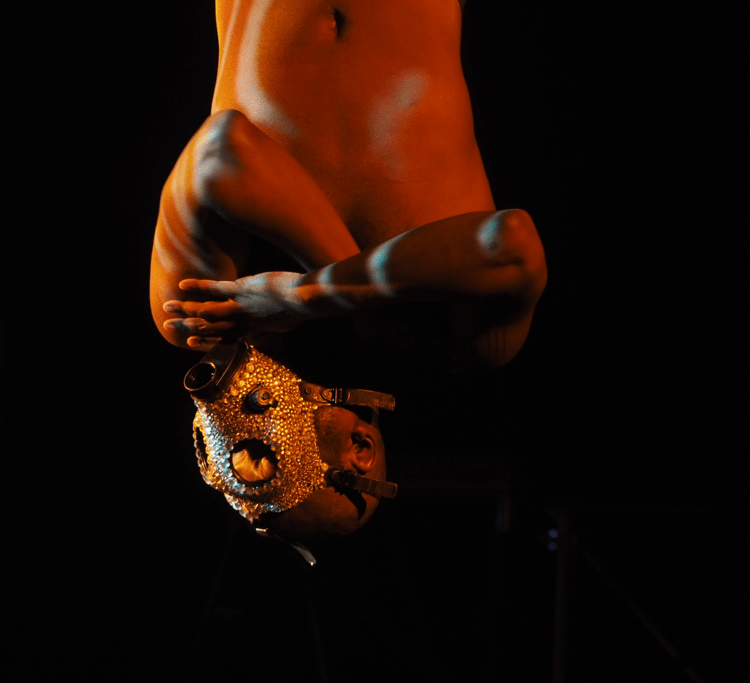
Jaamil Olawale Kosoko, from the artist’s official website

Dance/Theater: Chameleon: A Biomythography by Jaamil Olawale Kosoko

Kosoko was in Columbus in late 2018, touring his hypnotic epic of intimacy, Séancers, at the Wexner Center. While in Columbus, he took advantage of a Wex residency grant to help develop his new piece Chameleon. When I interviewed Kosoko for a preview of Séancers, we talked at length about Audre Lorde, a mutual inspiration of ours.

That inspiration flowers in Chameleon, subtitled a biomythography in a nod to Lorde’s Zami and delving into his ancestors, the pain and joy of his background and the vital chimerical work of making art and surviving as a queer, black man in the toxic nature of America. The power of memory, but also the vital, tragic tonic of forgetting.

Talking about his uncle, Kosoko reflects, “Once he told me, ‘The past will always leave a footprint,’…After his funeral, no one wanted to go inside; it was much easier to pretend he never happened. Although I had been the one to feed him, to clean him, to brush his hair, I was afraid. Not so much for him as I was for myself: for how fast my concerns shifted from keeping him alive to removing every infected memory of his existence. What scared me – and still does – is how successful I was. No one speaks his name: his voice, his laughter, are all questions; a black-bodied amnesia taken back by the ethers. Was he ever really here? On this earth? In that stank room? In that stank, angelic body? Was he ever here teaching me something about love?”

But the work isn’t just its lacerating words, it’s a melting, roiling collection of indelible images cracking the world open. And alongside that, Kosoko fully engaged interactivity, the internet and the moment, taking the snatched-away opportunities for this to premiere at Princeton and Tanz with a combination of Vimeo and Discord, context and community and dialogue. A masterpiece that left me looking for my throat and heart on the floor of this second-story room.
Categories
Uncategorized

Big Ears 2018 Day 2: Joyous Cacophony, Cries de Coeur, and Gratitude

Bang on a Can All-Stars, extra blurry from the last row of the balcony

Early afternoon in a 15 hour day of dedicated absorption, I was lucky to see one of my all-time hall-of-fame music writers, Ben Ratliff, in conversation with Damon Krukowski. Krukowski I, of course, knew from Damon and Naomi and Galaxie 500. And his book, The New Analog, is part of the current wave of big-picture music books along with books like Ratliff’s Every Song Ever and Jace Clayton’s Uproot.

But my most personal connection with Krukowski came from his publishing company Exact Change. I was in Boston visiting Mike Gamble – as I seemed to be every few months during college – and in the Twisted Village record store I found Exact Change’s edition of Morton Feldman’s writing: Give My Regards to Eighth Street. One of those books that set my hair on fire. I still have that copy almost 20 years later, beat to hell and still providing a light socket to stick my finger in when I’m stuck.

During their ranging, fascinating talk, two particular statements stuck with me. The first was Krukowski, “The thing I hear all the time is ‘overwhelmed,’ and I’ve come to question it. It’s a good, immediate thing to say. But maybe you do have time but the coordinates have changed and you can be grateful.”

In a lot of ways, this festival, full-to-bursting, is about gratitude for that abundance. I ran into a local friend and composer Brian Harnetty who called it the kid-in-a-candy-store effect. Ratliff answered a related question from the audience with, “Whatever choice you make is the right one. Wherever you are, if you commit, you’re in the right place.”

Jenny Scheinman’s Mischief and Mayhem

The overwhelming impression I walked away from Friday with was the power and joy of communication in that space and that time. Specificity.

There was a strong thread within that joy – and I use joy to encompass catharsis – about using music to actively and directly engage the outside world. A resistance to the impulse to withdraw to some easy and lonely hermetic bubble.

That began with my first set, Bang on a Can All-Stars’ selection of their Field Recordings project using commissioned compositions built around found or archival sound. Mark Stewart, the guitarist, introduced every piece by talking about where the writer found its “truth and beauty.” Calculated cacophony broke into sublime warmth. Shimmering textures from Ken Thomson’s clarinet and Ashley Bathgate’s cello shattered and turned on Vicky Chow’s perfectly placed piano depth charges and were borne aloft on David Cossin’s chunky, driving drums. The juxtaposition of the pieces shone new light on them all – Caroline Shaw’s piece, about a quilter reflecting on her craft, placed between David Lang’s ominous abstraction of sharpening knives and Steve Reich’s bitter fable “The Cave of Machpelah,” changed the texture and expanded the resonance of all three.

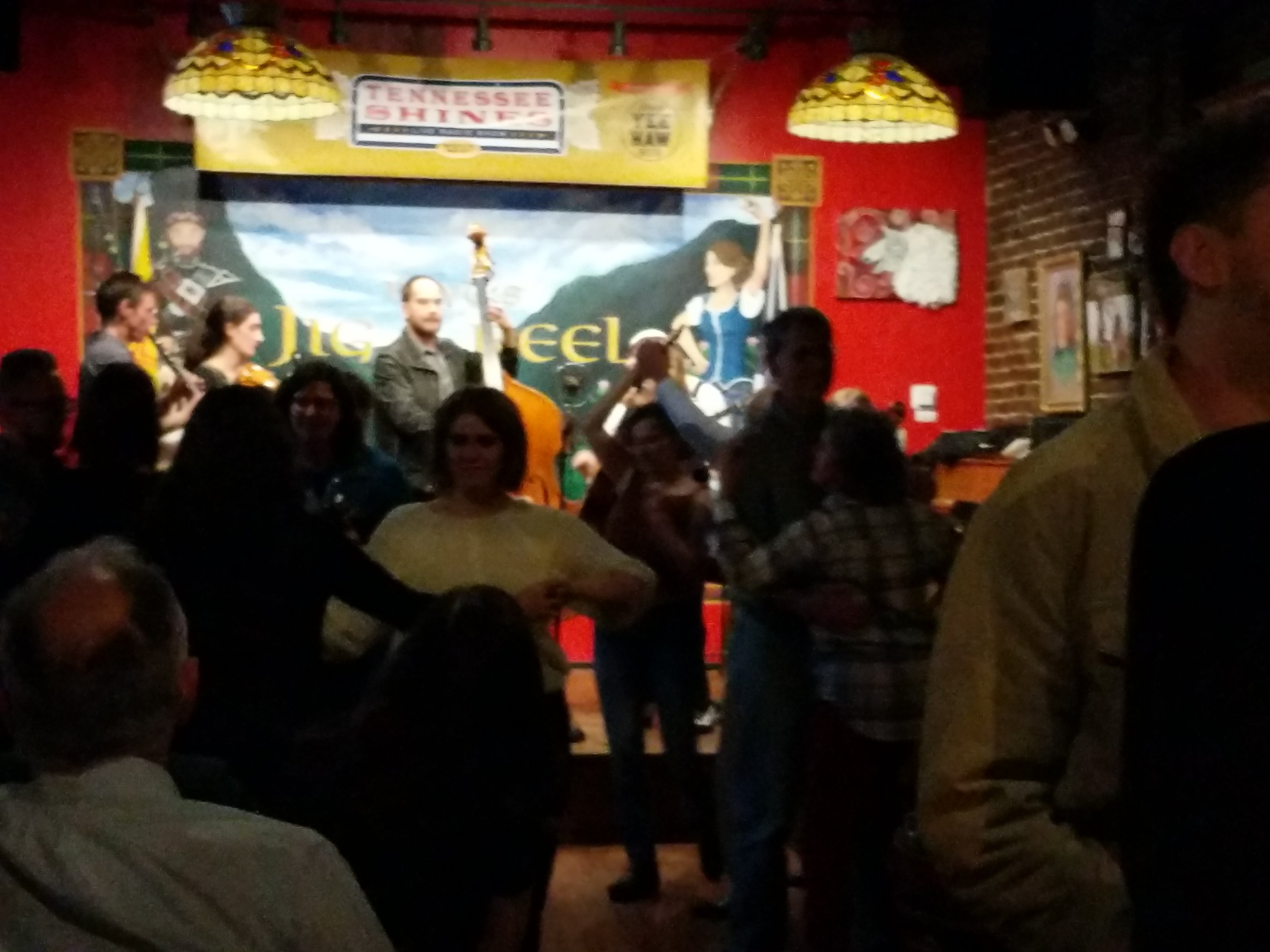
Dancing to Kristin Andreassen

That sense of playful engagement was neon-bright when I stopped at Boyd’s Jig and Reel. A terrific bar but I learned the first year that “best scotch list in town and rowdy locals” is a touch counterproductive to in-depth grappling with sound. My taste of this year’s “traditional” track came through Becky Hill and Kristen Andreassen’s Old-Time House Party. All I really knew of either artist was Andreassen’s fantastic album The Gondolier and my old pal Dave’s relentless enthusiasm for her band Uncle Earl. To say I was charmed and delighted feels like damning with faint praise – it was a magical supernova of love.

Variety show style, there was clogging (I might have misidentified it, an Appalachian analog to hoofing-style tap), dancing (including an advanced-beginner level square dance), and a flood of guests. My favorite tunes were the Andreassen showcases. “Crayola Doesn’t Make a Color For Your Eyes” featured Scott Miller’s – THE Knoxville ambassador if you grew up where and when I did – bassist Bryn Davies and rhythmic patty cake. “Meet Me Out on the Dancefloor” reassembled the earlier guests for a two-step woven with sweetness: bass, banjo, Celtic cello, ragtime clarinet, rhythm guitar, and harmonies. It was a palate cleanser, a refresh, and something I could see again and again.

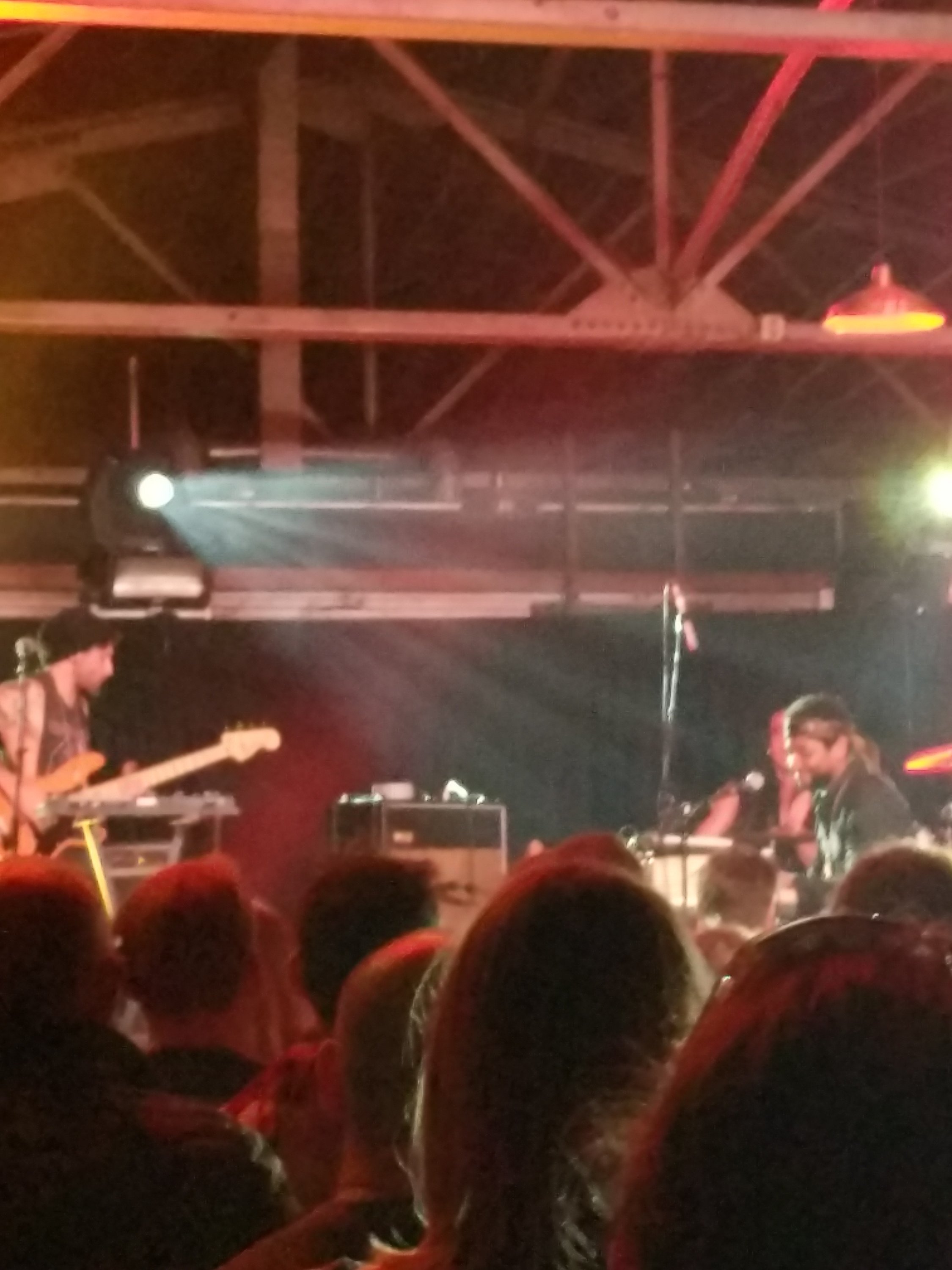
Algiers

Algiers painted that engagement with colors of resistance and witness in the foreground at The Standard. I say this with no exaggeration, they put on one of the finest rock shows I’ve ever seen. Setting the tone as they came out to drones, bathed in red light, frontman Franklin James Fisher dedicated their set to bassist Ryan Mahan “In exile in the UK.” Substitute bass player “Gary Indiana” acquitted himself brilliantly, sculpting bass lines out of molten volume, sometimes turning up so loud he just had to shake or strike the bass and layering shiny, sticky tar with synth bass. James Tong’s sensual earthquake drumming conjured Depeche Mode and the Cro-Mags as it wove in and out of loops. Lee Tesche had a similar approach to the guitar: bowing, switching to saxophone Billy Zoom-style, leavening fat riffs with acid dissonance.

Fisher’s voice and presence summed up the eternal righteous fucking of the sacred and profane that serves as the DNA of rock and roll since time immemorial. An implacable swagger and roof-shattering scream with the mix of intense masculinity and abject vulnerability as well as anyone’s executed it since Smokey Robinson and Sinatra. The kind of frontman who draws you into his fire.

The band aren’t precious about style or signifier. They play like the world is ending and there’s no time for your weak-ass conception of authenticity. A transmission sent straight from a doomed planet to the dental filings of an outcast on another doomed planet. Algiers is throwing an apocalypse party worthy of The Stooges and Funkadelic and Public Enemy but drilled and tooled for the here and now.

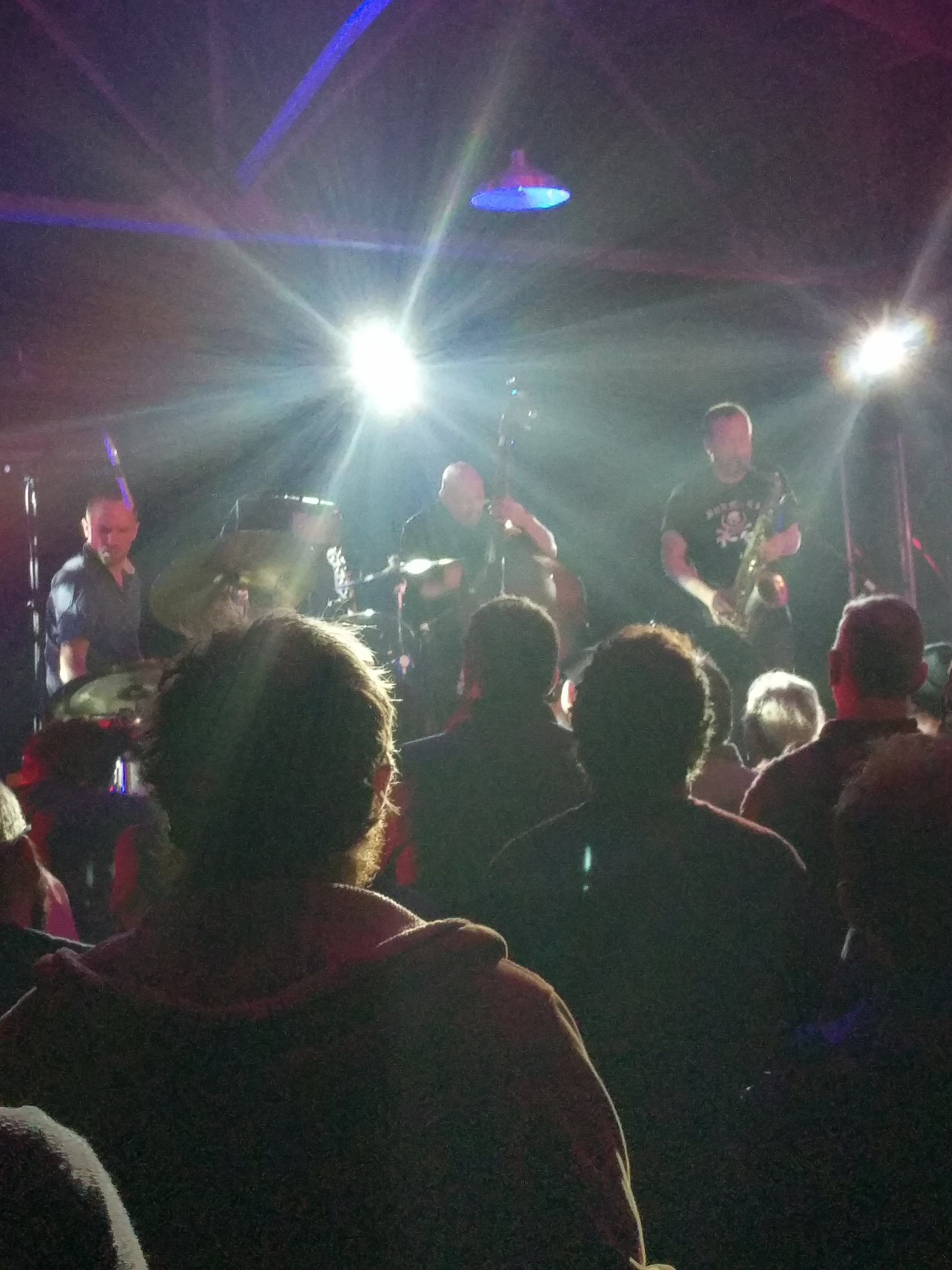
The Thing

Less directly programmatic music was also in abundance and there was no shortage of the pleasures of “pure” abstraction.

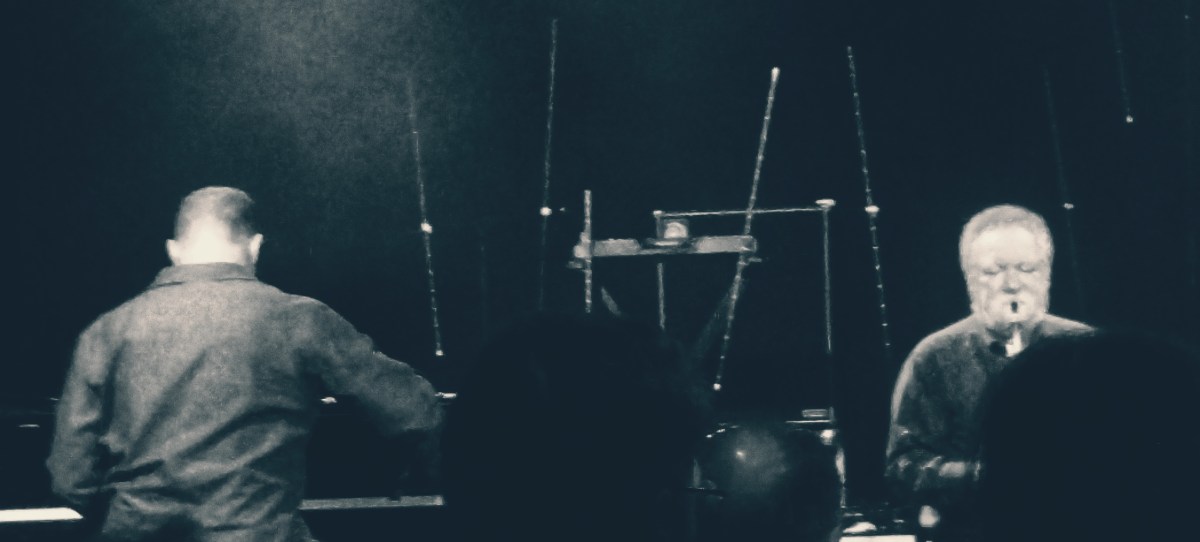
Rocket Science affirmed that Evan Parker still plays like he’s leaning off a cliff, unafraid. Craig Taborn is one of the great improvisers of his, or any generation – shifting his entire body language and attack to echo Parker’s fluttering high-register work; muting the piano strings directly; changing the flow of the group, the eye of the storm and its electricity. Petet Evans’ virtuosic trickster and Sam Pluto’s live electronics and real-time delays and looping set up and distorted frameworks and contexts.

Jenny Scheinman’s Mischief and Mayhem band was wall-to-wall fun and excitement. Her violin jousted with the guitar of her partner in deconstruction Nels Cline over thick, roiling grooves courtesy of Todd Sickafoose and Scott Amendola – a rhythm section born to play together. Great, sticky tunes, especially “A Ride With Polly Jean” and a new untitled number.

Mats Gustafsson was one of my gateway drugs to free jazz, by way of John Corbett’s writing and a first credit card I charged too much to Dusty Groove on. His power trio, The Thing, is the kind of physical force of nature even people who don’t like improvised music can’t deny. But even as much of a fan as I am, I was unprepared for the simultaneous widening of scope for inspiration and laser focus of approach they deployed here. Soulful, even sweet, without sacrificing any intensity or ferocity. This last set wrung me out and sent me into the shining night reeling.